


More news on this day
Holidaymakers planning city breaks in Lisbon or beach escapes in the Algarve this year are colliding with a rapidly shrinking pool of legal short-term rentals, as Portugal’s evolving housing policies reshape where and how visitors can stay.
Get the latest news straight to your inbox!
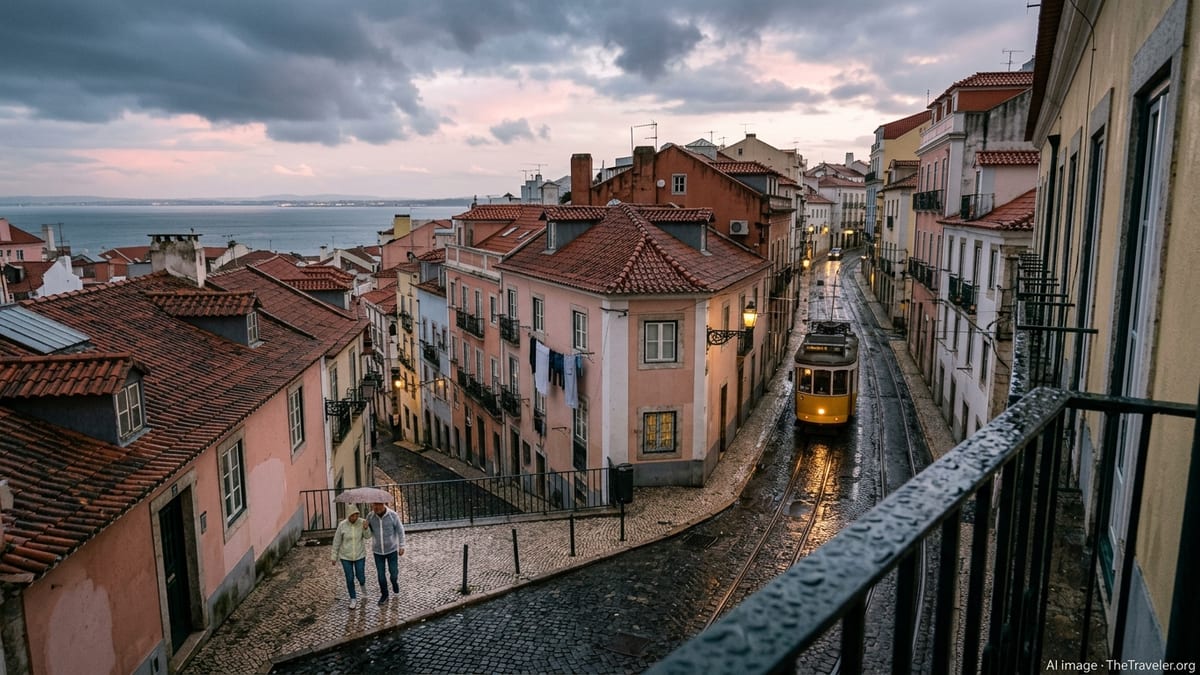
Rapid Permit Cancellations Reshape Portugal’s Holiday Market
Portugal’s short-term rental sector is undergoing one of its sharpest contractions in years, with publicly available data indicating that about 7,000 local accommodation permits have been withdrawn nationwide since December 2025. Recent industry analysis suggests this accounts for roughly 40 percent of registered short-stay licenses in some areas, sharply reducing the number of holiday apartments and houses legally available to tourists.
In Lisbon, municipal figures reported in local media show that nearly 6,800 inactive licences were cancelled in a recent compliance sweep, after owners failed to update mandatory insurance details and other documentation. This cleanup has cut the capital’s stock of registered Alojamento Local properties, eliminating many listings that had remained on the books but were no longer fully compliant.
Across Portugal, the overall number of active short-term rental registrations has fallen to around 119,000, down from significantly higher levels during the peak expansion years before the pandemic and the housing affordability crisis. Analysts note that the decline follows a period when tens of thousands of properties had been converted to tourist use, particularly in Lisbon, Porto and coastal hotspots.
The rapid change means that travellers who became accustomed to abundant apartment-style stays are beginning to encounter sold-out dates, longer minimum stays and rising nightly rates, especially during peak spring and summer periods.
Lisbon: Fewer Licences and Patchwork Rules by Neighbourhood
Lisbon remains Portugal’s most affected city, after years of intense tourism, rising rents and a series of overlapping legal reforms. Under the national Mais Habitação package introduced in 2023, new local accommodation registrations in many apartment buildings were suspended, and additional fees were introduced for existing licences in pressured zones. Subsequent legislation in late 2024 shifted much of the decision-making power back to municipalities, prompting the capital to refine its own rules.
By late 2025, Lisbon’s city council had adopted a more targeted framework for short-term rentals, focusing restrictions on areas with very high tourist pressure and dense concentrations of local accommodation. Local commentary describes a map of differentiated zones, where some historic and central districts remain tightly controlled for new registrations while more peripheral neighbourhoods are allowed limited growth.
For visitors, that patchwork means availability can vary sharply within a short distance. In historic quarters such as Alfama, Mouraria or Bairro Alto, many apartments that once appeared on booking platforms have disappeared as expired or non-compliant licences are removed and no new permits are issued to replace them. By contrast, districts slightly further from the centre may still offer a healthier mix of short-term stays, mid-term furnished rentals and traditional hotels.
Travellers heading to Lisbon are increasingly advised, in public-facing guidance, to book earlier than in previous years, to be flexible on neighbourhoods and to check that a listing carries a valid Alojamento Local registration number. Longer stays may be easier to secure on platforms that specialise in mid-term furnished housing rather than purely tourist-oriented portals.
Porto Tightens Tourist Stays in Historic Centre
Porto has also moved to curb the spread of short-term rentals in its most visited neighbourhoods. Since 2023, the city has operated a Municipal Regulation for the Sustainable Growth of Short-Term Rentals, defining specific “containment zones” in parts of the historic centre where new licences face strict caps. Guidance from local market operators highlights districts such as Vitória, Sé, São Nicolau, Santo Ildefonso and Miragaia as areas where licence density is closely monitored.
Reports from property managers indicate that these rules, combined with the national housing programme, have pushed some owners to shift apartments from daily or weekly tourist lets into longer leases for residents or multi-month furnished rentals. The result is a narrowing pool of classic holiday apartments in the medieval core around the cathedral and the riverfront, where demand from international visitors remains strong.
Visitors planning to stay near Ribeira or the Dom Luís I Bridge increasingly encounter higher minimum stays, stricter house rules and, at times, a pivot towards 28-night or longer reservations that fall closer to mid-term housing than traditional holiday rentals. Some travellers are turning instead to hotels and licensed guesthouses, which are less affected by the municipal caps.
At the same time, neighbourhoods outside the most restrictive zones, including parts of Boavista and Campanhã, are seeing more interest from visitors willing to trade a central address for better availability and prices. For extended city breaks or digital nomad stays, these districts can provide a useful compromise between residential atmosphere and tourist access.
Algarve: New Regional Rules and Rising Tourist Taxes
In the Algarve, Portugal’s flagship beach destination, the picture is more complex. Rather than broad suspensions, the region has been subject to updated national rules for local accommodation that took effect in November 2024, followed by further clarifications in late 2024 and 2025. Legal briefings on the changes explain that the aim is to rebalance residential and tourist use while recognising that holiday lets remain central to the Algarve’s economy.
Several coastal municipalities in the region have introduced or expanded tourist taxes collected on overnight stays, including hotel rooms and licensed local accommodation. Local regulations in councils such as Lagoa and Loulé provide for per-person, per-night charges during part of the year, which are added to the final bill that guests pay on arrival. These fees are typically modest but further contribute to higher overall costs compared with pre-reform years.
Property-focused advisories note that, in high-demand Algarve resorts, obtaining or transferring an Alojamento Local licence now requires closer scrutiny of building rules, safety standards and zoning. In some condominium complexes, owners have voted to limit or block new short-term lets, pushing more inventory into longer seasonal stays or private use only. This has led to a visible thinning of available holiday apartments in prime seafront areas during peak summer weeks.
For tourists, the practical effect is that classic self-catering apartments and villas near popular beaches are booking out earlier and at firmer prices, while more inventory is appearing slightly inland or in smaller towns. Travellers are encouraged by consumer-facing guides to budget for local tourist taxes, to verify that their chosen property is properly licensed and to expect more detailed rental contracts and house rules than in the past.
How Travellers Can Navigate Portugal’s New Short-Stay Landscape
As regulations tighten and licences fall, travellers to Lisbon, Porto and the Algarve are being pushed to rethink how they plan their stays. Publicly available advice from travel and property platforms increasingly stresses early planning for peak months, especially from late spring through early autumn, when both hotels and apartments see high occupancy.
One emerging trend is the growing role of mid-term rentals, typically lasting 28 days or more, which sit between traditional holiday lets and classic long-term leases. Tax and housing policies introduced since 2023 have created incentives for some owners to convert former tourist apartments into longer contracts, particularly in major cities. Visitors staying for several weeks, including remote workers and students, may find better availability and more favourable pricing in this category than in nightly stays.
Another shift is the renewed prominence of licensed hotels, aparthotels and guesthouses. With some of the most speculative short-term rental stock removed from the market, travellers are rediscovering traditional accommodation options, which remain subject to a more established regulatory framework. In many Portuguese cities, this is contributing to a rebalancing between professional hospitality providers and individual hosts.
Despite the turbulence, Portugal remains one of Europe’s most popular destinations, and the majority of visitors are still able to secure suitable accommodation with careful planning. Prospective guests are increasingly advised to check for a visible local accommodation registration number on listings, to pay attention to minimum-stay rules and to allow for higher nightly rates in central Lisbon, historic Porto and frontline Algarve resorts compared with the years before the current housing reforms.