


More news on this day
Unusually fierce Mediterranean storms have left parts of Tunisia’s coast and Italy’s elite Costa Smeralda counting the cost of damaged infrastructure, disrupted cruises and a clouded outlook for the coming tourist season.
Get the latest news straight to your inbox!
Record Rains Swamp Tunisian Resorts and Ports
In January 2026, Tunisia endured its heaviest rainfall in more than 70 years, triggering severe flooding across several northern and eastern governorates that anchor the country’s seaside tourism economy. Publicly available information shows that more than 200 millimetres of rain fell in just a few days, inundating low-lying coastal districts, roads and port-adjacent neighbourhoods vital for tour buses and cruise excursions.
Reports indicate that storm surges and strong winds compounded the impact along popular stretches of shoreline, with images of submerged promenades and hotel access roads circulating widely in regional media. The disruption coincided with ongoing efforts to expand Tunisia’s visitor numbers after several rebound seasons, raising concerns among local operators about reputational damage just as international bookings for spring and summer were building.
According to data cited in recent climate and development assessments, Tunisia’s coastal tourism hubs were already flagged as highly exposed to floods, coastal erosion and marine submersion risks. The January deluge reinforced those warnings, leaving municipal authorities and tourism businesses facing large repair bills for drainage systems, seawalls and beachfront amenities that are crucial to maintaining visitor confidence.
In major gateway cities and resort islands, from the Gulf of Tunis to Djerba, publicly available information shows that some beach facilities, secondary roads and small businesses remained partially closed or operating with temporary fixes well into March, narrowing the window for full recovery before peak arrivals from Europe later in the year.
Costa Smeralda’s Glamorous Coastline Hit by Successive Storms
On the northern coast of Sardinia, the upmarket Costa Smeralda has been grappling with its own series of bruising winter weather events. In January 2026, a violent storm system linked to the broader European windstorm season lashed the island with torrential rain, powerful winds and waves reported at up to 9 or 10 metres along exposed stretches of shoreline. National and regional outlets describe flooded waterfronts, damaged seaside roads and precautionary school closures in affected municipalities.
Earlier, in late 2025, local coverage documented a “wave of bad weather” that left parts of Sardinia “under water,” including areas around Olbia and other key gateways to the Costa Smeralda, with flooded streets and transport disruptions. These repeated batterings have intensified long-standing debates about how to protect an area that depends heavily on its reputation for pristine beaches, reliable summer sunshine and high-end yachting and resort tourism.
Recent Italian risk assessments cited in national media indicate that landslides and floods in Sardinia have increased sharply over the last few years, with tens of thousands of residents now living in areas classified as at risk of flooding. For tourism operators, that translates into growing uncertainty about access roads, marinas and low-lying commercial areas whenever major storms move through the Tyrrhenian Sea during the increasingly volatile shoulder seasons.
While peak summer months still deliver large visitor numbers, travel trade commentary suggests that images of submerged coastal roads and battered promenades are beginning to influence shoulder-season bookings, as tour planners and event organizers reconsider dates and insurance requirements for high-profile gatherings along the Costa Smeralda.
Cruise Itineraries Diverted as Ports Struggle with Weather
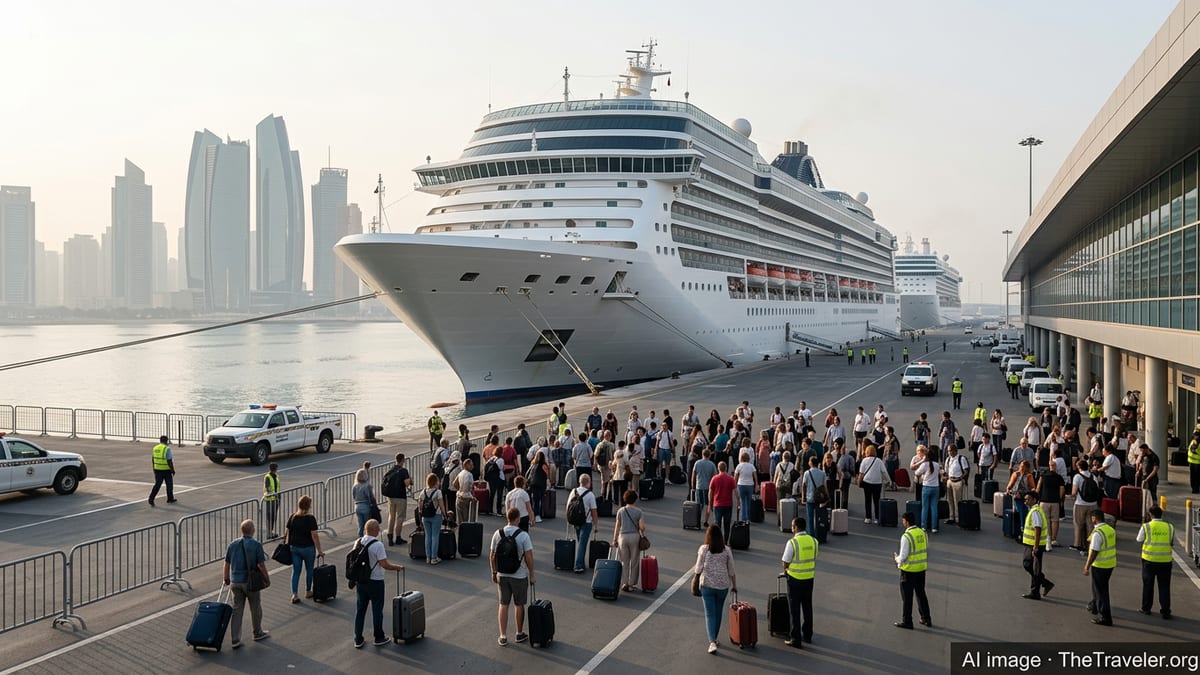
The cruise segment, a key pillar for both Tunisia and Sardinia, has also felt the immediate effects of the unsettled Mediterranean weather. In early March 2026, cruise industry coverage reported that the mega-ship Costa Smeralda had to cancel a scheduled call at La Goulette, the main cruise port for Tunis, after strong winds made docking unsafe. The ship was rerouted to an alternative port, with shore excursions hastily reconfigured.
More recently, specialist cruise media have highlighted additional itinerary adjustments involving Costa Smeralda and other vessels sailing Western Mediterranean circuits, as forecasts pointed to shifting winds, persistent rain and stormy conditions along Tunisia’s northern coast. While substitutions and timing changes are routine in the industry, the frequency of weather-related disruptions this winter has sharpened questions about resilience at some ports.
In Sardinia, ferry and smaller cruise operations serving Costa Smeralda marinas have faced recurrent short-term suspensions as waves overtopped quays and made fast turnarounds risky. Local news reports from January describe waterfront businesses hastily installing temporary barriers and pumping out water from ground floors after storm surges pushed inland.
Travel analysts note that even when ships and ferries can safely resume service within a day or two, repeated cancellations undermine confidence among both operators and passengers, particularly on itineraries marketed as effortless escapes to Mediterranean “blue sky” destinations.
Climate Signals Undercut Long-Term Coastal Tourism Hopes
Behind the immediate damage, the storms hitting Tunisia and Costa Smeralda are being viewed as part of a wider pattern of climate stress on Mediterranean coasts. Scientific and policy documents focusing on North Africa’s shorelines indicate that a combination of sea-level rise, more intense storm surges and altered rainfall patterns could inflict mounting losses on beach-based tourism and coastal infrastructure over the coming decades.
For Tunisia, regional climate adaptation studies referenced in recent public reports estimate that beach erosion and more frequent flooding could shave several percentage points off annual tourism revenue if no additional protective measures are taken. The January 2026 floods have therefore accelerated plans for urban flood protection projects, including strengthened drainage, coastal defenses and early-warning systems in major tourist municipalities.
In Sardinia, environmental groups and local experts quoted in national coverage argue that the island’s increased exposure to landslides, flash floods and marine storms demands a rethink of coastal development, particularly in heavily built-up resort zones. Discussions are under way over stricter building codes, set-back rules for new hotels and the reinforcement of roads and utilities that hug the shoreline.
Across both destinations, the latest storm season has underscored a difficult balancing act: safeguarding coastal communities and critical tourism assets while still marketing these shores as carefree escapes. For now, publicly available booking data and industry commentary suggest that demand for summer 2026 remains resilient, but the recent scenes of flooded boulevards and diverted cruise ships are a stark reminder that the Mediterranean’s traditional weather patterns can no longer be taken for granted.