


More news on this day
Powerful winds have swept across Calgary overnight into Saturday, November 7, 2026, with gusts near 100 kilometres per hour prompting a yellow wind warning and fresh travel cautions for those moving in and around the city.
Get the latest news straight to your inbox!
Wind Warning Covers Calgary As Gusts Approach 100 km/h
Publicly available information from Environment and Climate Change Canada shows a yellow wind warning in effect for the City of Calgary from the evening of Friday, November 6 through the early hours of Saturday, November 7. Forecast gusts between 90 and 100 kilometres per hour were expected to peak overnight before easing during the morning hours.
The advisory highlights the risk of damage to roofs, fences, trees and temporary structures, and warns that unsecured outdoor items can easily become airborne in such conditions. Localized utility interruptions are also considered possible when winds reach these speeds, particularly when combined with dry ground and late autumn foliage that can increase the risk of falling branches.
Current hourly data for Calgary on Saturday indicates that the most intense gusts are likely to diminish by midmorning, with sustained winds dropping below warning criteria later in the day. Forecast models point to a transition toward lighter southerly winds and above-seasonal temperatures into the afternoon, even as cleanup begins in parts of the city.
Regional alert platforms summarizing official bulletins list one active yellow wind warning for Calgary overnight, noting expected gusts up to 100 kilometres per hour and advising residents to secure loose objects and monitor updated forecasts until the alert expires early Saturday.
Travel Advisory Issued For Roads In And Out Of Calgary
With the strongest winds coinciding with the Friday evening and early Saturday travel period, several traveler information services in Alberta have flagged potential hazards on major highways leading into Calgary. Provincial road alert portals reference strong west winds with gusts to around 90 kilometres per hour, cautioning that high-sided vehicles may be pushed off course and that open stretches of highway could see sudden crosswinds.
In these conditions, drivers of transport trucks, recreational vehicles and vehicles towing trailers face the greatest risk, particularly along exposed sections of the Queen Elizabeth II Highway, Highway 1 and routes toward the Foothills and Kananaskis region. Travel planners recommend reducing speed, increasing following distance and, where possible, delaying nonessential trips until winds subside later in the morning.
Within the city, elevated interchanges, bridges and north–south corridors aligned with the prevailing wind are vulnerable to abrupt gusts that can catch drivers off guard. Motorists are being urged via local traffic reports and online advisory pages to keep both hands on the wheel, watch for debris and be prepared for lane shifts or temporary closures if fallen branches or minor infrastructure damage is reported.
Public transit operators and ride services may experience minor delays if traffic slows or if detours are introduced to avoid wind-related obstructions. Travelers heading to time-sensitive events or connections are encouraged to allow extra time and check real-time traffic dashboards before departure.
Impacts On Air Travel And Airport Operations
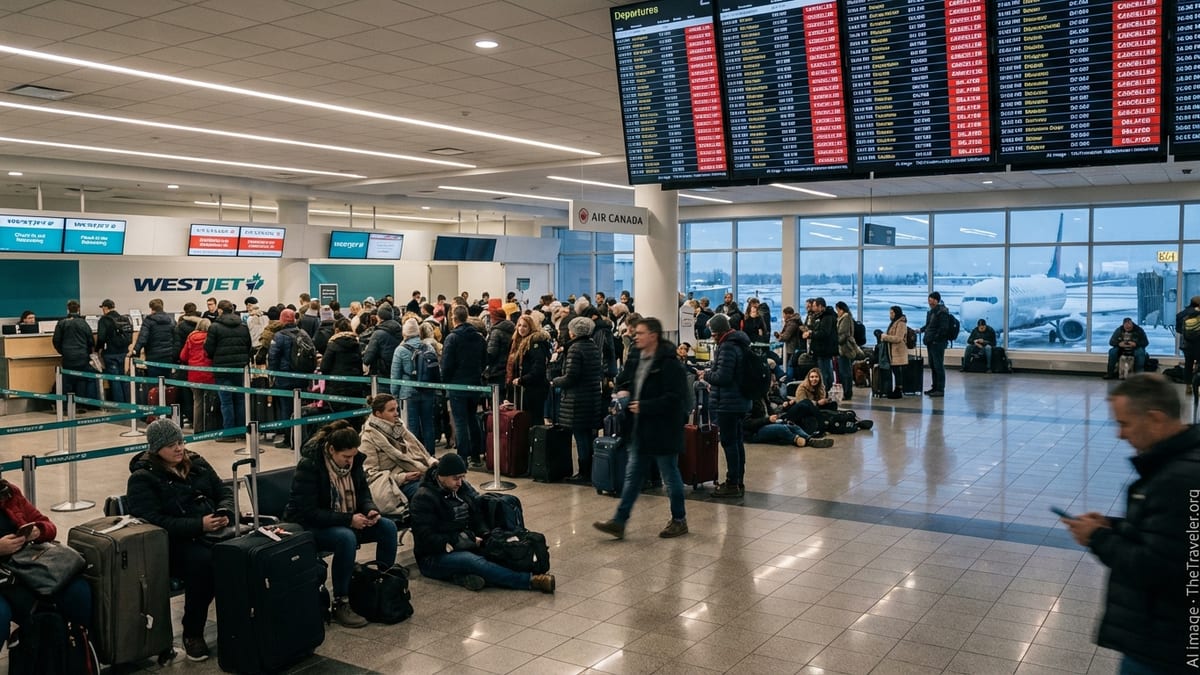
The strong wind pattern is also influencing operations at Calgary International Airport, a key hub for domestic and transborder flights. When gusts approach 80 to 100 kilometres per hour, pilots and air traffic controllers can face challenging crosswind components on takeoff and landing, which can result in temporary runway configuration changes, holding patterns or schedule adjustments.
While no widespread cancellations have been reported in early public updates, airlines frequently implement minor delays in similar wind events to maintain safety margins, adjust aircraft assignments or manage ground handling procedures. High winds can slow baggage loading, refuelling and catering operations, and may temporarily restrict the use of some ground equipment on exposed aprons.
Travelers departing Calgary on Saturday are being advised, in airline and airport communications, to check their flight status before leaving for the airport and to anticipate the possibility of longer taxi times on the airfield if traffic is rerouted to better-aligned runways. Those connecting through Calgary later in the day may experience knock-on delays from overnight and early-morning disruptions in the region.
Despite the challenging conditions, aviation forecasts indicate that as the core of the strongest winds moves away and speeds ease through the morning, crosswind concerns should lessen, allowing airport operations to gradually normalize by later in the day.
Warm, Windy Pattern Elevates Wildfire And Infrastructure Concerns
The wind event comes on the heels of a fire advisory for the broader Calgary Forest Area, issued due to unseasonably warm, dry and windy conditions. Provincial forestry updates note that several days of above-average temperatures and limited precipitation have left fine fuels dry, meaning strong winds can rapidly spread any new fire starts and complicate suppression efforts.
Even within the urban area, the combination of dry grasses in open spaces, wind-driven sparks from outdoor equipment and the presence of backyard fire pits can contribute to elevated wildfire risk at the edges of the city. Residents in outlying communities and acreage developments are being reminded in public guidance to follow any local fire-use restrictions, fully extinguish campfires and avoid outdoor burning while advisories remain in place.
The high winds also test local infrastructure resilience. Municipal planning documents for Calgary highlight that severe wind events are often associated with intense low-pressure systems, frontal passages and chinook conditions, which can affect building envelopes, fencing and older trees. Homeowners are encouraged to inspect roofs, secure shingles and trim weakened branches in advance of storm seasons to reduce the likelihood of damage during peak gusts.
Utility operators across Alberta routinely prepare for these events by staging crews and monitoring outage reports, but strong, localized gusts can still trigger short-duration power interruptions, particularly where trees overhang lines. Residents are advised in consumer-focused safety materials to keep mobile devices charged, maintain flashlights and have a small emergency kit on hand whenever high-wind alerts are active.
Practical Advice For Visitors And Residents In Calgary
For travelers currently in Calgary, the wind warning coincides with otherwise favorable mid-autumn weather, with daytime highs near the low to mid-teens Celsius and largely dry conditions forecast through the weekend. This means that, outside of the strongest gust periods, many outdoor activities remain accessible, provided visitors take added precautions around exposed viewpoints, riverside pathways and high pedestrian bridges.
Those planning day trips to nearby mountain gateways such as Canmore or Banff should review highway forecasts and live road cameras before setting out, as crosswinds in open valleys and at higher elevations can be stronger than within the city. Travel planning services in Alberta emphasize the importance of full fuel tanks, winter-ready tires and flexible itineraries when strong wind bulletins are in force.
Pedestrians and cyclists in Calgary are encouraged to be cautious near construction sites, older trees and high-rise corridors where wind can be funneled between buildings. Helmets, secured backpacks and avoiding the use of umbrellas in intense gusts can reduce the risk of incidents. Dog walkers and families with strollers may also find conditions challenging along exposed ridge pathways during peak wind times.
Hotels and short-term rentals across the city continue to operate normally, and major attractions remain open, but front desks and visitor information points are directing guests toward sheltered urban activities during the windiest hours, such as museums, galleries and indoor markets. As winds relax later on Saturday and into Sunday, Calgary’s extensive pathway network and parks are expected to become more comfortable again for outdoor exploration.