


More news on this day
PSA-operated American Airlines services at Myrtle Beach International Airport are facing suspensions and extensive delays, unsettling travel plans across a string of major U.S. hubs during an already fragile spring travel period.
Get the latest news straight to your inbox!
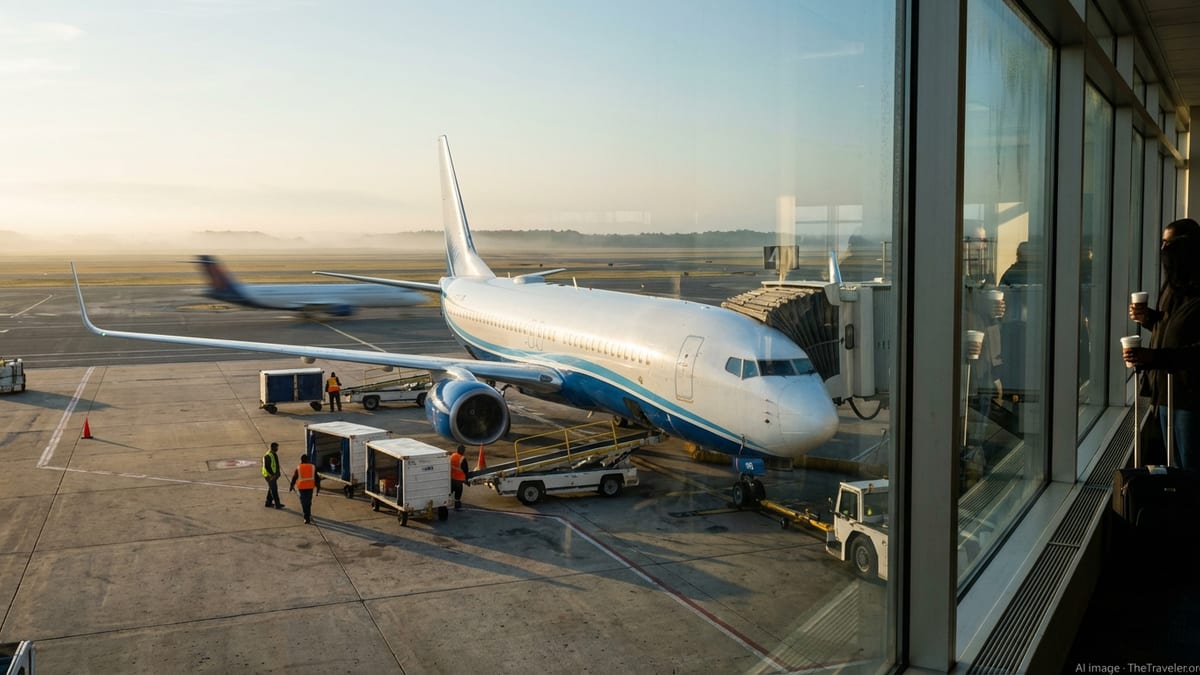
Three PSA-Operated Flights Suspended at Myrtle Beach
Publicly available schedule and tracking data indicate that three PSA Airlines flights operated for American Airlines out of Myrtle Beach International Airport have been suspended from regular service, with additional departures experiencing rolling delays. The affected services are part of the American Eagle regional network that connects Myrtle Beach to key hubs including Charlotte, Philadelphia and Washington.
The suspended flights appear in timetables as previously scheduled links between Myrtle Beach and American’s larger connecting airports, but no longer show active departure slots in current-day listings. These gaps in the schedule come alongside a pattern of delayed departures on remaining routes, particularly services to Washington National and other East Coast gateways.
Operational records for individual flights in recent days show PSA-operated services between Washington and Myrtle Beach departing significantly behind schedule, in some cases more than two hours later than originally planned. While some flights ultimately operate, the loss of three regularly scheduled frequencies reduces the overall resilience of the route network at Myrtle Beach just as the airport moves into its peak late-spring and early-summer travel window.
Knock-On Disruptions From Charlotte to New York and Philadelphia
The suspensions and delays at Myrtle Beach are having an outsized impact because PSA Airlines is closely tied to American’s major East Coast hubs. Corporate information and route maps show PSA concentrating its operations around Charlotte, Dallas Fort Worth, Philadelphia and Washington National, giving the regional carrier a central role in feeding passengers into and out of those airports.
When a Myrtle Beach flight operated by PSA is removed from the schedule or significantly delayed, the effects extend beyond South Carolina. Passengers bound for New York City, Philadelphia, Washington, Pittsburgh and other destinations often rely on a first leg into Charlotte or Washington before continuing on connecting flights. With fewer departure options and irregular operations on remaining services, travelers are more likely to misconnect or face rebookings onto later flights.
Recent national disruption data compiled by aviation tracking services and summarized in published coverage show American Airlines and its regional partners, including PSA, among the carriers experiencing elevated levels of delays and cancellations this spring. In that wider context, the issues at Myrtle Beach add another pressure point for travelers attempting to navigate already crowded hubs in Charlotte and the Northeast corridor.
Myrtle Beach Capacity Strained During Peak Season
Myrtle Beach International has grown rapidly over the past several years, transforming from a predominantly leisure-focused regional airport into a busier coastal gateway served by legacy carriers, low-cost airlines and a range of seasonal routes. Tourism marketing agencies highlight that the airport now offers nonstop or connecting access to dozens of cities, with American Airlines and its partners providing critical links to major hubs.
Analyses of spring travel patterns at Myrtle Beach published by travel and aviation outlets indicate that March through May represent some of the most active months for departures. During these periods, even a small number of cancellations or lengthy delays can create crowding in the terminal, longer security lines and pressure on ground operations. When regional jets are pulled from the schedule or delayed due to maintenance, crew availability or upstream weather, other flights can quickly be affected.
This spring’s disruptions are unfolding alongside broader uncertainty in the U.S. airline industry, including route adjustments tied to changing demand and the financial struggles of some low-cost carriers. For Myrtle Beach, the combination of stronger passenger volumes and reduced slack in the schedule means that interruptions on PSA-operated American services have a greater chance of spilling over into the wider network.
Travelers Face Missed Connections and Limited Alternatives
For passengers departing from or arriving in Myrtle Beach, the suspension of three PSA-operated flights and the cascade of delays on remaining services translate into practical challenges. With fewer direct options into Charlotte, Philadelphia and Washington, travelers aiming for onward connections to cities such as New York and Pittsburgh may find themselves facing tighter transfer windows or overnight stays at hub airports.
Reports from recent travel days across the United States describe passengers waiting through multiple rolling delay updates on American and PSA regional flights before ultimately departing or being rebooked. In some cases, travelers report that earlier cancellations in the week leave limited spare capacity on subsequent days, making it more difficult to secure same-day alternatives when a flight from Myrtle Beach is disrupted.
Consumer advocates note in public guidance that compensation and assistance policies vary depending on the cause of a delay, and that regional operations often have fewer backup aircraft and crews available at smaller airports. When several flights in a short period are delayed or suspended, passengers can quickly exhaust options on the same carrier and may need to consider other airlines or nearby airports to complete their journeys.
What Passengers Can Do Ahead of Summer Travel
With Myrtle Beach International moving into its peak summer schedule and PSA-operated American flights already showing signs of strain, travelers are being urged in publicly available advisories and travel columns to build more flexibility into their plans. Recommendations commonly include booking earlier departures in the day, avoiding tight connections at major hubs when possible and monitoring flight status closely through airline apps or airport information displays.
Some travel experts also suggest that passengers departing Myrtle Beach for critical events consider routing through hubs with multiple daily frequencies to their final destination, even if that means slightly longer itineraries. In situations where three flights have been suspended and others are experiencing frequent delays, a route with additional backup options can reduce the risk of becoming stranded.
As the busy summer season approaches, the situation at Myrtle Beach illustrates how quickly a regional disruption can ripple across the national network when a key feeder carrier adjusts schedules or struggles with reliability. For travelers headed to or from the Grand Strand, a bit of extra planning may be the best defense against a missed connection in Charlotte, a late arrival into Philadelphia or an unplanned night at a Northeast hub hotel.