

More news on this day
Australia has moved Qatar into its Level 3 “Reconsider your need to travel” category for the Middle East, a change that carries significant implications for Australians planning holidays, business trips and transit connections through Doha.
Get the latest news straight to your inbox!
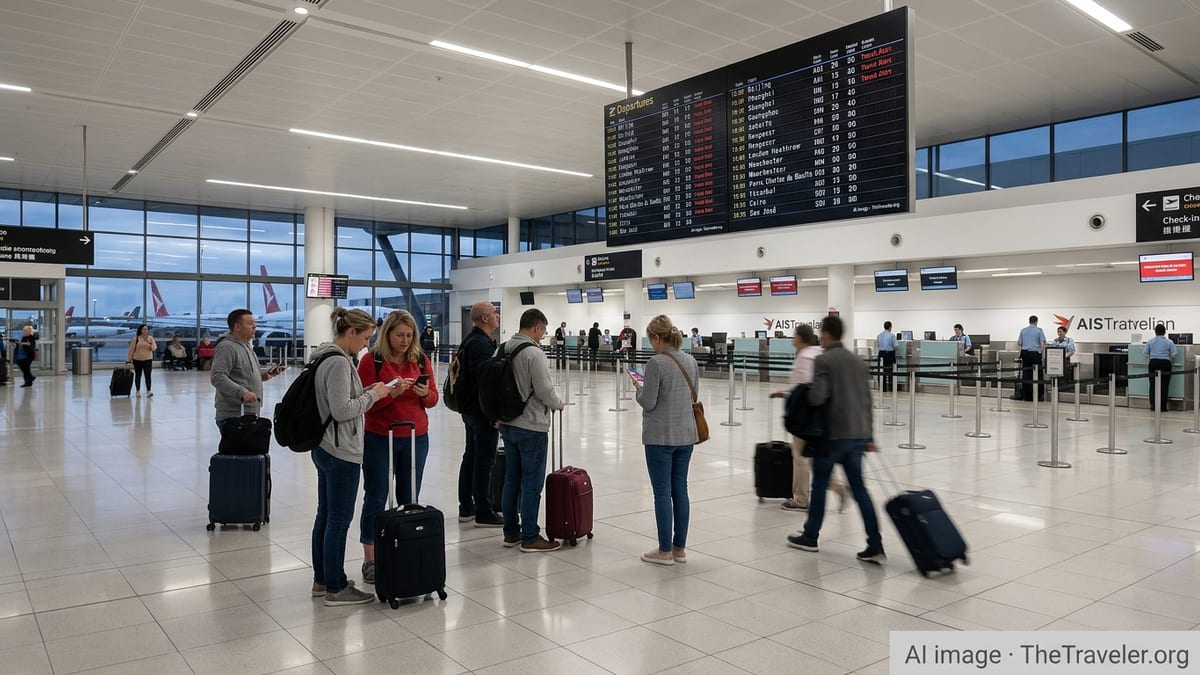
New Advisory Reflects Evolving Middle East Risk
According to updated guidance from Australia’s Smartraveller service, Qatar is now listed among a group of Middle Eastern destinations at Level 3, where travelers are urged to reconsider their need to travel, including for transit. The shift aligns Qatar with Bahrain, Israel, Kuwait and the United Arab Emirates, which are assessed as facing a volatile security environment and the potential for sudden escalation.
The broader regional advisory highlights the impact of ongoing military tensions in the Middle East on global aviation. Publicly available information from the Australian Government describes a situation in which airspace closures, changes to flight paths and rapid alterations to commercial schedules remain possible with limited warning. Even travelers whose final destination lies outside the region are being told their plans may be disrupted by developments centered on the Gulf and surrounding areas.
Australia’s travel warning framework uses four tiers, with Level 3 representing a high threshold where non-essential travel should generally be postponed. While the updated advice stops short of the most severe Level 4 “Do not travel” designation that still applies to several conflict-affected states, it underscores that the risk profile for Qatar is no longer considered comparable to lower-risk transit hubs.
The decision to add Qatar to the Level 3 list comes in a period of continuing uncertainty over the trajectory of regional tensions. Public statements from Australian authorities emphasize that conditions could deteriorate rapidly, and that advisories are subject to ongoing review as the situation evolves.
Impact on Flights, Transit Plans and Insurance
The inclusion of Qatar in Australia’s Level 3 Middle East travel warning is expected to affect a wide range of itineraries, particularly those relying on Doha as a connecting hub between Australia, Europe, Africa and Asia. Smartraveller’s regional guidance urges travelers to avoid non-essential travel to Level 3 destinations, including transits, and to discuss alternative routings with airlines or travel agents where possible.
Travelers may face a mix of schedule changes, re-routings and potential cancellations as airlines respond to shifting risk assessments, airspace restrictions and demand patterns. Industry commentary over recent months has highlighted how carriers operating in and out of the Gulf have already adjusted some services, with longer routings and altered flight times not uncommon across the wider region.
Insurance considerations are a key factor for Australians weighing whether to proceed with trips that involve Qatar. Many travel insurance policies contain clauses linked to official government advisories, and coverage for trip cancellations, delays or medical emergencies can change once a destination is classified at a higher risk level. Publicly available consumer guidance recommends checking policy wording carefully and confirming with insurers whether travel to or through a Level 3 country remains fully covered.
The advisory also encourages travelers to maintain close contact with airlines and booking platforms in the lead-up to departure. Because airspace closures and security incidents can trigger rapid operational decisions, passengers are being advised to monitor flight status frequently and be prepared for last-minute timetable changes or rerouting through alternative hubs outside the Middle East.
What the Level 3 Warning Means for Different Types of Travelers
Australia’s travel advice system is designed to be read alongside additional guidance tailored to different categories of traveler. Smartraveller material notes that factors such as age, gender, occupation, disability status or sexual orientation may influence individual risk profiles, particularly in destinations where local laws and social norms differ significantly from those in Australia.
For business travelers and frequent flyers who have long relied on Doha as a convenient transit point, the new Level 3 categorization may require more detailed risk planning. Companies with staff regularly transiting through the Middle East are being encouraged, through publicly available corporate security and insurance briefings, to reassess routing policies, review duty-of-care obligations and ensure that emergency response plans reflect the updated advisories.
Leisure travelers, including families and solo holidaymakers, may be more likely to pivot to alternative hubs in Asia or Europe if their itineraries are flexible and cost differences remain manageable. Online travel forums and consumer reporting in recent months show a growing tendency for some travelers to weigh longer flight times and higher fares against perceived safety and insurance certainty when choosing routes involving the Middle East.
Travelers with particular vulnerabilities, including those with medical needs or limited mobility, may find the additional uncertainty around potential disruptions especially challenging. Public health and consular guidance suggests such travelers consider whether essential support, medications and mobility assistance could be maintained in the event of extended delays in a Level 3 transit location.
Middle East Risk Landscape Remains Fluid
The change in advice for Qatar forms part of a broader recalibration of Australia’s Middle East travel warnings in mid-2026. Official statements indicate that while the overall risk remains elevated, assessments differ by country, with some locations still subject to Level 4 “Do not travel” instructions due to direct conflict, targeted attacks or severe instability.
Global coverage of the regional situation stresses that the impact is not confined to travelers heading directly into conflict zones. Military activity and political tensions can have knock-on effects on aviation corridors, fuel availability, airline scheduling and airport operations across a much wider footprint, including states whose domestic environments remain relatively stable.
Security analysts and travel risk consultancies have pointed to the potential for miscalculation, proxy escalation or isolated incidents to produce rapid shifts in risk for air traffic. As a result, routings that are considered acceptable at one point in time may be reassessed weeks later, depending on developments both within the region and in the broader geopolitical environment.
Australia’s travel advisory updates sit alongside similar cautionary guidance from other governments, which have maintained elevated alert levels across much of the Middle East. The cumulative effect is a travel landscape in which long-haul passengers must pay closer attention to transit points, not just final destinations, when making bookings for the months ahead.
Practical Steps for Australians With Qatar Itineraries
Australians who already hold tickets involving Qatar are being encouraged through publicly available guidance to review their plans in light of the Level 3 warning. The first step recommended by many consumer and travel advisory resources is to read the detailed country advice for Qatar and any other Middle Eastern transit points, then cross-check that information with airline policies and insurance coverage.
Those with non-essential trips may opt to defer or reroute, especially if airlines provide flexible change or credit options. For travelers who consider their journeys essential, risk mitigation measures can include limiting time spent landside during transits, avoiding unnecessary excursions away from airport areas, and maintaining regular contact with family or colleagues at home.
Publicly accessible safety advice suggests that all travelers passing through the region should monitor reputable international news outlets for developments, keep digital copies of key documents and maintain awareness of airport security procedures. Travelers are also encouraged to register for official travel updates appropriate to their nationality, so that significant changes to advice levels or security conditions are communicated promptly.
With Qatar’s shift into Australia’s Level 3 advisory tier, the message for travelers is one of heightened caution and careful planning. While flights through Doha and other Gulf hubs continue to operate, the risk environment is considered elevated enough that Australians are being asked to take additional steps to understand, and where possible reduce, their exposure before embarking.