

More news on this day
EasyJet is warning passengers heading to Palma de Mallorca that new EU Entry/Exit System checks are causing long queues at border control, with travellers urged to arrive much earlier than usual at the popular Spanish holiday gateway.
Get the latest news straight to your inbox!
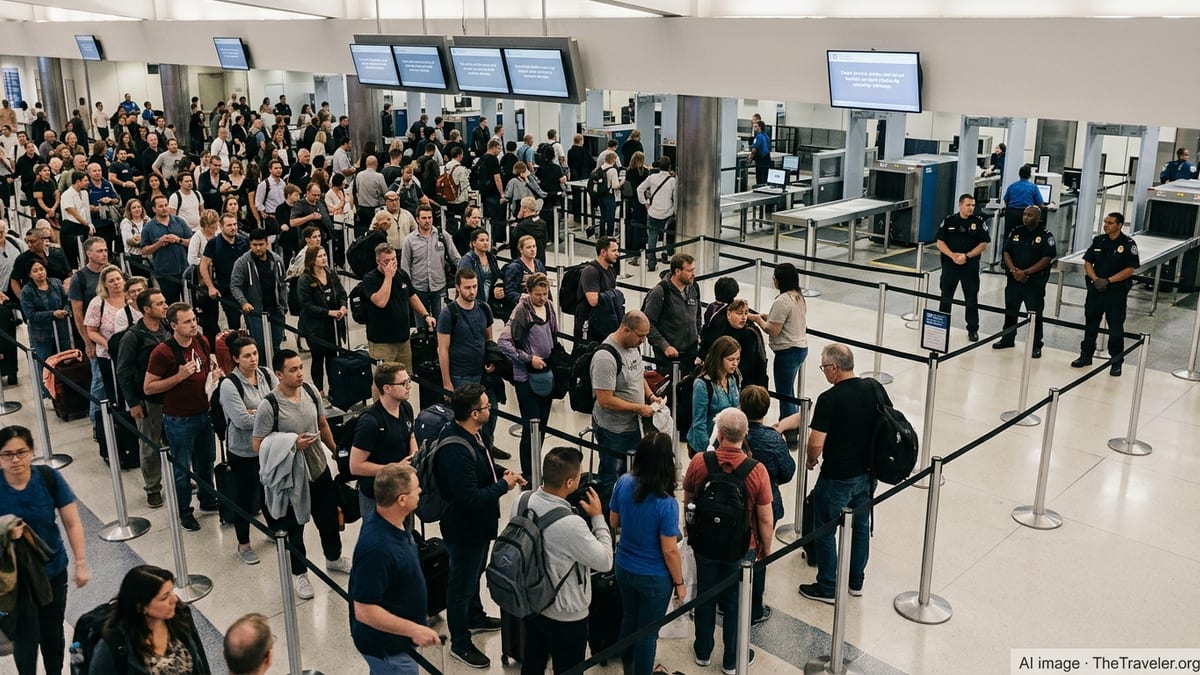
New EU border system strains a key Spanish holiday hub
The European Union’s Entry/Exit System, fully activated across the Schengen area in April 2026, records fingerprints, facial images and passport details for non-EU visitors in a central database instead of stamping passports. Reports indicate that the extra biometric steps have significantly lengthened the time it takes many British travellers to clear border control at peak periods.
Palma de Mallorca Airport, one of Europe’s busiest leisure airports, has quickly emerged as a pressure point. Industry coverage notes that UK visitors represent more than a quarter of international arrivals to Mallorca, concentrating large volumes of third-country nationals into the new system at the very start of the summer season.
Local airport operator measures, including additional biometric kiosks and new routing for non-EU arrivals, have been introduced to ease congestion. However, testimony from recent travellers and consumer organisations suggests that queues can still stretch from one to three hours when several UK and other non-EU flights land close together.
Travel analysts say the first full season of EES operation is coinciding with strong demand for Mediterranean beach destinations, increasing the risk that even modest processing delays translate into missed transfers, tight hotel check-in windows and rising frustration at airports such as Palma.
EasyJet urges passengers to allow more time
Against this backdrop, EasyJet has issued what it describes as an important warning to customers flying to and from Palma. According to publicly available information and passenger communications shared online, the airline is asking travellers to build in extra time at the airport in anticipation of slower border checks under EES.
The carrier’s guidance highlights both arrival and departure bottlenecks. On inbound journeys to Mallorca, non-EU passengers may need to enrol their biometric data for the first time, which typically involves using a kiosk and then seeing a border guard, rather than proceeding directly to a manned desk. On the way home, queues can form again at exit controls as officials verify previous registrations and match them with the travel document.
Recent coverage from aviation and consumer outlets indicates that EasyJet has raised concerns about what it views as unacceptable delays for holidaymakers at some European airports affected by EES. The airline has publicly called for greater flexibility in how the system is managed during peak travel periods, including the May half-term and upcoming main school holidays.
In separate reporting, EasyJet executives have urged European governments to consider temporary adjustments or targeted suspensions of the new regime during the busiest weeks, arguing that otherwise passengers risk missing flights through no fault of their own. The situation at Palma is being closely watched, given the airport’s importance to the UK package holiday market.
What travellers are experiencing at Palma
Accounts from recent visitors to Mallorca, shared across travel forums and consumer sites, describe a mixed picture at Palma Airport. Some passengers report clearing the new checks in under half an hour during quieter periods, while others describe lengthy queues snaking through the arrivals hall when multiple flights land in quick succession.
Travel writers who passed through Palma soon after full implementation of EES reported that long lines formed even before kiosks and additional UK-focused lanes were fully bedded in. In some cases, airport staff were observed manually pulling forward travellers whose boarding passes showed final calls, though reports suggest these passengers could still face further waiting once redirected.
Industry commentary notes that Palma’s size and layout can add to the perception of congestion. Long walks from the gate to passport control, followed by waits at kiosks and inspection booths, have led some travellers to underestimate how much time they need before collecting luggage or making onward connections by bus, taxi or ferry.
More recent anecdotal reports indicate that new UK-only lanes and extra biometric kiosks have helped reduce the worst delays at certain times of day. However, passenger feedback from late May and early June still refers to morning and late-morning peaks when non-EU queues swell rapidly, especially on days with dense schedules of flights from British airports.
Entry/Exit System: why queues are building
The core aim of the Entry/Exit System is to enhance security and track overstays by replacing physical passport stamps with a digital record of each border crossing. For non-EU nationals, including UK citizens post-Brexit, the system records biometric identifiers during the first journey after rollout, and reuses these records on later trips.
Border technology specialists point out that, in the long term, the system is intended to save time and standardise checks across all Schengen states. In the short term, however, the combination of new hardware, software familiarisation and staffing constraints has produced a challenging transition at several airports popular with British visitors, including Palma.
Reports from aviation bodies and airlines highlight several recurring issues. At busy times, the number of working kiosks can be too low for the volume of passengers, particularly when travellers are unfamiliar with the process. Separate flows for EU, Schengen and third-country nationals must be carefully balanced, and any technical outage at kiosks or back-end systems can quickly cascade into extensive queues.
Industry groups have urged authorities to use detailed flight schedules to align staffing and kiosk capacity with known peaks. They argue that, because holiday flights operate in concentrated waves, even short living delays in opening extra positions can result in non-EU lines lengthening dramatically within minutes.
Practical advice for UK holidaymakers bound for Mallorca
Travel organisations, airlines and airport guidance converge on a few key recommendations for British passengers heading to Palma while EES beds in. First, travellers are widely advised to arrive earlier than they might have done in previous years. For departures from Palma, that may mean following EasyJet’s call to be at the airport well in advance of check-in closing times, especially for morning and late-morning flights.
Second, passengers are encouraged to have passports, boarding passes and any required documents ready as they approach the EES kiosks and border booths. Parents and group leaders may find it helpful to review the biometric steps with companions before joining the queue, to minimise confusion when it is their turn at the machine.
Third, returning visitors who have already completed their biometric enrolment are being told to use the same passport they originally registered. According to information from travel-rights organisations, consistent use of the same document should facilitate faster processing on subsequent trips by matching travellers to their existing EES profile.
Finally, travellers with tight onward timings from Palma, such as weddings, cruises or last-bus connections, are being advised by tour operators and consumer advocates to plan conservatively. That can mean booking earlier arrival flights where possible, allowing contingency time both at the border and for the large distances inside the terminal. With EasyJet’s warning underlining the risk of delays, UK holidaymakers are being urged to treat EES processing time as an integral part of their journey planning for the 2026 peak season.