


More news on this day
Emergency crews were dispatched to a railway crossing west of Portage on Tuesday after a reported incident involving a train and a vehicle, prompting localized travel disruption and renewed scrutiny of safety at busy rail intersections.
Get the latest news straight to your inbox!
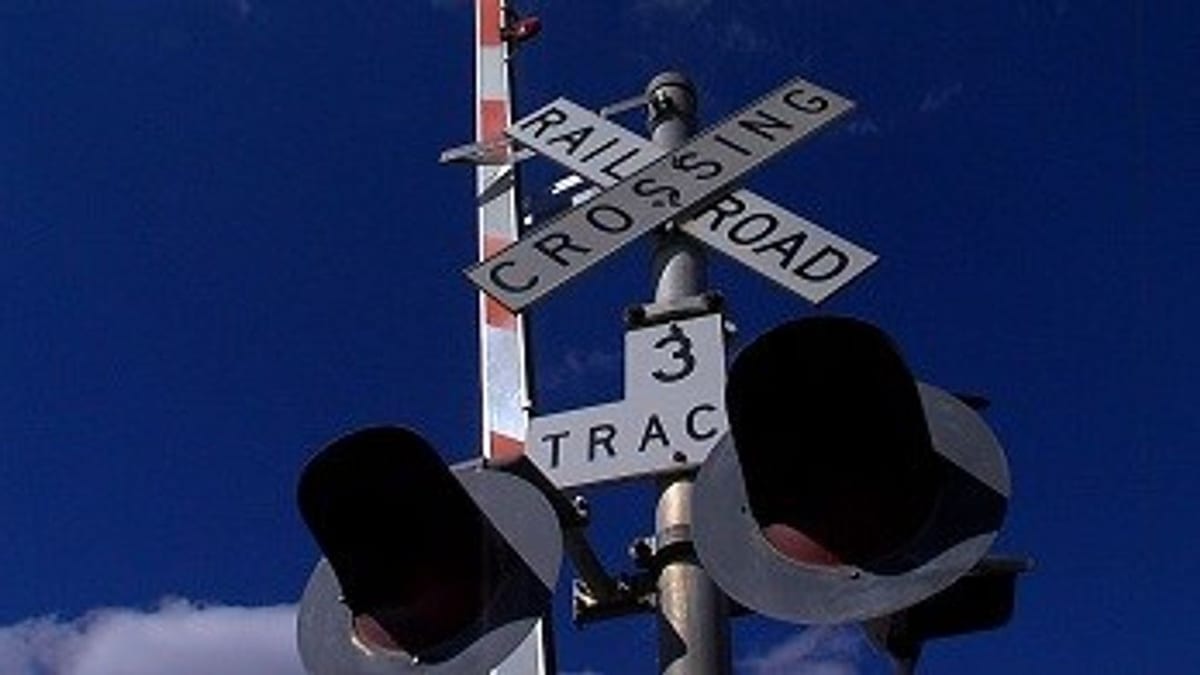
Emergency response and initial reports
According to early regional coverage and public traffic updates, emergency services were called to a rail crossing west of Portage following reports of a collision at the tracks. First responders closed the immediate area around the crossing while they assessed the scene and checked for injuries, leading to delays for vehicles and any nearby rail movements. Initial descriptions suggest that the incident occurred at a level crossing on a key approach route used both by local residents and through-travelers.
Publicly available information indicates that multiple emergency units responded, including medical and fire crews, with rail operators also notified as part of standard protocol. Trains in the vicinity were reported as slowing or stopping while inspections took place, a precautionary step that can ripple across regional schedules when an incident occurs on a busy line.
Early accounts do not yet provide a definitive sequence of events, and formal findings are expected to take time as transport agencies and rail operators review data from the line and any available camera footage. In similar cases, investigators typically examine vehicle behavior at the crossing, signal operation, and train speed leading up to the moment of impact.
Travel disruption for road users and rail passengers
The crossing closure quickly affected road traffic west of Portage, with drivers rerouted onto alternate local roads and, in some cases, toward the main highway corridor. Motorists reported delays as they navigated detours around the blocked intersection, a familiar pattern in communities where rail lines intersect with key commuter routes.
Rail passengers can also experience knock-on effects when incidents occur at crossings. While detailed schedule information specific to this event is still emerging, recent disruptions on long-distance routes in the region show how a single obstruction can cause cascading delays as dispatchers hold or re-route trains for safety checks. Travelers moving between major hubs sometimes encounter extended journey times or last-minute changes to departure boards when a line is partially shut down.
For local tourism operators and accommodation providers, even short-lived incidents can influence guest arrival times. Late-evening check-ins, tour departures, and airport transfer services may all be affected when primary routes west of Portage slow to a crawl, underscoring how intertwined rail infrastructure is with the broader travel economy.
Railway crossings as critical safety points
The incident west of Portage adds to a long-standing pattern in North America in which level crossings represent one of the most sensitive points of interaction between rail traffic and everyday road users. Government safety reports and previous case studies highlight that collisions at grade crossings, while relatively rare compared with overall traffic volume, can have severe consequences and often lead to multi-agency responses.
Travel safety advocates frequently point to rural and peri-urban crossings as especially vulnerable, where high train speeds intersect with drivers who may be less familiar with local signal timing or who misjudge the distance and speed of an oncoming train. Weather, low visibility, and driver distraction can all compound the risk. In many regions, programs are underway to upgrade crossings with improved warning systems, better sightlines, or, where feasible, grade separations that remove the intersection entirely.
Recent rail safety initiatives in Canada and the United States emphasize traveler awareness as a key element of prevention. Public campaigns urge drivers and pedestrians to treat tracks as active at all times, avoid racing gates, and leave sufficient space behind the stop line so that long vehicles are not stranded on the rails when traffic suddenly slows.
Implications for travelers passing through the Portage area
For travelers planning routes through the Portage region, the incident serves as a reminder that rail infrastructure can present unexpected delays, even on clear days and familiar roads. Motorists are encouraged by local advisories and general safety guidance to build extra time into journeys that rely on secondary roads intersecting with major rail lines, particularly when connecting to flights, intercity buses, or time-sensitive excursions.
In practice, that can mean favoring primary highways with grade-separated crossings when possible, especially for visitors unfamiliar with the area. Navigation apps may not immediately reflect a new closure at a railway crossing, so drivers are often advised to remain alert for temporary barricades, traffic control personnel, and flashing signal equipment that indicate a disruption ahead.
For rail passengers, travel planners note that a localized incident may not cancel a journey outright but could extend trip times if trains are required to wait at signals or be inspected before passing the affected stretch of track. Monitoring service alerts, leaving flexibility in onward connections, and keeping accommodation providers informed of changing arrival times can all help reduce stress when rail operations slow unexpectedly.
Ongoing monitoring and broader safety conversation
As of Tuesday afternoon, public reporting suggested that emergency crews remained at the crossing west of Portage while recovery efforts and preliminary assessments continued. Once vehicles and debris are cleared and the track and signaling equipment are inspected, normal traffic patterns are expected to resume, though residual delays may linger for some travelers.
Beyond the immediate response, the incident is likely to feed into a broader discussion about rail safety and infrastructure investment in regions where freight and passenger lines pass close to growing communities. Transportation agencies routinely collect data from such events, using it to refine guidelines on signage, crossing design, and driver education campaigns.
For travelers, the scene west of Portage is a visible reminder that even routine journeys can intersect with complex rail operations. Maintaining caution near crossings, staying informed about local conditions, and allowing time for unexpected holds remain essential habits for anyone moving through rail-rich landscapes, whether behind the wheel or seated on a passing train.