


More news on this day
St Louis is moving into a new era of transit payments, as Metro Transit begins rolling out an account-based ticketing system powered by fare technology firm Masabi, bringing fresh validators, upgraded fare gates and new digital tools to riders across the region.
Get the latest news straight to your inbox!
From legacy smart card to Masabi-powered system
The shift to Masabi’s platform marks a significant change for Metro Transit, which has spent recent years transitioning away from its earlier smart card program and largely paper-based tickets. Publicly available information indicates that the new system is built around Masabi’s Justride account-based ticketing technology, a software-as-a-service platform already used by agencies across North America and Europe.
Under an account-based model, riders maintain a central fare account rather than relying on value stored on a specific card or ticket. Payment media such as mobile tickets, QR codes or smart cards act as secure identifiers that link each tap at a validator or fare gate back to the rider’s account. This architecture gives agencies more flexibility to introduce features like fare capping and easier transfers, while allowing customers to move more seamlessly between different ways of paying.
St Louis has already relied on the Transit mobile app for digital ticketing, and the Masabi rollout is designed to integrate that experience with new hardware on buses and MetroLink stations. Training materials and planning documents associated with the project describe a unified system that can handle both pre-purchased mobile fares and future physical media, all managed in the cloud.
The move aligns Metro Transit with a broader industry trend in which agencies are replacing bespoke legacy fare systems with off-the-shelf, cloud-based platforms. Masabi’s technology is positioned as a way to shorten deployment times, reduce upfront costs and create a more consistent experience across bus and rail networks.
New validators and gate integration on MetroLink
One of the most visible elements of the rollout is the installation and activation of Masabi-branded validators on MetroBus vehicles and at MetroLink stations. These devices are designed to scan QR codes, read compatible cards and, over time, support more advanced account-based features as they are activated in the back office.
On the MetroLink rail system, the fare technology upgrade is closely tied to the gradual activation of fare gates at key stations. Reports from local coverage and rider accounts indicate that gates are being brought online in phases, with the new validators intended to provide a consistent check-in point for rail passengers using mobile tickets or other media.
The integration between the account-based ticketing platform and the physical gates has been a focus of planning, with earlier public updates noting that the gating hardware and the fare system would be synchronized over time. The current rollout suggests that Metro Transit is now progressing through that coordination, bringing validator taps, mobile tickets and gate passage into a single transaction flow.
For everyday riders, this means that tapping or scanning at a validator may become the primary way to demonstrate fare payment before entering a controlled rail platform, replacing the long-standing practice of validating paper tickets and relying on roving inspections.
Rider experience: mobile tickets, accounts and fare policies
The account-based design is intended to give riders more choice in how they purchase and use fares. Existing use of the Transit app in St Louis already allows customers to buy and activate digital tickets on their phones, and publicly available materials on the Masabi system indicate that these mobile fares can be linked to rider accounts behind the scenes.
Over time, this type of setup typically supports options such as balance loading, recurring passes and automatic fare capping, where the system tracks how much a rider has spent and limits daily or monthly charges to the cost of an equivalent pass. Planning documents associated with Metro’s technology program reference account-based structures and fare capping concepts, suggesting that these benefits are part of the longer-term vision, even if not all features arrive at once.
The roll-out is also expected to influence how discount and institutional programs work. Account-based ticketing allows agencies to assign special fare rules to specific user profiles, which can be linked to student IDs, social benefit cards or employer-sponsored passes. Regional planning records and related documents describe an intention to better integrate reduced-fare and partner programs into the new platform so that eligibility can be managed digitally rather than through separate physical passes.
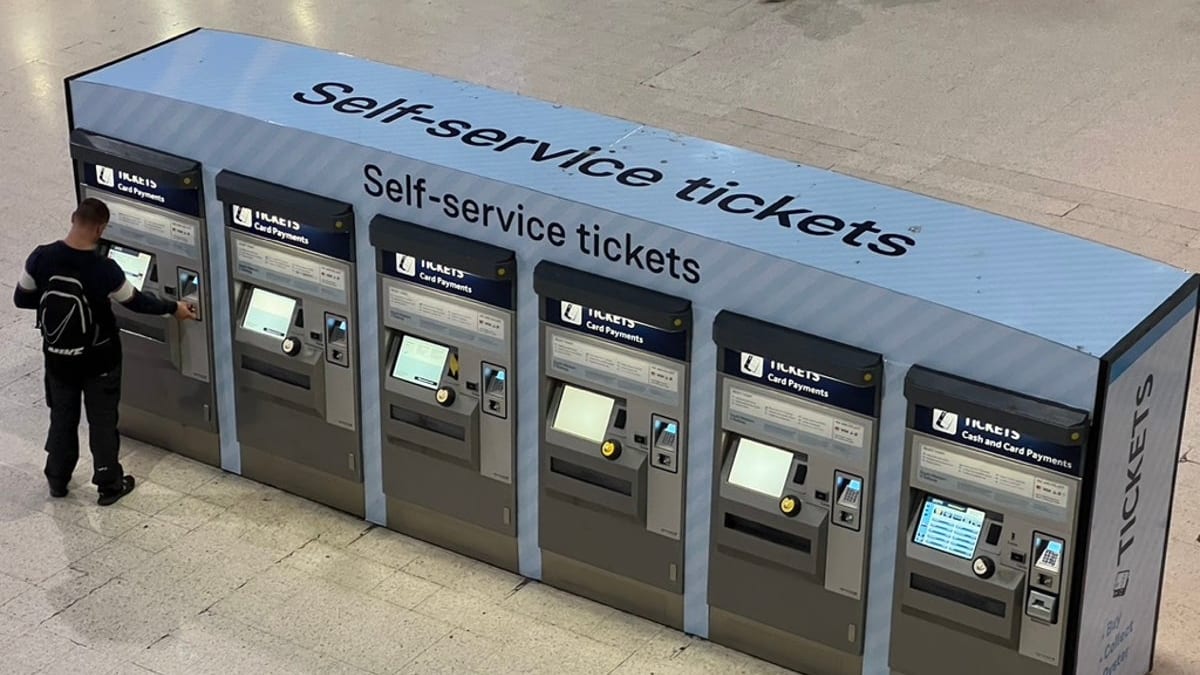
At the same time, the transition period brings questions about access for riders who do not use smartphones or prefer cash. Public FAQs and community discussions indicate that Metro Transit is planning for a mix of sales channels, including ticket vending machines, sales outlets and online tools, to ensure that riders can still load value or obtain barcoded tickets that work with the new validators.
Security upgrades and the wider “Next Generation” fare program
The move to Masabi’s account-based ticketing is part of a broader “next generation” fare and security program under way across the St Louis system. MetroLink’s new station gates, camera upgrades and revised platform layouts are intended to create clearer access points to rail services, and the updated fare technology is being deployed alongside these physical changes.
Regional planning and board materials describe fare modernization as one element of a layered security strategy, in which gated platforms, visible ticket checks and better data on passenger flows all contribute to a more controlled environment. By connecting validators and accounts to each entry point, Metro Transit gains a more detailed picture of ridership patterns, which can inform both security staffing and service planning.
Account-based systems also provide agencies with better tools for auditing and revenue protection. Because each tap or scan is recorded in a central back office, Metro can more easily reconcile fare payments, evaluate the effectiveness of discount programs and identify areas where additional education or enforcement might be needed.
The current phase in St Louis reflects what has happened in other cities adopting similar Masabi-powered solutions, where physical changes such as new gates often attract early attention, while the underlying account-based architecture gradually enables more policy and pricing innovations over time.
What comes next for St Louis riders
As the rollout progresses, St Louis riders can expect to see a growing number of vehicles and stations equipped with Masabi validators, along with updated signage and instructions on how to tap or scan correctly. Public-facing training materials emphasize simple interactions, such as presenting a mobile QR code to the validator screen or holding a compatible card near the reader until a confirmation message appears.
Metro Transit has signaled in its planning documents that the modernization program will unfold in stages, with new capabilities tested and introduced over an extended period. This staggered approach allows the agency to address technical issues, gather feedback from riders and adjust communication before expanding features system-wide.
For visitors and occasional riders, the combination of digital tickets, account-based back-end and physical gate controls may eventually resemble systems already familiar in larger metropolitan areas. Regular passengers, meanwhile, are likely to see the greatest benefits once fare policies, discounts and daily or monthly caps are fully integrated into the new platform.
St Louis’s deployment of Masabi’s account-based ticketing positions the region among a growing group of agencies turning to shared, cloud-based fare infrastructure. As additional features come online, the system is expected to provide a more flexible and data-driven foundation for how the city’s buses and trains are used and funded in the years ahead.