


More news on this day
Ras Al Khaimah is accelerating its transformation into a long-stay tourism hub, with new luxury projects on Al Marjan Island, a growing pipeline of resort openings and expanding air connections pulling in international visitors for extended stays.
Get the latest news straight to your inbox!
Al Marjan Island Anchors a New Long-Stay Tourism Cluster
Al Marjan Island, the four-island archipelago off the coast of Ras Al Khaimah, is at the center of the emirate’s push into long-stay tourism. Publicly available information describes the man-made island as a flagship waterfront community combining hotels, branded residences and leisure attractions, positioned to rival regional resort destinations.
Development activity on the island has intensified, with a wave of hotel and residential projects aimed at both tourists and longer-term visitors seeking serviced apartments and branded homes. Market reports show strong off-plan demand for units marketed within walking distance of the waterfront and future entertainment anchors, underscoring investor expectations that the island will appeal to winter sun seekers, digital nomads and regional residents on extended breaks.
Ras Al Khaimah’s tourism authorities have set out a “Balanced Tourism” strategy that emphasizes sustainable growth and diversified source markets. Within that framework, Al Marjan Island is emerging as a self-contained district where visitors can live, work remotely and access beaches and amenities over weeks or months, rather than just a weekend stay.
The island’s master plan, which includes new mixed-use areas such as the recently announced Marjan Beach district, is designed to broaden the range of accommodation types. This mix, from midscale lifestyle hotels to ultra-luxury branded residences, is expected to support longer visits by families, retirees and professionals combining business with leisure.
Wynn Al Marjan Island and Luxury Openings Lift Global Profile
The single most high-profile project reshaping perceptions of Ras Al Khaimah is Wynn Al Marjan Island, billed as the United Arab Emirates’ first integrated resort. Corporate disclosures and local coverage describe a multi-billion-dollar beachfront property with a large hotel tower, extensive entertainment facilities and a gaming component subject to the emirate’s regulations.
Wynn Resorts has reported steady construction progress, including key milestones such as financing completion and structural topping out, with the opening currently targeted around 2027. The resort is promoted as bringing the company’s Las Vegas and Macau-style hospitality model to the Gulf, which analysts expect will draw high-spending international guests and spur longer average lengths of stay across the destination.
The Wynn project has triggered a wave of luxury and lifestyle developments in the immediate vicinity. Announced ventures include Janu Al Marjan Island, a wellness-focused luxury resort brand, along with a pipeline of branded residences carrying global hospitality names. These properties are being marketed to second-home buyers and investors as well as long-stay guests who want hotel-style services with the privacy of an apartment.
Existing resorts on Al Marjan Island, including established all-inclusive properties and new midscale lifestyle hotels, are already targeting longer visits with monthly packages, co-working spaces and activity programs for remote workers. Industry observers note that this cluster effect, with multiple brands on a compact island, is helping Ras Al Khaimah compete more directly with other Gulf beach destinations for seasonal and repeat visitors.
Ras Al Khaimah’s Tourism Strategy Prioritizes Extended Stays
Ras Al Khaimah Tourism Development Authority has positioned long-stay tourism as a central pillar of its growth strategy. Policy documents highlight a shift from pure volume targets toward metrics such as visitor nights and tourism yield, with a focus on attracting guests who stay longer and spend more across accommodation, dining and experiences.
Recent performance data released by the authority shows visitor numbers and tourism revenues reaching record levels in 2025, indicating that the emirate’s efforts to diversify source markets and expand its hotel inventory are gaining traction. Observers point to Al Marjan Island’s expanding room count and upcoming openings as key factors in supporting this growth, especially during peak winter months when Gulf destinations attract European and Russian travelers.
The long-stay push is reinforced by initiatives under the Responsible RAK and investment programs, which encourage developers to integrate sustainability standards and community engagement into new projects. For extended-stay visitors, this translates into a growing range of nature-based activities, heritage sites and outdoor attractions beyond the beachfront, from hiking on Jebel Jais to exploring desert landscapes and historical villages.
Industry analysis suggests that Ras Al Khaimah’s relative affordability compared with larger Gulf cities is also a draw for long-stay guests. Serviced apartments and midscale resorts on and around Al Marjan Island are frequently promoted as offering lower nightly rates for multi-week stays, appealing to cost-conscious families and remote professionals seeking a base in the United Arab Emirates.
Global Air Links Strengthen Access for Long-Stay Markets
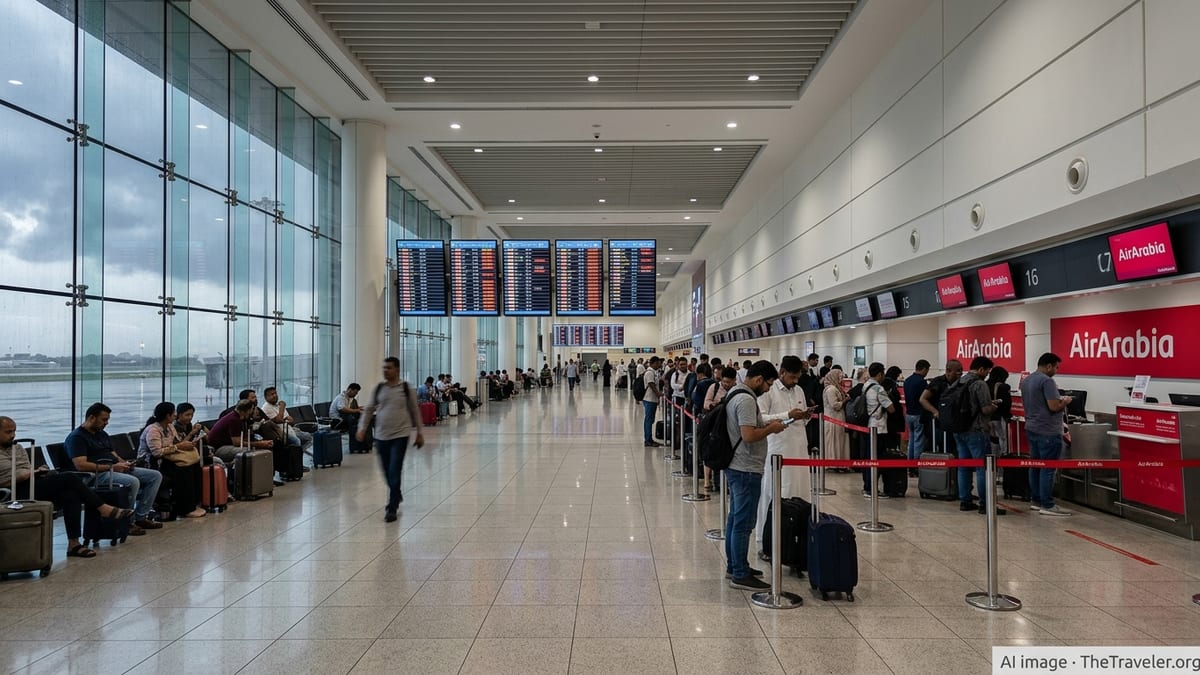
Improved air connectivity is playing a crucial role in supporting Ras Al Khaimah’s long-stay ambitions. Ras Al Khaimah International Airport has gradually expanded its network of scheduled routes, with flights operated by regional and low-cost carriers to cities across the Gulf, South Asia, Central Asia and parts of Europe.
Route data shows that Air Arabia and other operators have introduced or resumed services linking Ras Al Khaimah with key outbound markets, including destinations in India, Pakistan and Central Asia, which are important sources of both leisure visitors and visiting friends and relatives traffic. New and seasonal routes to cities in Eastern Europe and the Commonwealth of Independent States are also geared toward winter tourism demand, when longer stays in the mild Gulf climate are most attractive.
The emirate further benefits from its proximity to Dubai’s major international hubs, with road transfers from Dubai International Airport and Al Maktoum International Airport offering additional options for long-haul travelers. Travel trade commentary indicates that tour operators are increasingly packaging Ras Al Khaimah stays, particularly on Al Marjan Island, as part of multi-stop itineraries that combine city visits with extended beach time.
As Ras Al Khaimah’s hotel supply grows and integrated resort projects near completion, observers expect airlines and tourism authorities to continue coordinating on route development and marketing efforts. The combination of direct flights into Ras Al Khaimah and easy access via Dubai is regarded as a competitive advantage for attracting long-stay guests from Europe, Asia and beyond.
Outlook: From Weekend Getaway to Seasonal Base
Market sentiment among developers and hospitality brands suggests confidence that Ras Al Khaimah can transition from a largely regional weekend destination to a seasonal base for international visitors. The scale of investment concentrated on Al Marjan Island, anchored by Wynn Al Marjan Island and a suite of luxury and lifestyle properties, is seen as a catalyst for this shift.
Travel industry analysts note that the emirate’s mix of beachfront living, mountain and desert experiences, and relative value compared with some neighboring destinations positions it well for long-stay tourism growth. If planned projects open on schedule and air connectivity continues to deepen, Ras Al Khaimah could see a sustained rise in average length of stay and repeat visitation over the next several years.
For now, the cranes lining Al Marjan Island’s skyline and the steady expansion of routes at Ras Al Khaimah International Airport signal an emirate in transformation. Long-stay travelers, from remote workers to retired winter visitors, are increasingly in the sights of policymakers and investors shaping the next phase of this Gulf destination.