


More news on this day
Hundreds of travelers at Ronald Reagan Washington National Airport (DCA) have been left facing missed connections and overnight rebookings after a wave of disruptions involving PSA Airlines, American Airlines, Jazz, Republic Airways and JetBlue resulted in 49 cancellations and 171 delays, disrupting tourism flows on some of the busiest routes linking Washington with Toronto, Montreal, Nashville and other major hubs.
Get the latest news straight to your inbox!
Operational Turbulence Hits Key Carriers at Reagan National
The latest disruption at Reagan National is centered on a cluster of regional and mainline carriers that collectively handle a large share of the airport’s short haul and connecting traffic. PSA Airlines and Republic Airways, which operate flights on behalf of major U.S. brands, appear prominently among the affected operators, alongside American Airlines and JetBlue. Canadian carrier Jazz is also listed among those experiencing irregular operations, indicating cross border services are being hit as well.
Publicly available flight status boards show a concentration of cancellations in the regional jet segment, the backbone of feeder traffic into Washington. These aircraft connect smaller and mid sized cities to DCA and funnel passengers onward to domestic and international destinations, so disruptions in this tier tend to cascade quickly through the network. Even when only a few dozen flights are canceled outright, the impact can be magnified by knock on delays that accumulate through the day.
The 49 cancellations and 171 delays represent a significant share of Reagan National’s daily movements, particularly during peak business travel periods. While major storms or air traffic control constraints often explain such disruption, early indications from delay reporting tools suggest a mix of operational factors, from crew and aircraft availability to congestion elsewhere in the national airspace system.
Recent federal data underline how vulnerable some of the affected carriers are to reliability challenges. A U.S. Department of Transportation air travel consumer report for early 2026 shows PSA Airlines and Republic Airways with higher than average cancellation rates compared with several larger mainline carriers, while JetBlue also reports elevated delay percentages. These trends mean that any local operational strain at DCA can quickly translate into sizable schedule changes for passengers.
Tourism Links To Toronto, Montreal And Nashville Disrupted
The wave of cancellations and delays is being felt most keenly on tourism heavy routes that connect Washington with Toronto, Montreal and Nashville. These cities combine strong leisure demand with steady business traffic, making them particularly sensitive to schedule reliability. During late June, when summer vacation travel accelerates, even modest disruption can translate into full hotels, rebooked tours and missed events for visitors.
On the U.S. Canada corridor, Jazz operated services and codeshare flights with larger partners typically carry a mix of city break tourists, festival visitors and family travelers. Disruptions at Reagan National can ripple outward to both Toronto Pearson and Montreal Trudeau, where arriving passengers rely on onward connections or timed ground transport. Published coverage from recent disruption days across North American airports shows that when regional carriers experience irregular operations, cross border routes often see disproportionate knock on effects because aircraft and crew rotations are tightly scheduled.
Nashville, one of the country’s fastest growing leisure destinations, is similarly exposed. Music events, conferences and weekend tourism make the Washington–Nashville route a strong performer in the summer months. Travel industry analysts note that schedule instability on such routes can discourage short break bookings, as travelers increasingly seek direct flights with carriers that have shown more resilient performance in federal on time statistics.
For local tourism boards and hospitality operators in these cities, any sustained pattern of delay or cancellation on key feeder routes from Washington can have measurable economic consequences. Hotels near downtown entertainment districts, tour operators and convention venues all depend on predictable arrival flows to manage staffing levels and inventory.
Knock On Effects Across The U.S. Flight Grid
Reagan National’s disruptions are unfolding against a broader backdrop of operational strain in the U.S. aviation system in June 2026. Recent reporting has highlighted multiple days when regional partners such as SkyWest, Republic and Envoy Air collectively grounded hundreds of flights and recorded thousands of delays nationwide. These incidents underline how tightly interlinked the country’s hub and spoke network has become.
When a carrier like PSA or Republic experiences problems at one airport, the effects tend to radiate through hubs where those airlines concentrate operations. Aircraft and crews may be out of position for later departures, and connecting passengers can miss onward flights to secondary and tertiary markets. Reagan National, constrained by its physical footprint and slot controls, has less flexibility than some larger airports to absorb such dislocation.
Delay summaries from aviation authorities also show that the causes of disruption are often shared across airports: a mix of air carrier operational issues, national airspace system constraints and adverse weather. This makes it challenging for passengers to pinpoint a single factor behind any one cancellation. What is clear is that regional carriers shouldering tight schedules, especially around the East Coast, have been at the forefront of recent irregular operations.
Industry observers note that as summer demand peaks, airlines are attempting to maximize capacity without the full operational buffers they employed in earlier years. That strategy can leave little room to recover when storms, traffic management initiatives or maintenance issues strike, particularly at constrained airports like DCA.
What Passengers Are Experiencing On The Ground
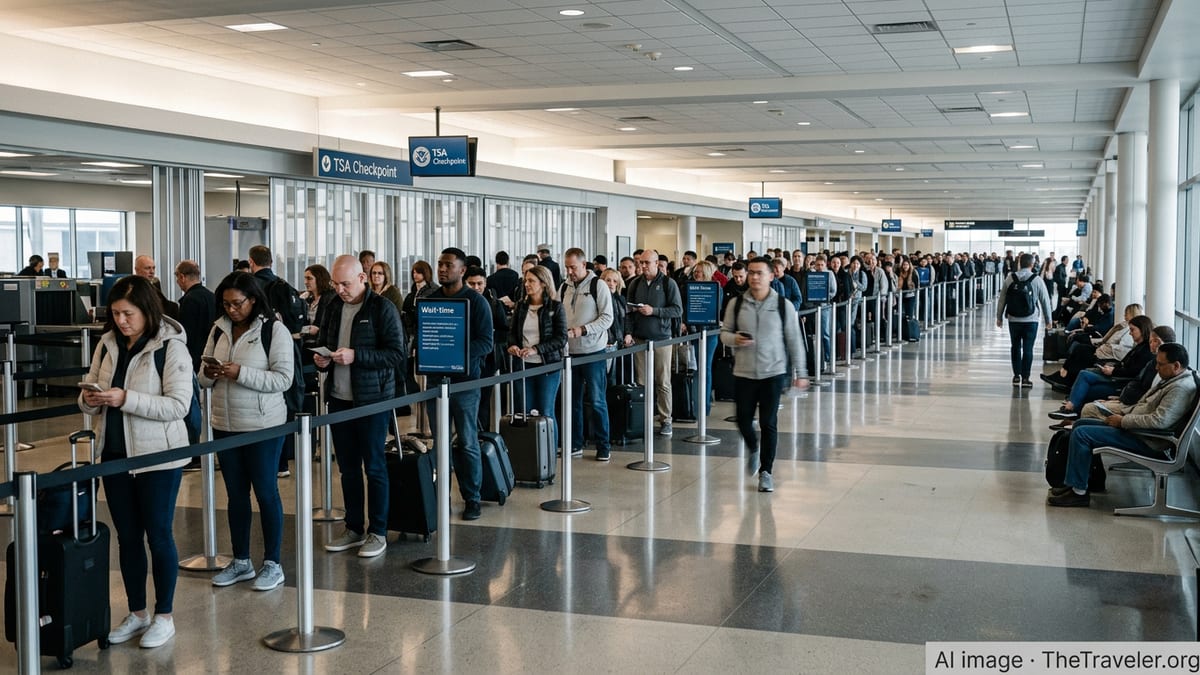
For passengers at Reagan National, the statistics translate into long lines at check in counters, crowded departure lounges and a scramble for scarce rebooking options. Travelers with itineraries involving regional connectors are particularly exposed, as a canceled feeder flight can unravel an entire trip, especially when alternative services are limited or fully booked.
Public flight tracking data and airport status maps indicate that some passengers are facing delays stretching several hours beyond scheduled departure times. In some cases, rolling pushbacks are forcing travelers to rearrange hotel stays, car rentals and event tickets at their destination. Those headed to time sensitive events, such as concerts or conferences in Nashville or sports fixtures and festivals in Toronto and Montreal, may arrive too late for their plans.
Consumer advocates highlight that under current U.S. rules, airlines are generally not required to provide compensation for delays, though they may offer meal or hotel vouchers in certain circumstances. Passengers affected by the Reagan National disruptions are being encouraged by travel organizations to retain boarding passes and receipts and to monitor airline communication channels closely for schedule updates.
Experienced travelers also point out that regional jet travelers often have fewer rebooking options because there may be only a handful of daily frequencies on specific routes. When a morning departure is canceled and midday services are already full, the next available seat may not be until the following day, effectively turning a delay into a full lost travel day.
Travelers Adjust Plans As Summer Peak Approaches
The timing of the Reagan National disruptions so close to the height of the summer travel season is prompting some travelers and corporate travel managers to reassess their booking strategies. Recent government reliability statistics show meaningful differences in on time performance and cancellation rates among carriers, and some organizations are starting to factor these numbers more heavily into preferred airline choices.
For Washington area residents planning leisure trips to Canadian cities or southern hubs such as Nashville, travel advisors recommend building more buffer time into itineraries, especially around tight connections. Selecting earlier flights in the day and avoiding the last departure on a route can provide extra margin for recovery if disruptions occur. Some passengers are shifting to nonstop flights from alternative airports in the region when possible, even if that means a longer drive to the airport.
Tourism operators in Toronto, Montreal and Nashville are watching developments closely, as a prolonged pattern of irregular operations from key feeder markets could influence late summer booking trends. Package providers and event organizers may respond by adjusting cut off times for ticketed activities or by offering more flexible rebooking policies to reassure hesitant travelers.
While the current disruption at Reagan National may ultimately prove temporary, analysts caution that June’s pattern of concentrated delays and cancellations among regional partners suggests a structural fragility that could resurface during periods of adverse weather or heightened airspace congestion later in the season.