


More news on this day
Passengers at Houston’s George Bush Intercontinental Airport faced hours of uncertainty today as a fresh wave of delays and cancellations rippled across major hubs in the United States and Europe, disrupting services on United, American, Frontier, Delta, Lufthansa and other carriers.
Get the latest news straight to your inbox!
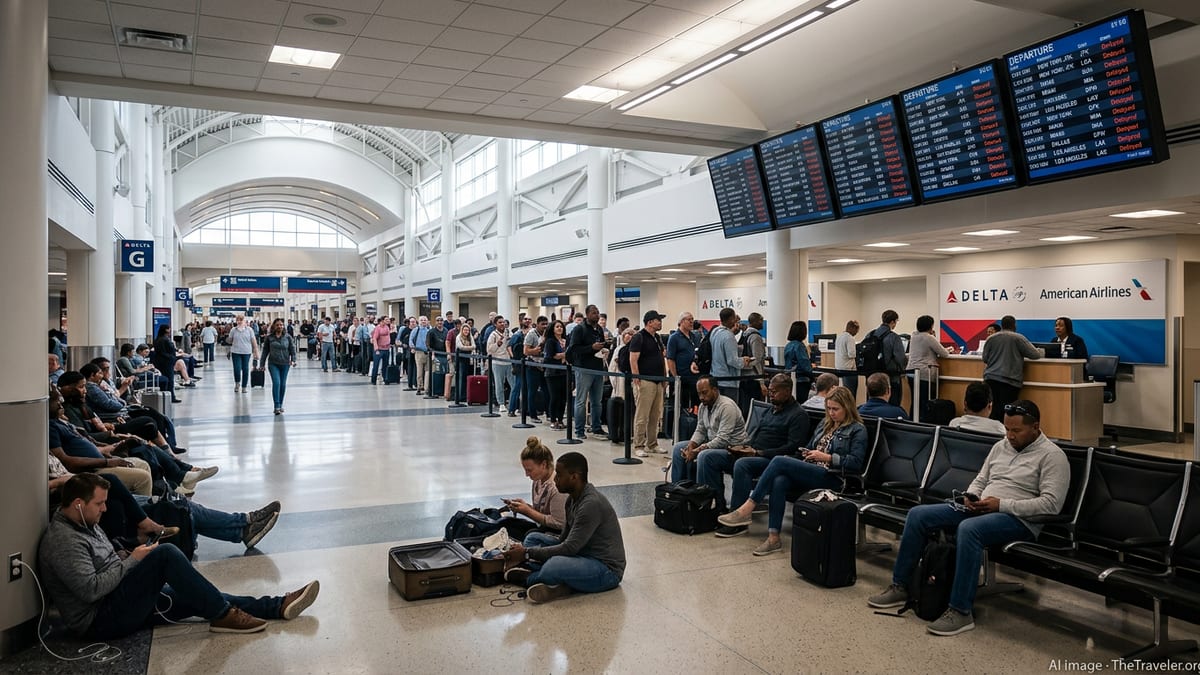
Disruptions Mount at George Bush Intercontinental
Operational data and live flight boards for George Bush Intercontinental Airport in Houston indicated at least 85 delayed flights and four cancellations affecting departures and arrivals over the course of the day. The knock-on effects left travelers waiting in terminals across multiple concourses as aircraft arrived late from other cities or were held on the ground.
Publicly available schedules showed delays clustering around peak midday and late afternoon banks of flights, when United and its domestic and international partners operate dense connections through Houston. Services to and from major business and leisure destinations, including Chicago, Atlanta, New York and Frankfurt, were among those most affected.
Airport information services for Houston listed a steady stream of flights showing revised departure and arrival times, with delay intervals ranging from minor schedule slips of around 30 minutes to multi-hour disruptions for some long haul and connecting routes. The four cancellations recorded today largely involved short haul domestic sectors, compounding the disruption for passengers relying on tight connections.
While the scale of disruption remained short of a full ground stop, the volume of affected sectors at one of the country’s busiest hubs created crowded gate areas, extended customer service lines and pressure on rebooking options for passengers aiming to reach smaller regional destinations.
Major Carriers Hit on Key Domestic and Transatlantic Routes
According to real time flight tracking platforms and airport boards, the disruption touched a wide range of carriers, including United, American, Frontier, Delta and Lufthansa, alongside several regional and codeshare partners. United, which operates a major hub at George Bush Intercontinental, bore the brunt of schedule changes on Houston centered routes.
Services linking Houston with Chicago, Atlanta and New York recorded multiple late departures and arrivals as aircraft cycled through congested air corridors and weather sensitive airports. In some cases, delays in one direction cascaded into subsequent rotations, affecting later flights even after conditions along the route began to stabilize.
Lufthansa’s flagship Houston to Frankfurt service, a key transatlantic connection for both business and connecting leisure travelers, also appeared among flights posting revised departure times. Passengers bound for onward connections to Europe, the Middle East and Africa faced added uncertainty as they recalculated minimum connection windows in Frankfurt against shifting Houston departure estimates.
Low cost operator Frontier saw schedule pressure primarily on domestic links into Houston, where even modest delays can significantly affect budget conscious travelers with limited flexibility. With multiple airlines contending for scarce spare seats on similar routes, options for same day re-accommodation became more constrained as the day progressed.
Weather, Congestion and Network Complexity Fuel Ripple Effects
Public aviation data and recent coverage of air travel patterns suggest that a blend of factors contributed to today’s problems. Seasonal storms across parts of the United States have repeatedly triggered ground delays and flow control measures at major hubs, including Houston, in recent weeks. When weather systems move through interconnected airspace, national traffic managers often reduce arrival and departure rates, creating queues both in the air and on the tarmac.
In parallel, ongoing staffing and equipment constraints across portions of the aviation system mean there is limited slack to absorb unexpected disruptions. When a key flight is delayed or an aircraft is taken out of rotation for technical checks, airlines can struggle to reposition crews and spare aircraft quickly enough to protect the remainder of the schedule.
The complexity of modern airline networks further amplifies small issues. A late inbound from Chicago or New York can quickly affect a series of outbound flights from Houston, especially when the same aircraft and crew are rostered across multiple short haul legs. International services, such as those operated with widebody aircraft to Frankfurt, are particularly vulnerable because substitute aircraft and specialized crews are harder to redeploy at short notice.
Industry statistics compiled by national transportation agencies indicate that weather remains the leading cause of delays across major United States carriers, but carrier-related issues, including crew scheduling and maintenance, represent a substantial share of disruption. When both factors coincide on the same day, passengers can experience especially sharp impacts at busy hubs.
Stranded Passengers Face Long Lines and Limited Alternatives
Travelers moving through George Bush Intercontinental reported crowded concourses and long waits at airline service counters as they sought new options to reach destinations across the country and overseas. With multiple major carriers experiencing overlapping delays and cancellations, the usual fallback of switching to a competing airline on a similar route proved more difficult.
Publicly available fare and seat maps on booking platforms showed many near term flights from Houston to Chicago, Atlanta and New York filling quickly as disrupted passengers and new bookings competed for remaining inventory. Those with flexible schedules and carry on only baggage sometimes opted to accept substantial delays in return for a guaranteed seat, while others considered overnight stays or rerouting through secondary hubs.
For international passengers, particularly those bound for Europe via Frankfurt or onward connecting cities, missed connections pose added complications such as rebooking on already busy transatlantic services, adjusting accommodation plans and addressing visa or transit requirements. Families and travelers without extensive experience navigating irregular operations can find the process especially stressful.
Airport vendors and terminal services also came under pressure as passengers waited out extended layovers. Seating around gate areas, charging points and dining outlets typically become scarce during significant disruptions, and crowding can persist long after the immediate operational bottleneck begins to ease.
What Travelers Can Do When Operational Disruptions Strike
Travel experts and publicly available consumer guidance consistently recommend that passengers adopt a proactive approach during days of heavy disruption. Checking flight status frequently through official airline channels and airport boards before heading to the airport remains one of the most effective ways to avoid unnecessary time in terminals.
Once delays begin to accumulate, travelers are generally advised to use multiple channels to manage rebooking, including mobile applications, online tools and phone support, rather than relying solely on in person queues at ticket counters. Those who purchased tickets directly from airlines often have access to the widest range of rebooking options, while some third party bookings may require coordination with the original seller.
Passengers with critical same day commitments at their destination may consider accepting reroutes with additional stops or longer total journey times if these options provide earlier guaranteed arrival. In some cases, shifting to nearby airports in Chicago, New York or Atlanta can open additional possibilities, although ground transportation costs and logistics must be weighed carefully.
Travelers scheduled to depart later in the week from Houston and other affected hubs are encouraged by consumer advocates to monitor conditions over the coming days. While most irregular operations are resolved within a short period, the aftermath of a day with widespread delays and cancellations can occasionally linger as aircraft and crews return to normal rotations across domestic and international networks.