


Walk through one of the arched gates of Istanbul’s Grand Bazaar and the city suddenly feels louder, brighter, and more intense. Lamps drip from ceilings, gold glints under fluorescent light, and within ten steps at least three shopkeepers have called out "My friend, where are you from?" For some travelers, this 15th century covered market is the highlight of Istanbul. For others, it feels like a crowded, overpriced tourist trap. After sifting through recent traveler reports and walking the bazaar myself in 2026, here is an honest, practical look at whether the Grand Bazaar is really worth visiting on your next trip to Istanbul.
Get the latest updates straight to your inbox!
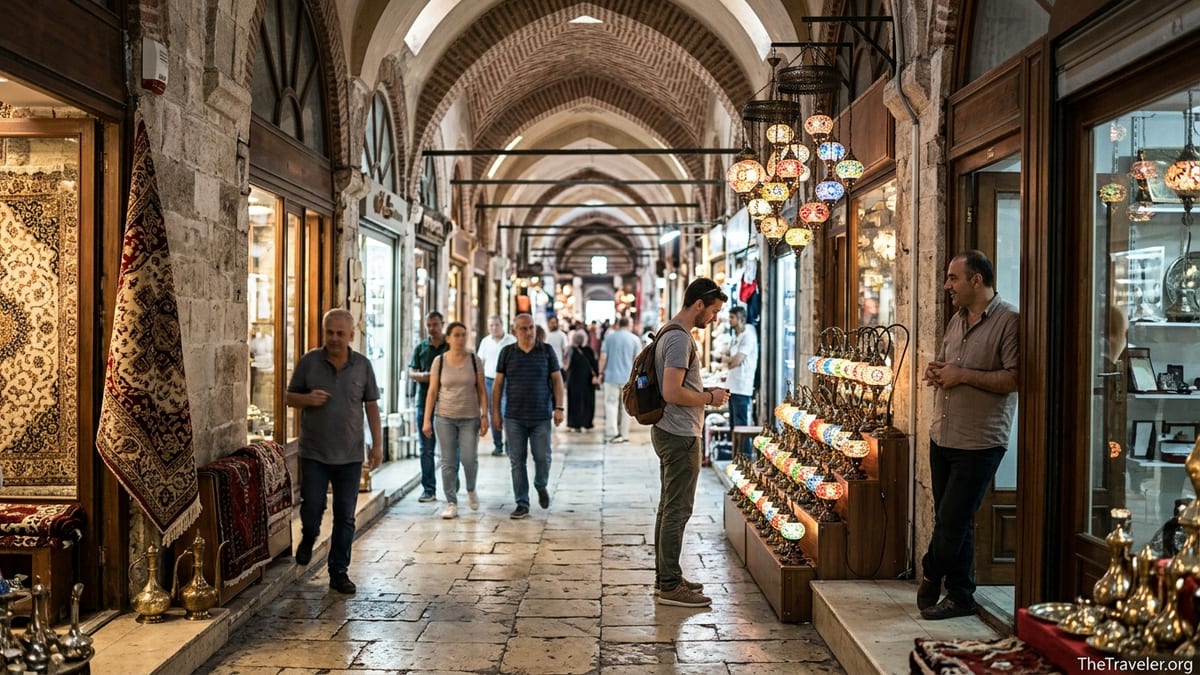
The Grand Bazaar Experience in 2026
The Grand Bazaar is not a quiet slice of Ottoman nostalgia. It is a living, working commercial machine that has adapted quickly to 2026 tourism. Officially, it holds thousands of shops across a maze of vaulted corridors, but what you feel in the first few minutes is less about numbers and more about atmosphere: the echo of voices under domed ceilings, the smell of leather and strong tea, and the constant flow of people from every corner of the world.
Opening hours in 2026 are typically Monday to Saturday from about 08:30 to 19:00, and the bazaar is closed on Sundays as well as major religious holidays and Republic Day on October 29. There is no entrance fee, and you can walk in through several gates from the Beyazıt, Çemberlitaş, or Nuruosmaniye sides. In practice, most visitors spend between one and three hours inside, often longer if they sit for tea in a carpet shop or pause at one of the small iç lokanta (worker canteens) that serve simple plates of beans, rice, and köfte to the merchants.
The feel of the Grand Bazaar also depends heavily on the time of day. Early morning, between about 09:00 and 10:30, the corridors are relatively calm; you may see shop shutters still going up, old men sweeping their doorsteps, and locals buying small gold pieces or exchanging jewelry. By midday in peak season, particularly from April to October, the alleys near the main gates can be shoulder to shoulder, with guides holding flags, cruise groups trying to keep together, and stallholders competing to be heard. Late afternoon, after 17:00, the tempo drops again and you can stroll more slowly, though some shops start closing early if trade is quiet.
Whether this energy feels exhilarating or exhausting is personal. Many recent visitors describe the Grand Bazaar as a once in a lifetime experience they would not skip, but also something they were happy to do just once. The key is to arrive with realistic expectations: this is not the place for rock-bottom prices or peaceful browsing, but it is a powerful snapshot of Istanbul’s commercial soul.
What Is Actually Worth Buying Here?
In 2026, the Grand Bazaar remains one of Istanbul’s main centers for carpets, jewelry, and certain types of handicrafts, but not every lane offers good value. For big-ticket items, it is vital to have at least a broad sense of realistic prices and quality.
Hand-knotted wool and silk carpets are still the bazaar’s signature product. Current guides describe small, machine-assisted wool rugs starting from roughly the equivalent of 150 to 250 US dollars, with larger hand-knotted wool carpets easily running into the high hundreds or low thousands, and fine silk Hereke-style pieces much more. Well-established dealers will freely explain knot counts, origin (for example Kayseri or Konya), and materials, and many provide a written invoice and certificate of authenticity plus shipping via major couriers. In contrast, some travelers report being rushed into showrooms, plied with apple tea, and quoted four to five times what similar-quality pieces cost in less touristy parts of the city.
Jewelry is where the Grand Bazaar still feels like a hub for Istanbul itself, not just for tourists. The gold lanes, especially around Kalpakçılar Caddesi, sell pieces by weight plus a workmanship fee, reflecting daily gold prices. Locals come here to buy thin 22-carat bracelets or simple chains for savings and gifts. For visitors, delicate evil eye bracelets in silver or gold-plated brass might start from around the equivalent of 10 to 20 US dollars, while heavier gold bangles or Ottoman-style rings move quickly into the hundreds. This is one category where the bazaar’s concentration of serious merchants, many with long-standing family businesses, can work in your favor if you compare a few shops and insist on clear information about karat and weight.
For mid-range souvenirs, the best value depends on how much authenticity matters to you. Hand-painted Iznik-style ceramics, mosaic glass lamps, and embroidered pillow covers are widely available. A medium-sized mosaic lamp in 2026 often settles at around 25 to 60 US dollars after bargaining, while simple hand-painted bowls and plates might end up in the 10 to 25 dollar range. Many of these pieces are factory-produced rather than artisanal one-offs, but the designs are attractive and they pack well. Spices, Turkish delight, and tea are very visible inside the bazaar, yet seasoned travelers and Istanbul-based writers often recommend buying edible souvenirs instead from long-established patisseries and spice shops outside the main tourist corridors, where turnover is higher and quality more consistent.
Prices, Bargaining, and the Reality of Overpaying
There is no way around it: first prices in the Grand Bazaar are usually high, sometimes wildly so. Vendors expect to bargain, particularly on carpets, lamps, ceramics, textiles, and leather goods. Guides published in 2026 note that initial quotes for non-food souvenirs can easily be double or triple the price a seller is willing to accept if you negotiate calmly.
A typical example: a traveler looking at a medium-size mosaic lamp near one of the main gates in spring 2026 was quoted the equivalent of 95 euros. After 10 minutes of friendly bargaining, and a clear willingness to walk away, they paid around 45 euros. Similar stories appear for leather jackets, where starting prices around 400 to 500 euros sometimes drop to around half that amount after negotiation, depending on quality. For simple cotton hammam towels, you might see tags suggesting 15 to 20 euros each, yet travelers regularly report paying closer to 7 to 10 euros per towel when buying several together.
The flip side is that many visitors do overpay, sometimes significantly, and this has become a recurring theme in online trip reports. One common pattern involves carpets bought on impulse: for example, a small rug purchased for several hundred US dollars in the bazaar might compare poorly to similar or better-quality pieces seen later in more local neighborhoods or at fixed-price shops. Another pattern involves agreeing to a per-kilo price for Turkish delight or nuts and discovering a surprisingly high total only once items are weighed at the register, plus an aggressive insistence on paying in hard currency rather than Turkish lira.
The healthiest mindset is to see the bazaar as part shopping, part performance. If you go in expecting to haggle, set your own maximum price in your head, convert it to lira at that day’s approximate rate, and stick to it. If the negotiation stops being enjoyable, or if you feel pressured, it is entirely acceptable to smile, say "No, thank you" in English or "Teşekkürler, istemiyorum" in Turkish, and walk away. In many cases, this is when a more reasonable counteroffer suddenly appears.
Common Pitfalls, Scams, and How to Stay Comfortable
Day-to-day safety inside the Grand Bazaar is generally good. The market is heavily policed, crowded, and well lit. Most problems reported by 2025 and 2026 travelers are not about physical danger but about money and expectations: feeling tricked, upsold, or guilty after agreeing to a price. Istanbul’s status as a major tourist destination means there is a separate ecosystem of people who specialize in exploiting visitors’ uncertainty.
Well-documented complaints include being charged more than the agreed price on the final credit card slip, being switched from one item to a subtly different one during packing, and being rushed through a carpet or jewelry purchase with a sense that backing out would be rude. There are also stories of travelers paying several times the local going rate for simple souvenirs because they were tired, jet-lagged, or uncomfortable bargaining. While these experiences can be upsetting, they are avoidable with a few practical habits.
First, avoid entering financial conversations when you are feeling pressured. If a shopkeeper quickly closes the door, turns the conversation intensely personal, or keeps insisting "Just sit, just one tea, you are my guest" after you have said you are not shopping, excuse yourself and leave. The vast majority of merchants are straightforward, but you do not owe anyone your time or attention. Second, always double-check prices before you pay. If you negotiate in euros or dollars but pay by card in lira, ask the seller to write the final agreed lira amount clearly on paper and compare it carefully to the terminal screen before you tap or insert your card.
Finally, keep perspective. The bazaar can feel like a theater of hard selling, yet many travelers also describe genuine moments of hospitality: a shopkeeper teaching them how to tie a Turkish scarf, an elderly jeweler explaining the meaning of traditional motifs, or a young apprentice walking them to the right gate when they are obviously lost. Treat it like a cultural encounter as much as a shopping trip and it becomes easier to enjoy the intensity without feeling hunted.
How the Grand Bazaar Compares to Other Markets
If your time in Istanbul is limited, you may wonder if the Grand Bazaar is essential or if other markets offer a more relaxed or better-value experience. In 2026, many Istanbul-based writers suggest thinking of the city’s markets as a small ecosystem rather than choosing just one.
The Grand Bazaar is the heavyweight: historic, architecturally impressive, and focused on higher-margin goods like carpets, jewelry, and souvenirs. Nearby, the Spice Bazaar in Eminönü offers a more compact, aromatic world of spices, nuts, teas, and sweets, though it, too, is very touristy. Smaller options like the Arasta Bazaar behind the Blue Mosque, the streets of Kadıköy on the Asian side, or the lanes of Karaköy and Galata provide a more local shopping feel with boutiques, contemporary design shops, and everyday household stores.
From a pricing perspective, the Grand Bazaar tends to sit at the higher end for equivalent items. Travelers who price-checked found that simple hammam towels, ceramic bowls, or inexpensive jewelry often cost less in Kadıköy or in side streets around Istiklal Caddesi than in the bazaar’s main corridors. However, bargains still exist in less-trafficked alleys deeper inside the market, especially away from the busiest gates, where rents and tourist footfall are lower.
Architecturally, though, no other market in Istanbul really replicates the Grand Bazaar’s scale: painted domes, stone archways, and the feeling of being inside a vast, enclosed town. Even travelers who prefer to buy their coffee, spices, or ceramics elsewhere often acknowledge that stepping into the bazaar for an hour gives a vivid sense of Istanbul’s mercantile history that modern shopping malls cannot match.
Who Will Enjoy the Grand Bazaar, and Who Might Skip It
Whether the Grand Bazaar is worth visiting depends heavily on your travel style. If you enjoy markets, bargaining, and people-watching, you are likely to find it memorable. Travelers who describe positive experiences in 2025 and 2026 often mention arriving early, focusing on one or two types of purchase, then leaving once they were satisfied instead of wandering until they were exhausted.
On the other hand, visitors who strongly dislike haggling, feel uncomfortable saying no, or are sensitive to crowds and sensory overload often come away frustrated. Some solo travelers, especially those already tired from long-haul flights, report feeling overwhelmed by persistent invitations into shops or by unsolicited "guides" who try to steer them to specific carpet or leather showrooms in exchange for commission. If that kind of attention already bothers you in smaller markets at home, the Grand Bazaar may not feel enjoyable.
Families with children sometimes find the bazaar a mixed experience. Younger kids can be fascinated by the lamps and sweets, but the narrow, crowded aisles and constant stimulation can quickly wear everyone out. In such cases, a short targeted visit, perhaps combined with a nearby attraction like the Süleymaniye Mosque terraces or a ferry ride from Eminönü, works better than a half-day shopping marathon.
If you have only one full day in Istanbul and are more interested in history and urban scenery than in shopping, you may prefer to prioritize sites like Hagia Sophia, the Blue Mosque, the Basilica Cistern, and a Bosphorus cruise, and treat the Grand Bazaar as an optional stop if time and energy permit. However, if you have three or more days, spending an hour or two inside the bazaar is, for most travelers, a worthwhile addition.
Practical Tips: How to Make the Most of Your Visit
Assuming you decide the Grand Bazaar belongs on your itinerary, a few practical choices can transform the experience. Aim to arrive soon after opening, especially in hot months, when the air is cooler and crowds are thinner. Enter from a slightly less hectic gate, such as the Nuruosmaniye side, rather than the busiest entrances near the tram stations, to ease into the atmosphere more gently.
Dress for comfort. The bazaar’s stone floors can be unforgiving after an hour or two, so supportive shoes matter more than style. In spring and summer, the covered alleys can get warm and stuffy by midday, so light layers help. Pickpocketing is not a constant threat but is possible in any crowded tourist area, so keep your phone and wallet in a front pocket or a zipped bag. Many travelers use money belts or small crossbody bags worn in front, which also makes it easier to manage cash while bargaining.
When it comes to payment, nearly all shops accept major credit cards, particularly for bigger purchases. For small souvenirs, snacks, and tips, carrying some Turkish lira is useful, but you will often be quoted prices in euros or dollars as well. Exchange booths inside the bazaar offer convenience rather than the best rates, so if you plan serious shopping it is better to change money beforehand or withdraw lira from a bank ATM outside. If a merchant offers to process your card in your home currency instead of lira, consider politely declining, as these "dynamic currency conversion" rates are often worse than your bank’s.
Finally, plan an escape route. It is easier to enjoy getting slightly lost in the bazaar if you know that all paths eventually lead to a gate and that you have a rough sense of direction. Traditional paper maps posted online can be screenshot to your phone, or you can simply remember that the tram line and main roads lie downhill toward the Golden Horn. When you feel saturated, give yourself permission to step outside, find a quiet side street café for a Turkish coffee or lemonade, and only then decide whether to dive back in.
The Takeaway
So, is Istanbul’s Grand Bazaar worth visiting in 2026? For most travelers, the answer is yes, with caveats. It is not the best place for rock-bottom prices on everyday souvenirs, and it comes with a real risk of overpaying if you rush into big purchases or avoid bargaining. Crowds, noise, and persistent sales pitches are part of the package, not an exception.
Yet it is also one of the few places where Istanbul’s long history as a trading crossroads still feels tangible in the rhythm of daily life. Gold dealers weighing bracelets for local customers, apprentices running errands through echoing halls, and the glow of lamps against worn stone ceilings all contribute to a sense that you have stepped into a living museum of commerce. Even a short, focused visit can give you that feeling without exhausting you.
If you go with a clear budget, a willingness to say no, and the understanding that the true value of the visit is the experience rather than the discount, the Grand Bazaar can be a vivid and rewarding stop. If you would rather avoid haggling entirely or have very limited time in the city, you will not miss Istanbul’s essence by focusing instead on its mosques, ferries, and neighborhood streets. But for many visitors, an hour or two inside this chaotic, colorful labyrinth becomes one of the stories they tell long after the lamp on their living room shelf has lost its newness.
FAQ
Q1. What are the current opening hours of the Grand Bazaar in Istanbul?
The Grand Bazaar generally opens Monday to Saturday around 08:30 and closes around 19:00, and it is closed on Sundays and major public or religious holidays.
Q2. Is the Grand Bazaar safe for solo travelers?
The bazaar is usually safe for solo travelers, with a strong daytime police presence and plenty of people around, but you should still watch your belongings and be cautious about money-related interactions.
Q3. How much time should I plan for a visit?
Most travelers are satisfied with one to three hours inside the Grand Bazaar, depending on how much serious shopping they plan to do and how comfortable they are with bargaining and crowds.
Q4. Do I have to bargain, or can I just pay the listed price?
Bargaining is expected for most non-food items such as carpets, lamps, textiles, and souvenirs, and initial prices are often high, so politely negotiating is usually in your interest.
Q5. Is it a good idea to buy a carpet at the Grand Bazaar?
It can be, but only if you have time to compare several shops, feel comfortable bargaining, and stick to a clear budget; otherwise you may find better value for similar carpets in less touristy parts of Istanbul.
Q6. Should I bring cash, or are credit cards widely accepted?
Credit cards are widely accepted for larger purchases, while having some Turkish lira in cash is useful for small items and tips; exchange money or withdraw from bank ATMs outside the bazaar for better rates.
Q7. What is the best time of day to visit to avoid crowds?
Early morning soon after opening and late afternoon before closing are usually the least crowded times, while late morning to mid-afternoon can be very busy, especially in peak season.
Q8. Are the goods in the Grand Bazaar authentic and locally made?
Some items, particularly higher-end carpets and jewelry, are authentically Turkish and of good quality, but many cheaper souvenirs and textiles are mass-produced, so it helps to ask questions and compare.
Q9. Can I visit the Grand Bazaar with children?
You can, and many children enjoy the colors and lights, but the crowds and noise can be tiring, so plan a shorter visit, keep a close eye on kids, and schedule a quiet break afterward.
Q10. Is the Grand Bazaar still worth visiting if I do not plan to shop much?
Yes, even without major shopping, a short walk through the bazaar offers a vivid sense of Istanbul’s trading history and atmosphere, as long as you are prepared to decline sales offers politely.