


Stepping into Istanbul’s Grand Bazaar can feel like walking into a living labyrinth of color, sound, and temptation. With more than 4,000 shops and a warren of vaulted alleys, it is easy to get overwhelmed, overspend, or simply walk in circles. This step-by-step planner is designed to turn that chaos into a manageable, memorable shopping day so you leave with good stories, fair prices, and pieces you will actually use back home.
Get the latest updates straight to your inbox!
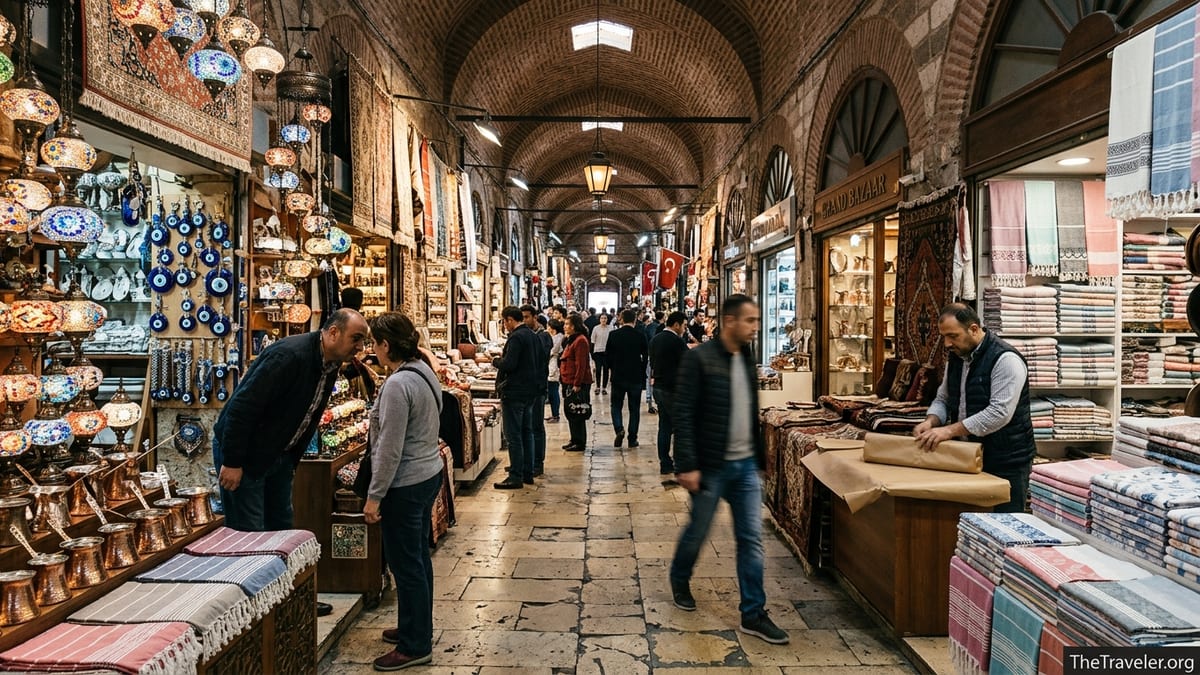
Know Before You Go: Essentials and Opening Hours
The Grand Bazaar, known locally as Kapalıçarşı, is usually open Monday to Saturday from about 9 a.m. to 7 p.m. Shops start pulling down their metal shutters from around 6:30 p.m., so if you arrive after 5 p.m. you will feel the bazaar winding down. It is closed every Sunday and also fully closed on major religious holidays such as Eid al Fitr and Eid al Adha. Around those dates some surrounding streets remain active, but the covered bazaar itself is typically shut. Always double-check your travel dates, because a Sunday or holiday miscalculation can cost you one of your most important Istanbul experiences.
For most travelers, a Grand Bazaar visit works best in the morning, roughly 9:30 a.m. to 1 p.m., when shopkeepers are fresh and aisles are busy but not yet packed with tour groups. In July and August, midday can be hot and crowded even under the stone vaults, so early starts are especially helpful. If you like to linger or are considering big purchases such as rugs or jewelry, set aside a full half day, not just an hour between museum visits.
Bring some Turkish lira in cash for small purchases and for toilets, which usually charge a small fee. Most established shops accept credit and debit cards, particularly for higher-ticket items like carpets, gold, and lighting. Some add a card surcharge or quote a slightly higher price if you do not pay in cash. If you plan to spend hundreds of euros or dollars, it is reasonable to ask whether cash will get you a better final price.
There is no formal dress code in the Grand Bazaar itself, but you will pass or combine the visit with mosques like Süleymaniye and the Blue Mosque, where knees and shoulders should be covered and women are expected to use a headscarf inside the prayer hall. Comfortable walking shoes and a light layer you can remove are more important than fashion, especially in warmer months.
Choosing Your Entry Gate and Mapping a Simple Route
The Grand Bazaar covers more than 60 streets under its roofs and has around 20 gates, but most visitors use a handful of main entrances. Beyazıt Gate is convenient if you are coming from the Beyazıt tram stop and the university square, while Nuruosmaniye Gate feeds in from the elegant shopping street of the same name, lined with modern boutiques. Çarşıkapı Gate sits closer to the Çemberlitaş tram stop and is a popular entry point for Istanbulites who know exactly which alleys they want to hit.
Rather than worrying about every gate, build a simple route: for example, enter through Nuruosmaniye Gate, walk toward the central domed area where jewelry shops cluster, then curve through carpet and textile streets and eventually exit near Beyazıt Gate. Think of it as an S-shaped walk from one side of the bazaar to the other. Open your map app before you step inside and download the area offline, because mobile signal can be weak beneath the domes and stone vaults.
If you already know your priorities, you can adapt this route. For gold or silver jewelry, aim for the streets near the central bedesten, where many long-established jewelers trade. For copperware and metal, head toward alleys where hand-hammered coffee pots and trays spill over the shop fronts. For ceramics, lamps, and textiles, the aisles close to Nuruosmaniye Gate and the surrounding streets are dense with options ranging from budget souvenirs to gallery-quality pieces.
To keep your visit manageable, mentally divide your time: perhaps 30 to 45 minutes to wander and “reconnaissance shop” without buying, one to two hours for serious browsing and negotiation in one or two chosen categories, and 30 minutes at the end to circle back for food, last-minute small items, or a return to a shop that left a strong impression.
Setting a Realistic Budget and Shortlist
The Grand Bazaar sells everything from 50 lira keychains to carpets that run into the tens of thousands. Before you cross any gate, decide on two things: what categories you genuinely want to buy, and how much you are comfortable spending in total. A clear shortlist keeps you from walking out with a suitcase full of impulse buys and no room left for something you truly care about.
As a rough guide in 2026, a simple glass evil eye bracelet may range from about 50 to 300 Turkish lira depending on size and workmanship. Good-quality Turkish towels or peshtemals often fall in the 250 to 600 lira range in the bazaar, while heavier bathrobes and multi-piece sets can easily cost more. Hand-painted ceramics such as bowls or plates vary widely; small decorative bowls might start around 150 to 300 lira, and large, detailed serving platters can climb to several thousand lira in artisan-focused shops.
Textiles are a classic Grand Bazaar purchase. Machine-made silk-blend scarves can be surprisingly affordable, while hand-loomed silk or pashmina scarves carry a much higher price tag. A decent, attractive scarf might land somewhere between 400 and 1,200 lira depending on material and design, while pure silk items from well-known workshops sit significantly higher. Carpets are the biggest budget item. Small, hand-knotted wool rugs can begin in the low hundreds of euros or equivalent, while antique or silk-on-silk pieces can climb to many thousands. If you are not prepared for a long conversation, tea, and a detailed explanation of knot counts and provenance, consider admiring the carpets rather than committing to one.
Once you have a total number in mind, set aside a portion for impulse finds. Perhaps you budget 8,000 lira for your day, with 5,000 reserved for a large item like a rug, 2,000 for gifts such as towels, ceramics, and nazar charms, and 1,000 for small extras and food. Keeping a running tally on your phone notes helps you stay within that range even as you switch between currencies in your head.
First Hour: Orientation, Browsing, and Quick Reality Checks
Use your first hour inside the Grand Bazaar like a warm-up rather than a shopping sprint. Walk slowly along a couple of main streets and side alleys just to get a feel for typical prices and quality. Note how often you see the same lamp design or ceramic pattern repeated. Common, mass-produced items are fine if you like the aesthetic, but you should not pay gallery prices for something sold on every second corner.
During this reconnaissance phase, take photos of items and discreetly note the price. For example, if you see a hand-painted tulip motif ceramic bowl for 400 lira at one stall and almost the same piece for 800 lira a few aisles away, you will know that the higher price has plenty of negotiating room. If a shopkeeper immediately starts with a large number in euros or dollars for something you have seen cheaper in lira, that is also a useful reference point for later bargaining.
This is a good time to calibrate your expectations about friendliness and sales pressure. Most vendors will call out invitations like “My friend, where are you from” or “Just looking is free.” A simple smile and “Just looking, thank you” works almost everywhere. If someone is overly insistent, you can move on without guilt. The bazaar is big enough that you do not need to reward pushy behavior with your business.
Use a quiet corner or a café for sanity checks. Many visitors step out briefly to Arasta Bazaar near the Blue Mosque or to Kadıköy’s market on the Asian side to compare prices for similar goods. Even if you do not have time for that, a quick scan of prices in less touristy neighborhoods during your stay will inform what feels reasonable inside the Grand Bazaar.
Bargaining, Payment, and Avoiding Common Pitfalls
Bargaining in the Grand Bazaar is not a battle; it is a ritual. Once you are genuinely interested in a piece, ask the price and listen carefully. In many shops, especially for rugs, jewelry, lamps, and larger textiles, the first quote will be significantly above the amount the seller hopes to get. A common strategy is to counter around half of the opening offer and expect to meet somewhere around 60 to 70 percent of that first number if you continue negotiating in a friendly, unhurried way.
Keep your tone relaxed and smiling. You might say, “It is beautiful, but my budget is closer to 1,000 lira rather than 1,800. Is there any flexibility” If the seller comes down a little and you move up a little, you are probably in normal territory. If the seller refuses to budge or pressures you to decide immediately, it is fine to thank them and walk away. Often, they will call you back with a better price; if not, another shop will have something similar.
With higher-value purchases, especially jewelry and carpets, ask practical questions. Is the piece gold-plated or solid gold, and what carat Is there a hallmark or stamp Can they provide a written receipt stating the materials and price Are stones natural or synthetic A reputable jeweler will answer calmly and show you details under a loupe. For carpets, ask where it was woven, whether dyes are natural or synthetic, and whether the piece is new or vintage. Be cautious about any seller who describes something casually as “antique” without documentation; exporting genuine antiquities without a museum certificate is illegal.
Before you hand over your card, double-check the amount in local currency on the payment terminal and on any paper slip. Card skimming and incorrect charges are not the norm, but they do happen. Pay in lira rather than letting the terminal convert to your home currency, as dynamic currency conversion often gives you a worse rate. For big-ticket items, verifying that the name on the receipt matches the shop sign and the card slip provides extra peace of mind if you need to raise a dispute later.
What to Buy Where: From Evil Eyes to Carpets
Some categories are particularly well suited to the Grand Bazaar. Evil eye charms are everywhere, from tiny glass beads to large wall hangings. For example, a stall might offer simple string bracelets at around 50 to 100 lira, with more elaborate hand-blown glass pendants reaching a few hundred lira. Watch for small air bubbles and slightly irregular shapes in handmade glass, and avoid very cheap resin pieces if you care about authenticity.
Textiles and towels are another strength. Look for shops that stack neatly labeled peshtemals in cotton and linen blends, with clear indications of fabric composition. A mid-range hammam towel that feels dense but dries quickly is more useful in everyday life than a heavy, “luxury” piece that never leaves your linen closet back home. If you spot brands or tags you have already seen in quality hotels or hammams in the city, that can be a positive sign.
Ceramics are visually irresistible but take up space and weight in your luggage. Smaller bowls, tea light holders, and tiles travel better than huge platters. Some boutiques inside and just outside the bazaar specialize in İznik-style designs or carry work from specific workshops in Kütahya or elsewhere in Turkey. Prices there are higher than in touristy souvenir rows, but the glazing, design sharpness, and color depth also tend to be better. If you fall in love with a larger piece or a mosaic lamp, ask about shipping. Many shops work with mainstream carriers and provide tracking numbers; factor shipping fees into your bargaining from the start.
Rugs and kilims deserve their own strategy. A typical visit to a carpet shop involves tea, multiple layers of rugs being unrolled one after another, and a thorough mini-lesson in symbols and knot density. Decide in advance whether you are truly in the market for a rug, and communicate your budget early to avoid wasting anyone’s time. A sincere “We love looking but are not buying carpets on this trip” will usually be respected after a few minutes of browsing and conversation.
Logistics, Comfort, and Safety Inside the Labyrinth
Despite its romantic image, the Grand Bazaar is a working commercial district. Deliveries roll through early in the morning, cash and gold change hands all day, and hundreds of thousands of people can pass through on peak summer days. Basic urban awareness will keep you comfortable. Wear your bag cross-body and zipped, keep your phone secure, and avoid waving large stacks of cash when paying. Serious crime is rare in the central aisles, but pickpocketing can happen in any crowded marketplace.
Plan short breaks. Many of the hans, or old caravanserai courtyards connected to the bazaar, hide small tea gardens and casual eateries. A typical tea or Turkish coffee is usually affordable, and simple dishes like lentil soup, köfte, or gözleme make a good reset before you go back into negotiation mode. Use these pauses to review your purchases, tally your spending, and decide whether you are still looking for anything specific.
The bazaar can feel visually overwhelming. If you travel with children or in a group, agree on a meeting point, such as a particular gate or a recognizable corner café, in case you get separated. Taking a quick photo of building features or a shop sign near your meeting place helps you find it again through the maze of similar alleys.
Finally, remember that shop staff work long days and often speak several languages. A few Turkish phrases like “Merhaba” for hello, “Teşekkürler” for thank you, and “Çok pahalı” to say “very expensive” break the ice and usually earn a smile. Polite firmness goes much further than confrontation if you are not interested in an offer.
The Takeaway
A rewarding day at the Grand Bazaar does not happen by accident. It starts with knowing the practical basics: open Monday to Saturday, closed Sundays and major religious holidays, and at its liveliest from mid-morning onward. Choosing a simple route through one or two main gates makes the immense market feel less like a maze and more like a series of discoverable neighborhoods, each with its own specialties.
Going in with a clear budget and a shortlist of preferred items keeps you focused when the colors and sales pitches start to blur together. Using your first hour to compare prices, observing how bargaining works in practice, and taking regular breaks to check your spending all help you avoid impulse regrets. When you do decide to buy, straightforward, friendly negotiation and basic checks on quality, receipts, and payment amounts are usually enough to ensure fair deals.
In the end, the Grand Bazaar is less about scoring the absolute lowest price and more about the experience of engaging with a centuries-old trading culture. If you leave with a towel you use at the gym, a ceramic bowl that brightens your kitchen, or a small nazar that reminds you of Istanbul every morning, you have shopped it well. With a bit of planning and a measured pace, this legendary market becomes not a test of endurance, but one of the most memorable chapters of your trip.
FAQ
Q1. What are the current opening days and hours of the Grand Bazaar
The Grand Bazaar is generally open Monday to Saturday from around 9 a.m. to 7 p.m., with many shops starting to close from about 6:30 p.m. It is closed every Sunday and also closes on major religious holidays.
Q2. How much time should I plan for a first visit
Most first-time visitors should plan at least three to four hours, including time to orient themselves, browse, bargain for one or two key purchases, and take a break for tea or lunch.
Q3. Is bargaining always expected, and on what items
Bargaining is expected on most non-food items such as textiles, lamps, ceramics, jewelry, and carpets. Fixed prices are more common for packaged food, basic souvenirs, and in some modern-style boutiques, where haggling is minimal or not practiced.
Q4. What is a reasonable first counteroffer when negotiating
A common approach is to start at about half of the initial asking price for higher-margin goods, then move gradually toward roughly 60 to 70 percent of that first number if both you and the seller remain engaged in friendly negotiation.
Q5. Can I pay by credit card, or should I bring only cash
Most established shops accept major credit and debit cards, especially for higher-value items, but smaller stalls may prefer cash. Some shops offer better prices for cash or add a small card surcharge, so carrying a mix of cash and cards is best.
Q6. How can I avoid buying fake or low-quality items
Examine workmanship closely, compare several shops before committing, and ask direct questions about materials and origin. Look for hallmarks on precious metals, clear labeling on textiles, and consistent glazing on ceramics. Be wary of high-pressure sales and vague claims of antiquity.
Q7. Is it safe to buy gold or jewelry at the Grand Bazaar
Many reputable jewelers operate in the bazaar, and locals regularly buy gold there. Choose shops with a professional presentation, clear pricing, and hallmarked items, ask for receipts detailing carat and weight, and avoid deals that seem unusually cheap for the claimed quality.
Q8. Can I ship large purchases like carpets or lamps home
Yes. Many carpet and lamp shops can arrange international shipping through well-known courier companies. Confirm shipping costs, insurance, delivery time, and tracking details in writing before paying, and keep copies of invoices and receipts.
Q9. Are prices at the Grand Bazaar higher than in other parts of Istanbul
Prices can be higher in the most touristy aisles, especially if you do not bargain, but the bazaar also contains competitive, local-oriented shops. Comparing a few quotes and having a sense of city-wide prices helps you distinguish fair offers from inflated ones.
Q10. What should I do if I feel overcharged or scammed
If you notice a serious discrepancy in a card charge or feel you were misled, return to the shop immediately and raise the issue calmly. If that fails, you can seek help from security or local police near the bazaar and contact your card provider to dispute the transaction.