


More news on this day
A Republic Airways Embraer E175 operating as Flight RPA4804 from New York John F. Kennedy International Airport to Raleigh-Durham International Airport diverted to Philadelphia on Tuesday, disrupting travel plans for passengers expecting a routine domestic evening flight.
Get the latest news straight to your inbox!
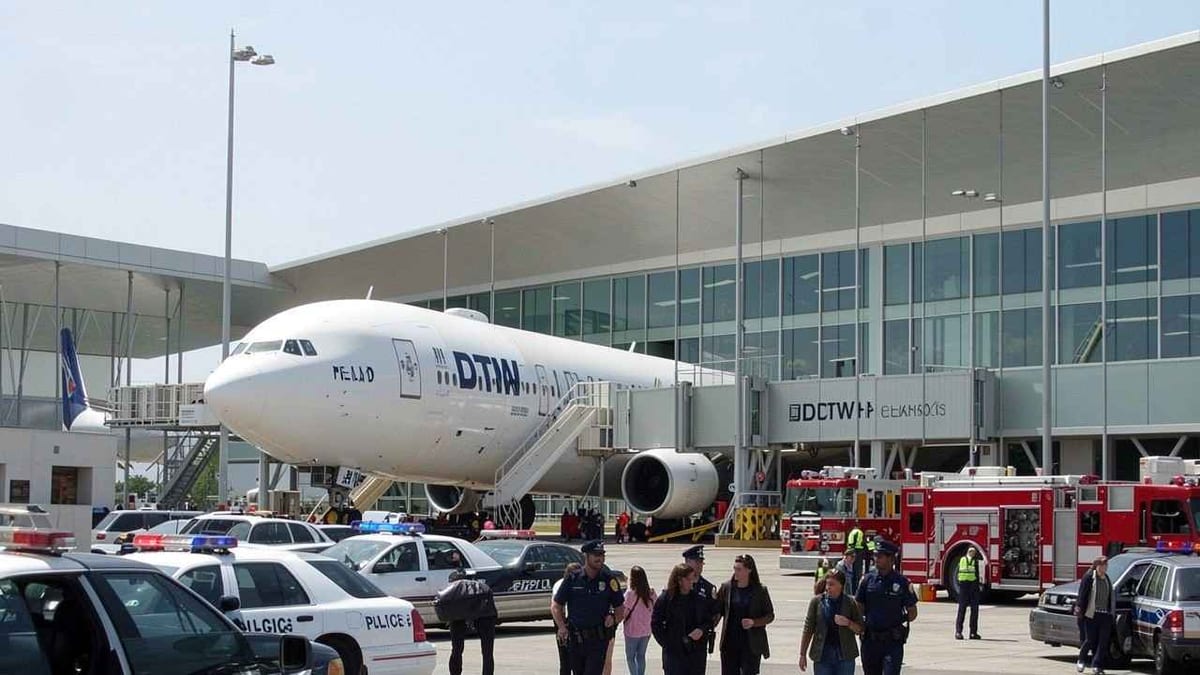
Unexpected Route Change On A Short-Haul Domestic Flight
Publicly available flight tracking data indicate that RPA4804 departed New York JFK on schedule and initially followed a typical routing toward central North Carolina before altering course midflight. The aircraft, an Embraer E175 operating a regional service under a major U.S. carrier brand, turned northeast instead of continuing toward Raleigh-Durham International Airport and proceeded toward the Philadelphia area.
The diversion occurred during what would normally be a straightforward short-haul sector between two major East Coast hubs. Instead of descending toward Raleigh-Durham, the jet leveled off and adjusted track, adding significant time to the journey and prompting uncertainty among travelers watching the changing route on in-flight maps and mobile flight-tracking apps.
According to aviation schedule databases, RPA4804 is part of a dense regional network that links New York with key business and leisure markets in the southeastern United States. Diversions on such routes are relatively rare but can have a knock-on effect, particularly during peak travel periods in summer when aircraft and crew rotations are tightly scheduled.
Initial tracking logs show the Embraer E175 continuing to Philadelphia International Airport, where it later landed safely. The aircraft then joined standard ground traffic flows, with airline and airport teams working to accommodate affected passengers and reestablish the aircraft in the carrier’s operating program.
Impact On Passengers: Missed Connections And Overnight Disruption
The diversion from Raleigh-Durham to Philadelphia created immediate complications for travelers who had planned onward connections, ground transportation and hotel stays in North Carolina. Instead of arriving at their intended destination, passengers disembarked at a different hub several hundred miles north, facing the prospect of rebooking and extended delays.
Based on comparable diversion events involving Republic Airways regional services in recent weeks, re-accommodation typically involves a mix of same-day standby options, confirmed seats on later services, and in some cases overnight arrangements when no suitable onward flights are available. Travelers on RPA4804 were likely offered a combination of rebooked itineraries to Raleigh-Durham and alternative routings to nearby airports in the region, depending on seat availability and timing.
For some passengers, the disruption would have translated into missed evening meetings, delayed vacation starts or late-night drives after a rebooked arrival. Those with checked baggage faced additional uncertainty while airline teams traced and redirected luggage to match revised itineraries. The experience mirrors other recent Republic Airways diversions on domestic routes, where travelers encountered extended waits while operations teams reset schedules and repositioned aircraft.
Families with children, business travelers on tight timelines and visitors unfamiliar with the Philadelphia area were all likely affected. Publicly shared accounts from similar incidents suggest that passengers often spend several hours in terminal areas awaiting updated flight information, meal vouchers, and guidance on hotel options when overnight stays become necessary.
Operational And Weather Factors Behind Diversions
As of today, no single definitive reason has been publicly documented for the RPA4804 diversion from Raleigh-Durham to Philadelphia. However, recent patterns in regional operations indicate that a combination of weather, air traffic management and operational constraints frequently drives such decisions on U.S. domestic routes.
Published coverage of other Republic Airways diversions in 2026 describes a range of scenarios, including coastal weather systems near Nantucket, air traffic flow restrictions around New York terminals, and localized thunderstorm activity that can temporarily limit arrivals at busy airports. In each case, the operating crew and airline operations teams elected to divert to alternate airports where landing slots, ground handling and maintenance support were more readily available.
Philadelphia International Airport plays a central role in several major airline networks and regularly serves as an alternate for flights to and from New York and the Mid-Atlantic. When conditions deteriorate or traffic congestion intensifies near a planned destination, diverting to Philadelphia can help ensure access to gates, fuel services and potential replacement crews, even if that choice extends passenger journey times.
Onboard, such diversions are managed through standard operating procedures. Crews evaluate fuel status, weather reports, runway conditions and air traffic advisories before committing to an alternate airport. While passengers may experience sudden course changes or holds in the air, these maneuvers form part of routine risk management designed to prioritize a safe arrival over schedule adherence.
Ripple Effects Across The Regional Network
The disruption to RPA4804 did not affect only those seated on the diverted flight. An unplanned change of destination can reverberate through an airline’s broader schedule as aircraft and crews are left out of position for subsequent legs. The Embraer E175 involved in the JFK to Raleigh-Durham service was likely scheduled to operate additional sectors later in the day, which may have been delayed, reassigned to substitute aircraft, or canceled.
Regional carriers such as Republic Airways typically fly tight rotations, turning aircraft around quickly at each stop to maximize utilization. When one leg diverts, subsequent flights in that rotation often require rapid rescheduling. According to operational analyses of similar events, this can lead to gate changes, last-minute crew swaps, and revised departure times at multiple airports downstream.
For airports like Raleigh-Durham, a missed inbound aircraft may result in a canceled or significantly delayed departure for passengers booked on the next planned service. For Philadelphia, an unexpected arrival like RPA4804 can add to gate pressure and require adjustments to ramp operations, even though the airport is well equipped to handle diversions as part of daily traffic management.
Travelers connecting onto regional routes in the evening are particularly vulnerable to these ripple effects, as the later in the day a disruption occurs, the fewer alternative flights remain. While many passengers may eventually reach their final destinations within hours of the original schedule, others can experience overnight stays and rebooked travel the following day.
What Travelers Can Learn From The RPA4804 Diversion
Events such as the RPA4804 diversion underline the importance of flexibility when traveling on tightly timed domestic itineraries. Industry observers often point out that diversions, while disruptive, are generally made to keep flights within safe operational margins and to maintain orderly air traffic flows in complex, congested airspace along the U.S. East Coast.
Passenger experiences from comparable diversions suggest several practical takeaways. Keeping airline mobile apps and flight-tracking tools handy can provide earlier indications of changed routings or new arrival airports, sometimes before detailed terminal announcements are available. Travelers connecting onward may also benefit from proactively reviewing alternative routings and nearby airports that can serve as workable substitutes if rebooking is needed.
In addition, carrying essential items in hand luggage, such as medications, travel documents and basic toiletries, can ease the strain if checked bags are temporarily separated from passengers during an unexpected diversion. For those with time-sensitive commitments at their destination, building buffer time into schedules and considering travel a day earlier can help mitigate the risk posed by summer weather patterns and heavy traffic in corridor airports like New York, Philadelphia and Raleigh-Durham.
For now, RPA4804 joins a series of 2026 regional flight diversions that highlight both the resilience and the fragility of the domestic air travel system. While the Embraer E175’s diversion to Philadelphia extended the journey and upended plans for many on board, publicly available information indicates that the aircraft landed safely and that the focus quickly shifted to restoring disrupted travel plans across the network.