


More news on this day
Saudi regulators have issued a public warning against filming or sharing images of missile and drone interception sites after a deadly strike on Riyadh’s King Khalid International Airport disrupted flights and sharpened security concerns for travelers using Saudi airspace.
Get the latest news straight to your inbox!
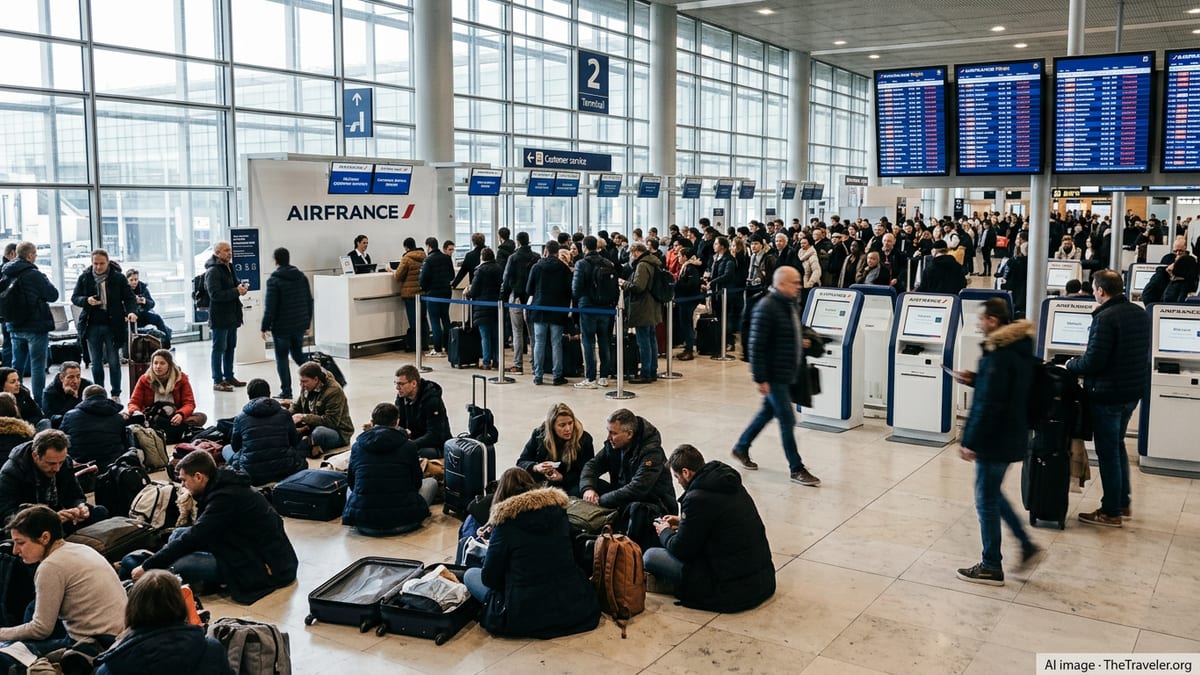
Deadly strike on King Khalid International Airport
King Khalid International Airport in Riyadh, one of the Gulf region’s key aviation hubs, has been the target of a series of attacks in recent days, culminating in a missile strike that Saudi civil aviation authorities say killed 12 people and injured more than 300. The incident, reported over the weekend, is described in regional and international coverage as the deadliest single strike on a Gulf Arab country since the current conflict involving Iran and Iran-aligned groups escalated.
Reports indicate that the latest missile hit facilities serving domestic flights at the airport, following two earlier attacks on the same site that left at least three Saudi citizens dead and multiple others wounded. The General Authority of Civil Aviation has stated that the victims of the most recent strike include Saudi nationals and foreign citizens from several countries, with dozens of those injured listed in critical condition.
Images and video verified by news organizations show thick smoke and flames rising from areas near passenger terminals, while flight-tracking data reviewed by media outlets point to hundreds of flight cancellations and diversions over a 24 to 48 hour period. The attack has turned Riyadh’s main gateway into a focal point of regional tensions and raised urgent questions about the safety of civilian aviation in and out of Saudi Arabia.
Operations at King Khalid International Airport were temporarily suspended to allow emergency teams and technical specialists to assess damage and verify the structural safety of terminals, aprons and runways. According to published updates, flights gradually resumed once inspections were completed, but schedules remain volatile and travelers are being advised to check airline notifications frequently.
New warning against filming interceptions and impact sites
In the wake of the Riyadh airport strike, Saudi Arabia’s Transport General Authority and Ministry of Interior have reiterated and expanded an earlier national warning that photographing, filming or sharing material related to missile and drone interceptions is prohibited. Publicly available statements emphasize that posting images or video of interception operations or impact locations on social media or other digital platforms can lead to legal liability.
According to recent coverage from Saudi and regional outlets, the warning applies to citizens, residents and visitors. It explicitly covers footage of defensive systems engaging incoming missiles or drones, as well as images of debris, craters or damaged infrastructure after an attack. The guidance frames such material as sensitive security information whose uncontrolled circulation could assist hostile actors or spread misinformation during fast-moving incidents.
The renewed message builds on a policy originally highlighted in March 2026, when the Ministry of Interior issued a similar nationwide notice about sharing interception footage. At that time, the ministry stressed that safeguarding information about air defense responses was considered part of wider national security protections during a period of elevated regional tension.
For travelers, the updated language means that filming what might seem like dramatic skyline scenes of interceptor launches, visible debris trails or emergency response activity near airports carries clear legal risk. Travel advisories and regional travel media are now underlining that visitors should refrain from recording or posting any images that show active missile or drone engagements or their impact zones, even if they are captured from hotel windows, airport lounges or roadside vantage points.
Implications for air travel and safety advisories
International aviation and government safety bodies have reacted to the Riyadh airport attacks by reviewing risk assessments for Saudi airspace. Europe’s aviation safety agency has highlighted that recurrent missile and drone activity, along with the activation of air defense systems, increases the risk of misidentification of civil aircraft and creates additional hazards from interception debris or falling fragments.
Travel advisories from several governments, including the United States and the United Kingdom, now refer explicitly to the threat of missile and drone strikes against airports and other critical infrastructure in Saudi Arabia. The latest U.S. travel advisory for the kingdom, updated in October 2026, places the country at a “Reconsider travel” level, citing the risk of drone and missile targeting, armed conflict and concerns about social media use that may conflict with local laws. British guidance similarly notes that airports and aviation facilities could face sudden disruption and warns that further attacks may result in abrupt airspace closures and flight cancellations.
Recent reporting indicates that hundreds of flights to and from Riyadh have been canceled or rescheduled since the first strikes on King Khalid International Airport this month. Airlines have rerouted some services through alternative hubs, while others have temporarily suspended operations pending updated security assessments. Passengers transiting through the Gulf region may encounter longer journey times, last-minute schedule changes and extended layovers as carriers adjust routes around perceived high-risk areas.
For travelers who still plan to use Riyadh as a gateway, aviation analysts quoted in specialist travel and business media recommend building in generous connection times, maintaining close contact with airlines via mobile apps and monitoring both carrier alerts and official government advisories. Many carriers allow no-cost rebooking or refunds when routes are affected by security incidents, but policies vary and can change quickly as events unfold.
Guidance for visitors navigating Saudi security rules
Beyond the immediate disruption to flights, the Riyadh airport attacks highlight the importance of understanding local security regulations and social media laws for anyone visiting Saudi Arabia. Official advisories and regional reporting stress that activities that may seem routine elsewhere, such as posting real-time footage of emergency responses or military activity, can carry legal consequences inside the kingdom.
Travel guidance compiled by foreign ministries and travel bureaus notes that visitors should avoid photographing government buildings, military sites, security checkpoints and critical infrastructure such as airports, oil facilities and border areas. The latest warning about missile and drone interception footage confirms that this caution extends to aerial defense operations and their aftermath, even when those events occur within view of civilian neighborhoods or commercial areas.
Travel publications covering the Riyadh incident advise tourists and business travelers to treat any visible interception or explosion as a signal to move to a safe indoor location, follow the instructions of local security personnel and avoid crowds that may gather to watch or record events. Capturing or sharing videos may be illegal and could also distract from more important priorities such as seeking shelter, checking airline updates and contacting family or colleagues.
Visitors are also being reminded to review their public social media content while in Saudi Arabia and to exercise caution before posting about political, military or security-related topics. Some travel advisories reference past cases in which online activity has led to questioning or legal consequences, underscoring that standards applied by local authorities can differ significantly from those in travelers’ home countries.
What travelers should know before flying to Riyadh
For travelers considering upcoming trips to Riyadh, the latest events have turned pre-departure planning into a more detailed exercise. Travel experts and news outlets suggest checking, in sequence, the current national travel advisory issued by the traveler’s home government, the status alerts published by airlines operating into King Khalid International Airport and local media reports on the security situation in and around Riyadh.
Because the situation remains fluid, some sources recommend avoiding tight connections through Riyadh, especially for long-haul itineraries, and considering alternative hubs in the region where airlines offer flexible rebooking options. Where travel is essential, passengers may wish to choose airlines that have clearly communicated contingency plans and allow free changes if security alerts trigger sudden airport closures or route suspensions.
Within Saudi Arabia, travelers are encouraged to keep copies of identification documents with them, register contact details with their embassy or consulate when possible and maintain a low profile in crowded public spaces. Hotels in Riyadh that cater to international guests have in many cases updated security briefings, directing guests on where to shelter in the event of sirens, interception fire or nearby explosions.
The renewed warning against filming missile and drone interception sites is now a central element of this evolving security picture. For visitors, it reinforces a simple rule: during any aerial security incident, prioritize safety, follow local guidance and keep phones in pockets rather than pointed at the sky.