


More news on this day
South Korea’s foreign ministry is urging its citizens to leave Saudi Arabia and is raising its travel alert for the kingdom, as escalating attacks by Yemen’s Houthi movement heighten risks for residents, business travelers and transit passengers across the region.
Get the latest news straight to your inbox!
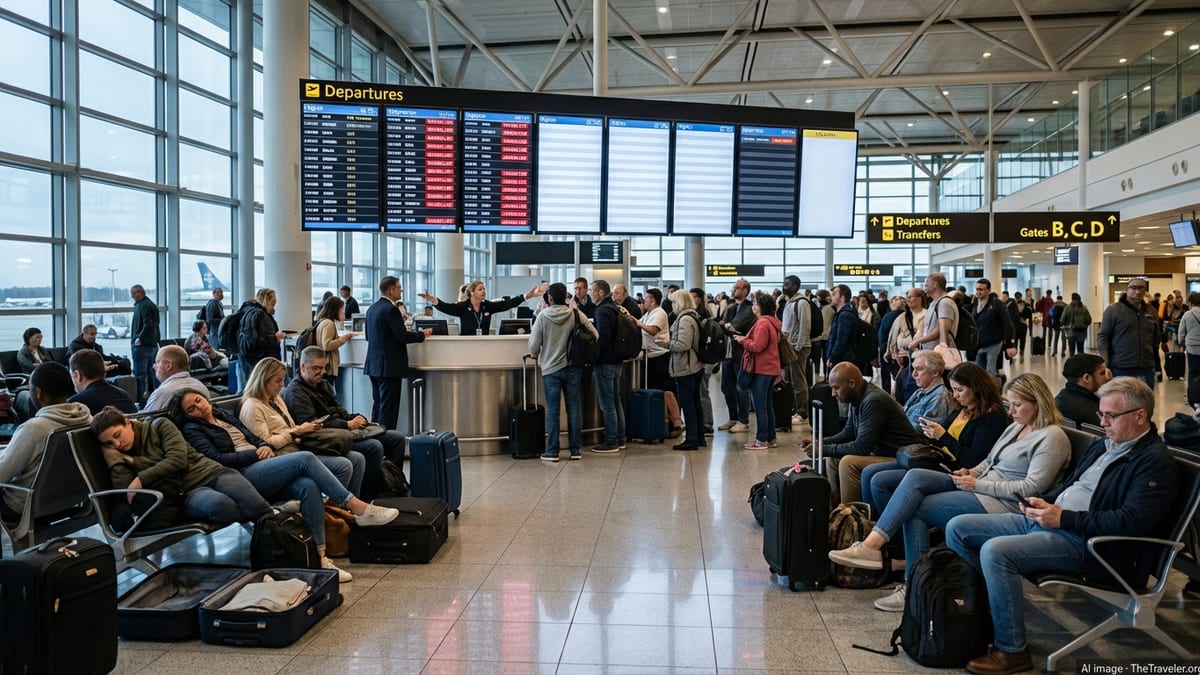
Travel alert for Saudi Arabia raised to departure advisory
According to recent public announcements, South Korea has elevated its travel advisory for all of Saudi Arabia to Level 3, described as a departure recommendation, effective from the late evening of October 11, 2026. This step means the entire country is now covered by guidance that South Korean nationals should avoid nonessential travel and, if already in the country, consider leaving unless they have urgent reasons to stay.
Previous advisories focused on specific high‑risk areas, including parts of the western oil and port city of Yanbu, the Ras Tanura refining hub, the Shaybah oil field zone, and areas near Prince Sultan Air Base. Those locations had already been categorized as Level 3 due to earlier strikes and security concerns around critical energy and military infrastructure. With the latest adjustment, that level of caution has been extended to all regions of Saudi Arabia, including major cities such as Riyadh, Jeddah and Dammam.
Publicly available guidance from South Korea’s overseas travel safety portals explains that a Level 3 notice is intended to prompt citizens to leave when circumstances allow and to discourage any new trips that are not strictly necessary. It also reminds travelers that visiting certain separately designated prohibited zones without special permission can lead to penalties under South Korean passport regulations.
Houthi attacks widen to civilian and economic targets
The decision to tighten the advisory follows a series of missile and drone attacks attributed to Yemen’s Houthi forces against Saudi territory. Recent reporting describes strikes and attempted strikes on airports, oil processing plants and other key economic facilities in the kingdom, contributing to a broader security crisis that has been unfolding across the Middle East for much of 2026.
South Korea’s foreign ministry recently issued a formal condemnation of Houthi attacks that have targeted civilian and economic facilities in Saudi Arabia, and called for an immediate halt to such actions. International coverage notes that these operations have involved long‑range drones and projectiles launched from Yemeni territory toward Saudi oil infrastructure and urban areas, raising concerns about collateral damage and disruptions to global energy supplies.
Regional tensions have also been exacerbated by confrontations involving Iran, the United States and other actors in nearby waterways, including the Red Sea and the approaches to the Bab el‑Mandeb and Hormuz straits. South Korean government notices over recent months have drawn attention to the heightened risk to shipping and aviation routes, particularly for tankers and container vessels serving Saudi ports on both the Red Sea and Gulf coasts.
Guidance for South Koreans currently in Saudi Arabia
Public advisories emphasize that South Koreans who are currently in Saudi Arabia should prioritize their safety, avoid areas that may be considered potential targets, and prepare to depart if they do not have compelling reasons to remain. The recommendation is particularly strong for short‑term visitors such as business travelers, international students, technicians on rotational assignments and tourists transiting through major Saudi hubs.
Embassy notices from Riyadh indicate that international airports in Riyadh, Jeddah and Dammam continue to operate, though flight schedules may be subject to disruption during periods of heightened alert or attempted attacks. Previous safety messages have highlighted instances of temporary delays and cancellations linked to missile and drone activity, and have urged passengers to stay in close contact with their airlines to confirm departure times and routing changes.
South Korean nationals in Saudi Arabia are being encouraged, through open public communications, to ensure that their contact details are registered with the embassy or consulate, to monitor local news and official announcements, and to keep essential documents ready in the event rapid departure becomes necessary. Travelers are also advised to avoid nonessential movements near oil installations, military sites, diplomatic compounds and major government buildings, particularly in and around Riyadh, the Eastern Province energy corridor and Red Sea ports.
Impact on travel plans and regional connections
The strengthened advisory for Saudi Arabia adds to a wider patchwork of travel warnings that Seoul has introduced across the Middle East since early 2026. Earlier this year, the foreign ministry issued a temporary special travel alert covering several Gulf and Levant states in response to escalating armed clashes and air strikes, while separately upgrading alerts for certain border zones and conflict‑adjacent areas.
For travelers based in or transiting through the United States, Europe or Asia, these measures can have a knock‑on effect on itineraries that connect via Riyadh, Jeddah or other Saudi gateways. Airline schedule changes, the possibility of rerouted flights around high‑risk airspace, and insurance restrictions linked to travel advisories may all influence ticket availability and costs. Public information from airlines operating in Saudi Arabia shows that services are still running on many key routes, but warns of potential last‑minute adjustments as the security situation evolves.
Travel industry observers note that business travel linked to energy, construction and logistics projects in Saudi Arabia faces particular uncertainty. Companies with South Korean staff in the kingdom are reviewing contingency plans, including relocation to neighboring states, remote work arrangements or temporary suspension of on‑site activities, in line with the government’s departure recommendation.
What prospective visitors should consider now
For those in South Korea or elsewhere who were planning upcoming trips to Saudi Arabia, the raised Level 3 advisory is a clear signal to reassess. Publicly accessible guidance urges prospective travelers to postpone or cancel nonessential visits while the alert remains in place, taking into account the possibility of sudden escalations, route closures or disruptions to local services.
Individuals who believe they must travel for unavoidable reasons are advised, based on recent official notices, to conduct a thorough risk assessment before departure. This includes checking airline operations into specific Saudi airports, confirming the status of project sites and accommodations, ensuring that comprehensive travel and medical insurance covers high‑risk destinations, and preparing contingency routes through alternative regional hubs if needed.
South Korea’s foreign ministry has indicated in its public materials that it will continue to monitor developments in Saudi Arabia and the surrounding region closely, and will adjust travel advisories as conditions change. Until then, the message to its citizens is clear: exercise a high degree of caution and, wherever possible, avoid remaining in Saudi Arabia while Houthi attacks and broader regional tensions persist.