


More news on this day
Rome’s main airports are warning that they may halt use of the European Union’s new biometric passport system during the peak summer season, amid growing concern that the technology is contributing to hours-long queues and the risk of a “disaster” for travelers.
Get the latest news straight to your inbox!
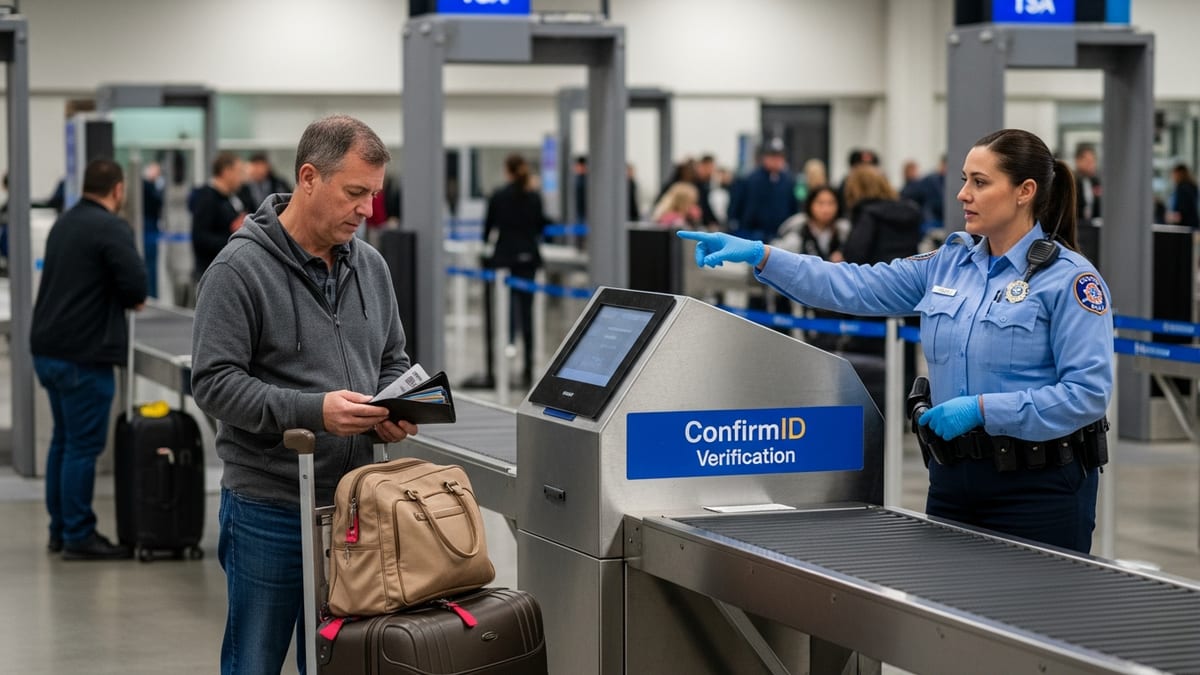
Rome airports sound alarm over biometric border checks
The Entry/Exit System, or EES, is the EU’s new digital border database for non-EU nationals, replacing manual passport stamping with biometric registration at external Schengen borders. Non-EU travelers, including visitors from the United States and the United Kingdom, must have their fingerprints and facial images captured the first time they enter.
According to recent Italian and international coverage, the company managing Rome’s Fiumicino and Ciampino airports has warned that the system is not coping with peak passenger flows. Publicly available reports indicate that Aeroporti di Roma chief executive Marco Troncone has described the risk of chaos as high if current procedures remain in place for the busiest weeks of the summer season.
Local media accounts from Fiumicino describe lengthy queues forming at passport control as passengers attempt to enroll in the system, with some kiosks reportedly taking several minutes per traveler or being taken offline for resets. While the technology is intended to improve security and streamline future crossings, the initial registration process has become a bottleneck at some terminals.
Faced with mounting delays, Rome’s airport operator has signaled that suspending the mandatory use of EES during the height of the travel season may be necessary. Reports indicate that the company is pressing for flexibility to prioritize keeping lines moving, even if that means reverting to traditional passport stamping and manual checks at busy periods.
Emergency flexibility and talk of a suspension window
In recent weeks, European travel and business publications have reported that Italian authorities are preparing emergency measures that could allow airports to bypass the new system when queues exceed a set threshold. Some coverage refers to the possibility of temporarily reverting to manual controls whenever lines stretch beyond roughly 45 minutes, particularly at major gateways such as Rome and Milan.
Commentary in Italian economic outlets suggests that, for Rome, a temporary suspension could apply throughout the peak summer window, with a notional end date around late September. Under this approach, EES infrastructure would remain in place, but front-line border police could rely on conventional passport stamps at times of stress to avoid gridlock in arrival halls.
Such flexibility is in line with broader industry calls for contingency powers. Airport and airline groups at the European level have previously urged EU institutions to confirm that member states retain the ability to partially or completely suspend EES operations during high-traffic periods if service levels deteriorate. Their position is that maintaining safe, predictable passenger flows must take priority while teething problems with the new technology are resolved.
Rome’s warning adds weight to these appeals, highlighting how quickly border queues can spiral at major hubs when an additional biometric step is added for millions of first-time registrants. A temporary relaxation in enforcement is being framed by commentators as a safety valve rather than a retreat from digital border management.
Systemic strain across Europe’s main holiday gateways
Rome is not alone in reporting difficulties with the rollout of EES. Earlier in the spring, coverage from other Schengen airports described passengers waiting up to several hours at passport control as new kiosks and databases were brought online. Travel reports from airports in Italy, Spain and Portugal have drawn attention to inconsistent performance, with some terminals reverting to manual checks when systems faltered.
European airport and airline associations have issued joint statements warning that, without further adjustments, border queues could regularly reach two to four hours at peak times in popular holiday destinations. Industry briefings stress that every non-EU traveler who has not yet enrolled in EES requires extra time at the checkpoint, multiplying the effect in crowded arrival halls when several wide-body flights land in quick succession.
Publicly available information from aviation groups highlights a growing disconnect between official assessments that EES is broadly functioning and on-the-ground experiences of long lines, missed connections and delayed departures. Carriers focused on leisure travel have been particularly vocal, arguing that repeated bottlenecks at Schengen borders risk deterring visitors and damaging Europe’s reputation as an easy and attractive destination.
Rome’s airports, serving one of the continent’s most visited cities, have become a high-profile example of this strain. Their warning about a potential suspension underscores concerns that the first full summer of EES could test the resilience of the entire European air travel system.
What EES means for non-EU travelers this summer
For travelers from outside the EU and Schengen area, EES changes what happens at passport control. Instead of receiving a stamp alone, eligible passengers must undergo a one-time biometric enrollment when they first enter. This typically involves scanning a passport, capturing fingerprints, and taking a live facial image before a border guard completes the inspection.
Once registered, subsequent trips are expected to be faster, as the system will confirm entries and exits digitally and track the number of days spent in the Schengen zone. However, the early stages of rollout mean large numbers of tourists are still encountering the process for the first time, which is where the current delays are concentrated.
Reports from recent weeks at Rome and other gateways suggest that processing times can vary significantly. Some travelers describe moving through in under an hour, while others have reported waits of two hours or more on busy days. Technical outages, unfamiliarity with the kiosks, and limited staffing at some border posts have all been cited in public accounts as contributing factors.
If Rome’s airports are permitted to relax EES use during the coming peak, non-EU travelers could find that their experience depends heavily on the time, place and conditions of arrival. At quieter periods or at airports where the system is running smoothly, biometric checks may proceed as designed. At congested times in Rome, however, travelers might instead encounter more traditional lines for manual passport inspection, at least temporarily.
Pressure builds for broader EU review
The situation in Rome is feeding into a wider debate about how quickly and rigidly the new border regime should be enforced across Schengen countries. Industry organizations representing airports and airlines have been calling for a structured review of EES performance ahead of peak traffic months, with an emphasis on practical adjustments over the short term.
Recent position papers from aviation groups argue that, while the long-term goals of enhancing security and better tracking overstays are widely accepted, insufficient attention has been paid to operational realities at busy border checkpoints. They have urged EU institutions to acknowledge that systems integration, staffing and passenger communications all require further work before EES can reliably handle full summer demand.
Some commentators have suggested that Rome’s warnings could prompt other major hubs to consider similar measures if congestion persists. While any formal decision to scale back or suspend EES would ultimately rest with national authorities, coordinated action is being discussed in the context of keeping travel moving smoothly during a year when demand for European holidays is expected to be strong.
For now, travelers heading to Rome and other Schengen destinations are being advised by airlines, travel advisers and consumer groups to allow extra time at the border and to stay informed about potential changes in local procedures. The prospect of Rome’s airports temporarily stepping back from full use of the new system has become a focal point in the broader story of how Europe’s ambitious digital border overhaul is playing out in real-world conditions.