


More news on this day
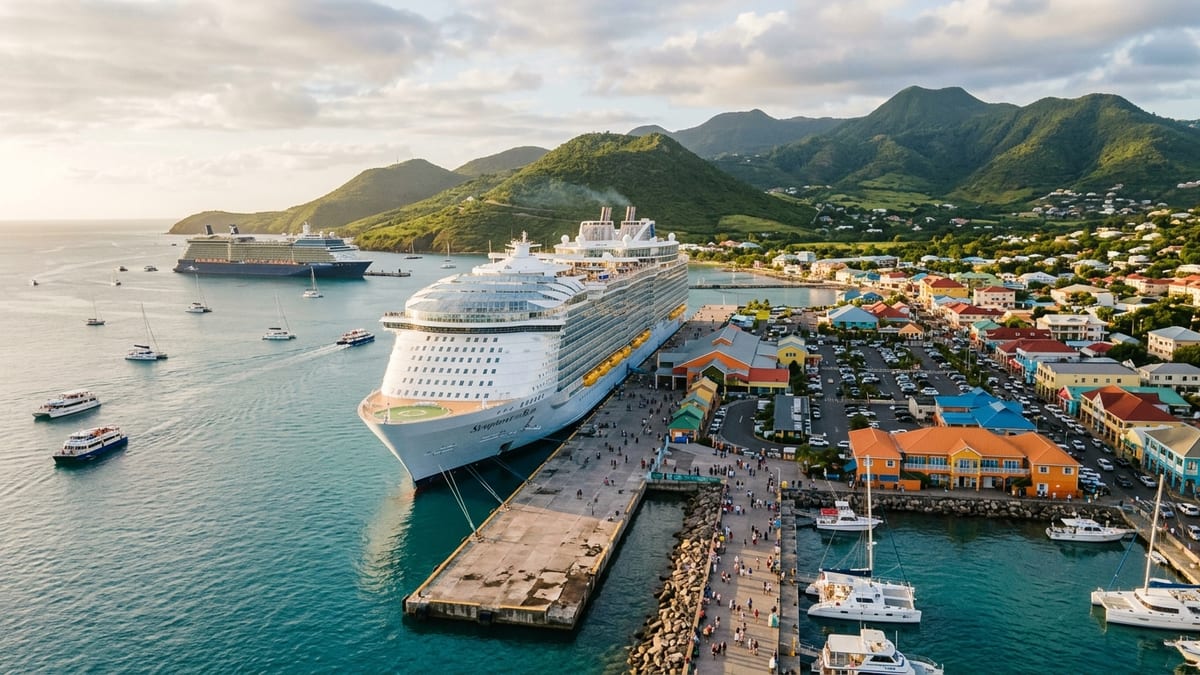
A Royal Caribbean crew member has been found dead on the Caribbean island of St. Kitts after going on a solo hike during shore leave, according to multiple regional news and cruise-industry reports, prompting renewed scrutiny of safety practices for crew and visitors who tackle the island’s rugged trails on their own.
Get the latest news straight to your inbox!
Crew member reported missing after failing to return to ship
Publicly available information indicates that the crew member went ashore on St. Kitts during a port call and set out alone on a hike before being reported missing. The individual did not return to the ship as scheduled, triggering concern among fellow crew and leading to local searches on the island.
Regional coverage suggests that the initial alarm was raised when routine checks showed the crew member had not reboarded before the vessel’s planned departure window. Cruise lines typically track embarkation and disembarkation through electronic card systems, and discrepancies in those records can be an early sign that someone ashore may be lost or in distress.
According to published accounts of the case, local responders and search teams focused on known hiking areas in St. Kitts’ interior, where steep, forested slopes and changing weather can complicate navigation, especially for solo hikers.
Body discovered in remote terrain on St. Kitts
Reports from Caribbean media and cruise-focused outlets state that the crew member’s body was later found in a remote area consistent with popular hiking routes on the island. The location has been described as difficult to access, with dense vegetation and uneven ground that can slow search efforts and pose additional hazards for rescue teams.
Public information released so far has not detailed the exact circumstances leading to the death, and formal findings regarding cause are still pending. In similar recent incidents involving visitors who disappeared while hiking in the region, local police and medical authorities have waited for postmortem examinations and toxicology results before providing additional detail.
The discovery has drawn attention to how quickly a routine hike can become dangerous if a person loses the trail, is injured while alone or is caught out by changing conditions in mountainous tropical terrain.
St. Kitts’ hiking appeal and the risks of going alone
St. Kitts is widely promoted in tourism materials for its volcanic peaks, rainforest interior and panoramic hiking trails, which are marketed to cruise passengers and independent travelers alike. Excursions range from guided rainforest walks to more strenuous climbs that can involve slippery mud, exposed tree roots and sudden changes in visibility.
Travel information commonly notes that some routes on St. Kitts are considered challenging and may require above-average fitness, proper footwear and familiarity with hiking in humid, tropical conditions. Steep gradients, heat and humidity can increase the risk of exhaustion, dehydration or falls, particularly for people unaccustomed to hiking in such environments.
While many visitors choose to explore with organized guides, others opt to hike alone during shore visits, relying on informal directions or personal navigation devices. Safety guidance for the wider Caribbean has increasingly emphasized the importance of avoiding solo treks on demanding trails, advising travelers to inform others of their plans, carry sufficient water and turn back early if conditions deteriorate.
Questions over crew shore-leave safety and cruise protocols
The death of the Royal Caribbean crew member has added to wider discussion about how cruise workers use limited time ashore and what support they receive when engaging in higher-risk activities such as mountain hikes. Crew often work long contracts with few full days off, making shore leave a valued opportunity for exercise and sightseeing away from the ship.
Maritime labor advocates and cruise commentators have previously highlighted that crew, unlike most passengers, may have less time to plan excursions or arrange guides, and may instead rely on word-of-mouth or brief online research before heading out. This can leave them more exposed to hazards when trails are longer or more technical than expected.
Industry observers note that cruise companies regularly publish general safety reminders for both passengers and crew, but practices vary regarding specific guidance for strenuous activities ashore. Some operators and tour partners now describe certain Caribbean hikes as “strenuous” in their marketing material and recommend that participants travel in groups, carry communication devices and heed local advice on weather and trail conditions.
Hiking safety under renewed scrutiny across the Caribbean
The incident in St. Kitts follows a series of recent cases across the wider Caribbean in which visitors disappeared or were later found dead after solo or lightly guided hikes on islands known for rugged terrain. Those cases have led to public debate about how risk is communicated, how quickly searches begin when someone fails to return and what additional safeguards might be appropriate for older travelers or those with limited hiking experience.
Travel advisories and destination guides increasingly encourage visitors to choose established, guided excursions when venturing into remote areas, particularly in regions with dense forest, steep volcanic slopes or limited mobile coverage. Recommendations often include checking weather forecasts, starting early in the day, carrying extra water and basic first-aid items, and avoiding hikes beyond one’s fitness or experience level.
For St. Kitts and other cruise-dependent islands, the death of a crew member during a solo hike underscores the balance between promoting outdoor adventure and ensuring that both visitors and workers have clear, practical information about the risks involved when they leave the pier and head into the hills.