


More news on this day
A Royal Caribbean cruise ship arriving in Seward, Alaska, drew alarm from residents and wildlife advocates after docking with a dead fin whale draped across its bulbous bow, according to multiple news and community reports.
Get the latest news straight to your inbox!
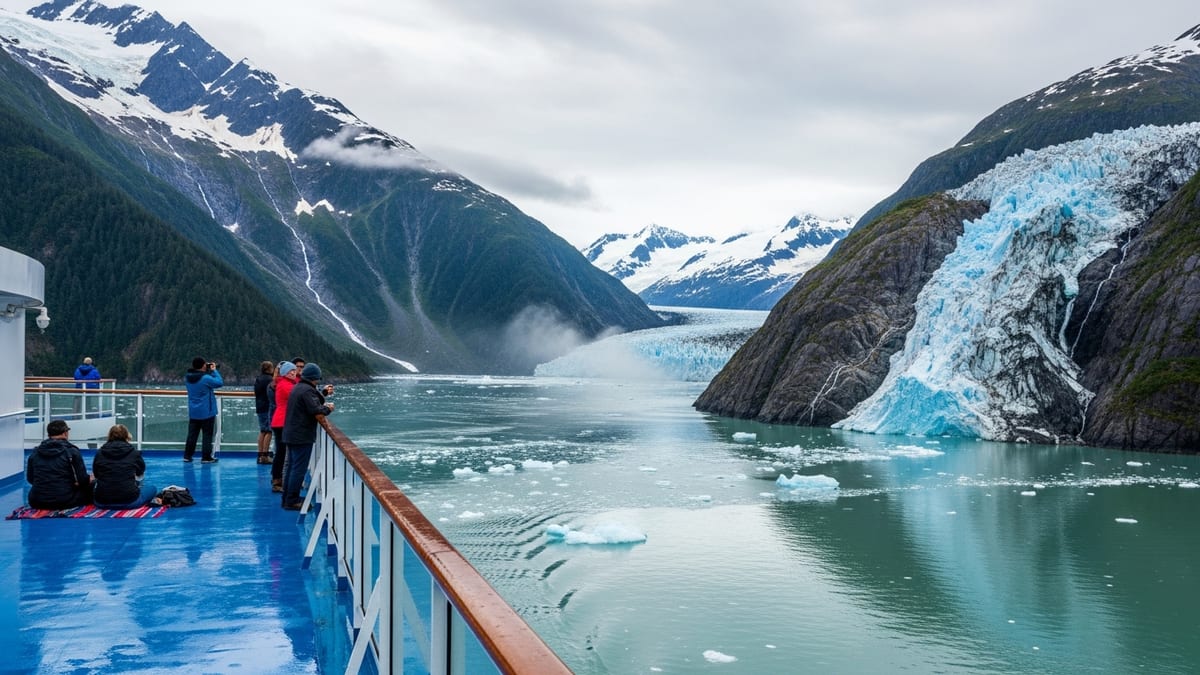
Incident in Seward Stirs Shock and Anger
The ship, identified in local and national coverage as Ovation of the Seas, entered the port of Seward with the carcass of the large whale clearly visible along the forward hull. Photos and eyewitness accounts circulating publicly over the weekend show the animal lying across the submerged bow as the vessel approached the dock.
Reports indicate the fin whale was discovered only as the ship came into port, suggesting the collision occurred at sea and went undetected until arrival. Fin whales, among the largest animals on Earth, can reach more than 70 feet in length and are listed as endangered in many parts of their range.
Publicly available information from federal marine agencies and local media coverage notes that the carcass was later removed for examination. Details on when and where the strike occurred, as well as the ship’s speed and route at the time, had not been fully clarified in early reports.
The incident quickly spread across social media and community forums focused on Alaska and cruising, with residents expressing dismay at both the visual impact of the scene and the broader implications for whale conservation in busy coastal corridors.
Fin Whales and the Risks of Ship Strikes
Marine scientists have long identified ship strikes as a significant threat to large whales worldwide, and fin whales are considered particularly vulnerable because they often travel along continental shelf edges and busy shipping lanes. Published research on Alaska’s waters documents dozens of reported whale-vessel collisions over recent decades, with a portion resulting in confirmed whale deaths.
Fin whales are filter feeders that rely on dense concentrations of krill and small fish, often surfacing repeatedly in areas where large commercial vessels also transit. Their dark coloration, long low surfacing profile, and sometimes unpredictable surfacing patterns can make them difficult for crews to spot, especially in rough seas or low visibility.
Conservation organizations and marine-mammal researchers frequently point to such strikes as largely preventable, arguing that slower speeds and rerouted traffic during sensitive seasons can reduce the risk of lethal collisions. In regions like Alaska, where cruise tourism peaks in summer, the overlap between whale habitat and cruise itineraries is especially pronounced.
The death of a fin whale in such a visible way has renewed calls in public discussion for enhanced monitoring of whale presence, mandatory speed reductions in known feeding areas, and better reporting requirements for suspected strikes along major cruise routes.
Cruise Growth in Alaska Under Renewed Scrutiny
The arrival of the ship in Seward with a dead whale on its bow comes amid sustained growth in Alaska’s cruise industry. Major operators, including Royal Caribbean, continue to expand itineraries connecting ports such as Seward, Juneau, Ketchikan, Sitka, and Vancouver, bringing tens of thousands of visitors through narrow fjords and productive coastal waters each season.
Supporters of cruise tourism in Alaska often highlight its economic benefits, citing local jobs, port fees, and spending by passengers in small coastal towns. In Seward and similar communities, new infrastructure projects have been undertaken in recent years to accommodate larger vessels and higher passenger volumes.
Critics, however, have increasingly questioned the cumulative environmental footprint of large ships in sensitive northern ecosystems. Concerns commonly raised in public forums and local debates include underwater noise, emissions, waste management, and the risk of accidental spills or wildlife strikes. The latest whale death has sharpened these discussions, with some residents arguing that the scale and pace of cruise expansion have outstripped safeguards for marine life.
Public commentary following the Seward incident reflects this divide, with some voices emphasizing the importance of tourism revenues and others warning that a series of high-profile environmental episodes could damage Alaska’s image as a destination for unspoiled wilderness and wildlife viewing.
Investigations and Calls for Stronger Protections
According to published coverage, federal wildlife and marine agencies have opened an inquiry into the circumstances surrounding the whale’s death. Such reviews typically examine the species, size, and condition of the animal, as well as available data on vessel movements, environmental conditions, and any reports filed by the ship’s crew.
Biologists are expected to assess whether the whale showed signs of preexisting injury, disease, or entanglement that might have contributed to its vulnerability, in addition to trauma consistent with a ship strike. The findings may feed into broader datasets used to map high-risk zones for whales and to inform potential mitigation measures along heavily traveled routes.
Environmental advocates watching the case argue in public statements and commentary that mandatory slow-speed zones, expanded seasonal routing changes, and real-time whale detection systems should be more widely adopted in Alaska’s cruise corridors. They contend that voluntary measures and existing guidelines have not been sufficient to prevent serious incidents.
Industry-focused observers note that cruise operators have in some regions experimented with technologies such as improved radar, protected-species training for bridge crews, and participation in programs that alert ships to whale sightings in near real time. The Seward incident is likely to intensify discussion over whether such tools should move from pilot projects to more formal operational requirements.
Balancing Tourism, Conservation, and Community Concerns
The episode in Seward highlights a broader challenge facing coastal communities that depend on tourism while also serving as gateways to important wildlife habitats. The presence of a dead fin whale on the bow of a visiting cruise ship contrasts sharply with the image of Alaska marketed to travelers as a place to see whales in the wild, glaciers, and largely intact marine ecosystems.
Local residents and travelers posting publicly in response to the incident have expressed grief over the loss of a threatened animal and questioned how often similar events might occur far from shore, away from cameras and ports. Some contributions to these discussions emphasize that visitors drawn to Alaska’s wildlife may expect stronger protections and more transparent reporting when tragedies occur.
Policy analysts following Arctic and subarctic tourism trends note that pressures on marine environments are likely to increase as cruise itineraries broaden and seasons lengthen with changing ice and weather conditions. The Seward whale strike is being cited as a reminder that expanding access brings heightened responsibility to safeguard the species and ecosystems that underpin the region’s appeal.
As investigators continue to examine what happened, the image of a fin whale draped over the bow of a gleaming cruise ship has become a powerful symbol in public discourse, encapsulating tensions between economic opportunity, industrial-scale tourism, and the fragile marine life that shares Alaska’s coastal waters.