


Rome is one of the world’s great cities, but it can also be one of the most exhausting. Crowded piazzas, lines at every monument, sweltering summer afternoons and dense neighborhoods of must-see sights can leave even experienced travelers drained. With a little planning and a few on-the-ground strategies, however, you can experience the best of the Eternal City without feeling overwhelmed, even during busy seasons.
Get the latest updates straight to your inbox!
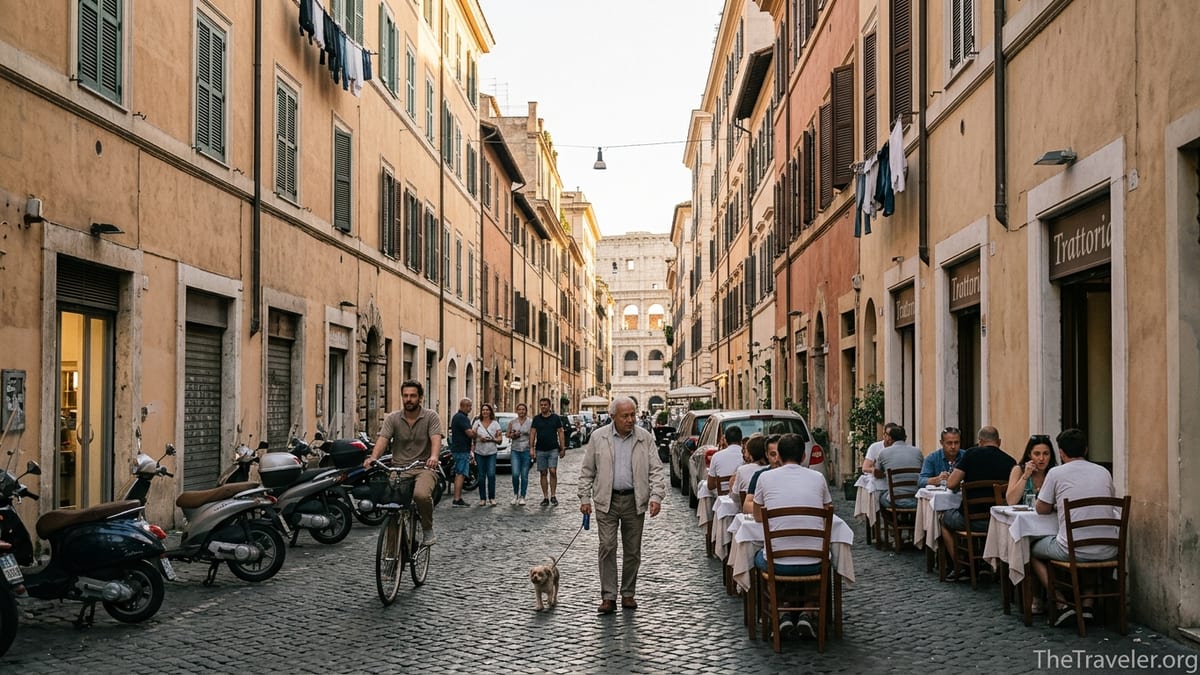
Choose the Right Season and Daily Rhythm
When you visit Rome matters as much as what you see. Crowds and heat peak from June through August, when family vacations and cruise ship excursions converge on the city. In July, the Vatican Museums alone can receive tens of thousands of visitors in a single day, which means shuffling shoulder to shoulder through the Sistine Chapel and inching along hot corridors. By contrast, February or early March often brings cool temperatures and thinner crowds, and late October can feel pleasantly lively without being chaotic.
If your dates are flexible, aim for the shoulder seasons: roughly mid-March to early May and late September into early November. In April, for example, you may still need to plan around Easter week, but outside that period daytime highs often sit in the high teens or low twenties Celsius, comfortable for walking, with far shorter lines at major sites. Hotels and apartments often price a bit lower than in high summer, and you are more likely to find last-minute availability in central neighborhoods like Monti or Trastevere.
Even if you must travel in peak months, you can dramatically reduce stress by following Rome’s daily rhythm. Plan outdoor archaeological sites like the Colosseum, Roman Forum or Appian Way for early morning entry slots before the pavement bakes. Take a proper Italian pause in the midafternoon: head back to your hotel for a shower, linger over a long lunch in a shaded trattoria, or wander through air-conditioned churches such as Santa Maria sopra Minerva instead of queuing in direct sun.
Evenings are when Rome feels magical without being so intense. After 7 pm, day-trippers begin to fade, the light softens on the travertine facades and the same streets that felt crowded in midday become atmospheric. Walking from the Capitoline Hill down to the Ghetto and over the Tiber to Trastevere at dusk is often more rewarding than a rushed daytime march between checklist attractions.
Stay Central, but Not on Top of the Sights
Location can mean the difference between a calm visit and one spent fighting crowds and transit. Many first-time visitors instinctively look for hotels right next to the Trevi Fountain or the Spanish Steps. Those areas are spectacular to see, but they are also among the most crowded corners of Rome, with souvenir stands, tour groups and street performers filling every square meter well into the night. Sleeping two blocks away from the fountain might sound romantic, but it can mean noise until after midnight and sidewalks that are difficult to navigate even for a short evening stroll.
Consider instead neighborhoods that are central but slightly removed from the most famous monuments. Monti, just north of the Colosseum, is a strong example. From a small guesthouse on Via Urbana or Via Panisperna, you can walk to the Colosseum in 10 minutes and to the Forums or Termini Station in about 15, yet your immediate streets are lined with independent wine bars, small boutiques and cafes rather than aggressive souvenir stalls. In the evening you can find a quiet table at a place like La Taverna dei Fori Imperiali or Ai Tre Scalini instead of battling for space in the Trevi area.
Trastevere offers another balance. The central lanes around Piazza Santa Maria in Trastevere fill with diners and bar-hoppers, but stay slightly to the south or west, near streets like Via dei Genovesi or Via della Lungara, and your nights can be relatively quiet while you remain a 20-minute walk across the Tiber from Campo de’ Fiori or Piazza Navona. For a more local feel, Prati, just across the river from the Vatican, gives you wide boulevards, neighborhood markets and easier access to Metro line A, while still being only a few stops from the historic center.
Budget carefully for Rome’s tourist tax, which is typically added per person per night and paid directly to your accommodation in cash or card. In practice this might add the equivalent of the cost of a coffee and pastry per person each day. Knowing this in advance prevents frustration at check-out and helps you compare options fairly when a room in Prati appears slightly cheaper than a similar apartment in Monti.
Use Transit and Walking Strategically
Rome is best experienced on foot, but walking everywhere can quickly become exhausting, especially in summer heat. The city’s public transport network, while not perfect, is a powerful tool for keeping your energy in reserve for the experiences that matter most. A single integrated ticket for buses, trams and Metro within the city costs only a few euros and is valid for a set period of time from first validation, generally long enough to connect between neighborhoods and still change lines if needed.
If you will be exploring by transit for a full day, consider a 24-hour, 48-hour or 72-hour ticket, which offers unlimited rides within that period for a fixed cost. As of mid-2026, for example, a typical 72-hour ticket costs in the low twenties in euros, which usually pays for itself if you take three or four rides per day. For a long weekend staying near the Colosseum, this might look like taking the Metro to the Vatican Museums in the morning, a bus back toward Piazza Venezia in the afternoon, and a tram over to Trastevere for dinner, instead of walking those routes in the heat.
Combine transit with targeted walking instead of long, draining slogs. For instance, you might take Metro line A to Ottaviano in the early morning for a pre-booked Vatican Museums entry, spend three hours exploring, then stroll downhill past St. Peter’s Square and across the river toward Piazza Navona. After a rest over gelato near Piazza di Pasquino, you can either wander slowly toward the Pantheon and Largo Argentina or catch a bus back to your accommodation. In the evening, a taxi or ride-hailing service can be a worthwhile splurge after a long day, especially if you are staying on a quiet side street away from major transport hubs.
Be realistic about Roman sidewalks and paving. Cobbled streets like Via dei Coronari and many alleys in Trastevere are beautiful but uneven, so factor in slightly slower walking times than you might in a modern city. Comfortable shoes with good grip will reduce foot fatigue and help you feel ready for one more detour, whether it is up to the Giardino degli Aranci on the Aventine Hill at sunset or along the Janiculum Terrace for panoramic views.
Prioritize a Few Big Sights and Buy Tickets Wisely
Trying to see everything in Rome in three days is an almost guaranteed route to burnout. Instead, decide which two or three headline experiences truly matter to you, and build the rest of your time around them. For many visitors, these are the Colosseum and Roman Forum, the Vatican Museums with the Sistine Chapel, and perhaps the Pantheon and one or two major basilicas. Once you commit to those priorities, you can let other options be flexible or optional rather than mandatory.
For the Colosseum, book official tickets in advance rather than hoping to buy on the day. Standard 24-hour tickets typically cost under 20 euros and include access to the Colosseum’s main levels plus the Roman Forum and Palatine Hill. For a small supplement, often only a few euros more, a “Full Experience” ticket adds access to areas such as the arena floor or underground sections and usually extends validity to 48 hours, giving you more time to explore the Forum and Palatine without rushing. These tickets are released on a rolling basis, generally around 30 days before the visit date, and require you to show an ID matching the name on the booking at the gate.
At the Vatican Museums, booking an early morning or late afternoon entry time can significantly reduce the sense of crowding. While the posted price fluctuates occasionally, the general admission with a timed reservation fee tends to be in the mid-twenties in euros. If early mornings suit you, a first-entry slot might mean enjoying the Raphael Rooms and the Sistine Chapel with less congestion, then exiting by late morning before the tour groups fully build. Alternatively, an evening opening, when available, can feel calmer and cooler.
Avoid stacking multiple “heavy” sights in one day. Visiting both the Colosseum complex and the Vatican Museums in the same day, for example, might look efficient on paper but often leaves travelers mentally and physically exhausted by dinnertime. A more balanced plan might pair the Colosseum in the morning with a slower afternoon on the Palatine Hill’s shaded paths, or combine the Vatican Museums with a quiet wander through nearby Borgo or an early evening stroll along the Tiber.
Balance Icons with Quiet Corners
Rome’s headline sights deserve their fame, but the city’s quieter spaces are where many visitors finally exhale. Building intentional “quiet corners” into each day keeps your trip from becoming a race. After you have seen the Trevi Fountain, walk just a few minutes to the lesser-known Vicolo del Lavatore or explore church interiors like San Marcello al Corso, where you may find only a handful of people admiring Baroque chapels in relative silence.
One effective pattern is to pair each major attraction with a nearby low-key stop. After touring the Colosseum and Forum, for example, climb the gentle switchbacks up the Capitoline Hill. The piazza designed by Michelangelo is busy but rarely chaotic, and the viewing terrace behind the Capitoline Museums offers sweeping views across the Forum that feel surprisingly peaceful compared to the crowds below. From there you can slip into the little church of Santa Maria in Aracoeli, where the air is cooler and the mood reflective.
The Tiber Island and the Jewish Ghetto provide another welcome change of tempo. After a morning among the crowds at Piazza Navona and Campo de’ Fiori, stroll south toward the island, cross to Trastevere, then duck down side streets like Via della Lungaretta. Within a few minutes you can trade buskers and selfie sticks for laundry lines, small neighborhood bars pouring house wine and residents chatting on stoops. None of these places are secret, but they are markedly less intense than the postcard spots an easy walk away.
If you find yourself overwhelmed at any moment, do as Romans do and step into a cafe for a reset. Order an espresso at the counter, take a breath and watch local life for five minutes. In many traditional bars, standing at the counter keeps the price low, often around one euro for a coffee, and the brief pause can restore your patience far better than pushing on to the next sight on your list.
Eat and Drink on a Local Schedule
Crowded restaurants and rushed meals can add to the sense of overload. Adjusting to local dining habits helps you avoid the worst bottlenecks and enjoy your food at a more relaxed pace. Romans typically eat lunch around 1 to 2 pm and dinner from 8 pm onward, but many trattorie now open earlier to accommodate visitors. If you prefer a quieter experience, consider booking a table for 7 pm when possible. In Trastevere or Testaccio, the difference between 7 pm and 8:30 pm can be the difference between walking straight in and waiting on a noisy sidewalk.
Avoid the most touristy restaurant clusters immediately surrounding the Pantheon, Piazza Navona and the Trevi Fountain, where hosts aggressively wave menus and pasta prices climb. Walk just a few blocks away along streets like Via dei Serpenti in Monti or Via dei Banchi Vecchi near Campo de’ Fiori, where you will still find English-language menus but a higher proportion of local diners. At a simple osteria, a plate of cacio e pepe, a carafe of house wine and a shared antipasto might total 20 to 25 euros per person, compared with more for a similar-quality meal directly on a famous square.
Plan at least one long, deliberately slow meal. It might be Sunday lunch in Testaccio, where families linger over multiple courses at traditional spots, or a weekday dinner in Prati after a day at the Vatican. Put your phone away, resist the urge to schedule something immediately afterward, and let the meal be the main event. This kind of unhurried dining not only introduces you to Roman food culture but also gives your body and mind time to decompress from the city’s visual and sensory intensity.
Stay hydrated and schedule your coffee breaks with intent. In summer, many travelers underestimate how much the combination of direct sun, stone surfaces and long walking days dehydrates them. Take advantage of Rome’s free nasoni fountains to refill a reusable bottle, and pause in cafes or gelaterie when you notice your patience thinning. These small acts of self-care can prevent minor discomfort from turning into a feeling of being overwhelmed by the entire city.
Know When to Book Tours and When to Wander Solo
Guided tours can either relieve or add stress depending on how you use them. Booking a small-group or private tour for complex sites like the Vatican Museums or the Colosseum can be worth the cost, especially if you feel anxious navigating ticket systems and security lines alone. A well-run, three-hour tour through the Vatican, for example, will typically handle entry logistics, highlight major works without lingering excessively and position you in front of the Sistine Chapel ceiling with context, saving you both time and mental energy.
At the same time, over-scheduling back-to-back tours can make your days feel regimented and rushed. Give yourself open blocks of time simply to wander. Neighborhoods such as Trastevere, Monti, the area around the Appian Way and even the streets behind Piazza Navona reward unstructured exploration. You might stumble into a courtyard framed by orange trees, a quiet bookshop, or a local enoteca offering a mid-afternoon tasting of Lazio wines, experiences that never appear on standard tour itineraries.
Consider hybrid strategies. For example, you might book a morning food tour in Testaccio that doubles as an orientation to Roman markets, deli counters and bakeries, then return independently another day to revisit your favorite places. Or join a guided visit to the underground levels of the Colosseum, where access is tightly regulated, then explore the Forum and Palatine Hill on your own using a downloaded audio guide or printed map.
Whatever you choose, read recent reviews with an eye toward group size, pace and communication. Look for operators who cap groups at 12 to 15 participants and describe their tours as relaxed and conversational rather than “see it all” marathons. This reduces the likelihood that you will find yourself trotting after a guide’s raised umbrella through dense crowds, exactly the scenario many travelers hope to avoid.
The Takeaway
Rome rewards those who approach it with intention rather than urgency. By choosing shoulder seasons or at least cooler hours of the day, staying in central but calmer neighborhoods, using public transport to bridge long distances and being selective about which major sights you tackle, you can transform a potentially overwhelming city into one that feels richly textured and deeply human.
Build each day around just one or two anchor experiences, and weave in quieter corners, proper breaks and unhurried meals. Accept in advance that you will not see everything, and treat what you do experience as something to savor instead of check off. When you find yourself standing in the golden light of late afternoon on a side street in Monti or watching evening settle over the Tiber from a bridge near Trastevere, you may discover that your most lasting memories of Rome are not the crowded moments at all, but the calm ones you created on purpose.
FAQ
Q1. What is the least overwhelming time of year to visit Rome?
Visiting in late October, November (avoiding major holidays) or February to early March usually means cooler temperatures, shorter lines and a calmer overall atmosphere compared with the peak summer months.
Q2. How many days in Rome are ideal for a first visit without feeling rushed?
Four full days is a comfortable minimum for most first-time visitors. This allows you to spread out the Colosseum, Vatican Museums and key historic center sights while still leaving time for slower neighborhood walks and rest.
Q3. Should I stay near Termini Station to make Rome easier to navigate?
Termini is practical for trains and airport buses, but the immediate area can feel busy and impersonal. Many visitors find neighborhoods like Monti, Trastevere or Prati offer a better balance of convenience and atmosphere while still being well connected.
Q4. Do I really need to book Colosseum and Vatican tickets in advance?
Yes, in most seasons advance booking is strongly recommended. Buying timed-entry tickets before you arrive reduces queueing, avoids sold-out days and lets you plan your itinerary around known time slots rather than standing in long lines.
Q5. Is the Roma Pass or other city card worth it to reduce stress?
City cards can be useful if they align with your plans, especially for visitors who rely heavily on public transport and want included entry to certain museums. However, they do not eliminate all lines, so it is still wise to book timed entries for the most popular sites where possible.
Q6. How can I avoid feeling overwhelmed at the Vatican Museums?
Choose an early morning or late afternoon entry, focus on a few key sections instead of trying to see everything, take short breaks at the cafe or courtyard and consider a small-group tour to handle navigation and context for you.
Q7. Are taxis and ride-hailing services a good idea in Rome?
Using a licensed taxi or reputable ride-hailing service for a couple of key journeys, such as returning to your hotel after a long day or crossing the city in intense heat, can be a worthwhile expense that preserves energy and reduces stress.
Q8. How much walking should I expect each day?
Many visitors easily exceed 15,000 steps a day without realizing it. Planning transit “bridges” between distant neighborhoods and wearing supportive shoes with good grip can make that level of walking more manageable.
Q9. Can I find quiet places to relax near the main tourist areas?
Yes. Small churches, lesser-known piazzas and elevated viewpoints like the Capitoline Hill terrace or the Giardino degli Aranci are all within walking distance of busy zones yet often feel surprisingly peaceful.
Q10. What should I do if I start to feel overwhelmed during the day?
Slow down your pace, find a cafe for a short break, hydrate, and consider dropping one item from your day’s plan. Rome will still be there tomorrow, and allowing yourself to adjust on the fly often leads to more satisfying, less stressful experiences.