


More news on this day
A large Ukrainian drone strike on a key Moscow oil refinery has triggered fresh disruptions across Russia’s air network and stoked wider concern for European aviation, just as NATO ministers gather in Brussels for security talks dominated by the war, airspace risks and energy infrastructure attacks.
Get the latest news straight to your inbox!
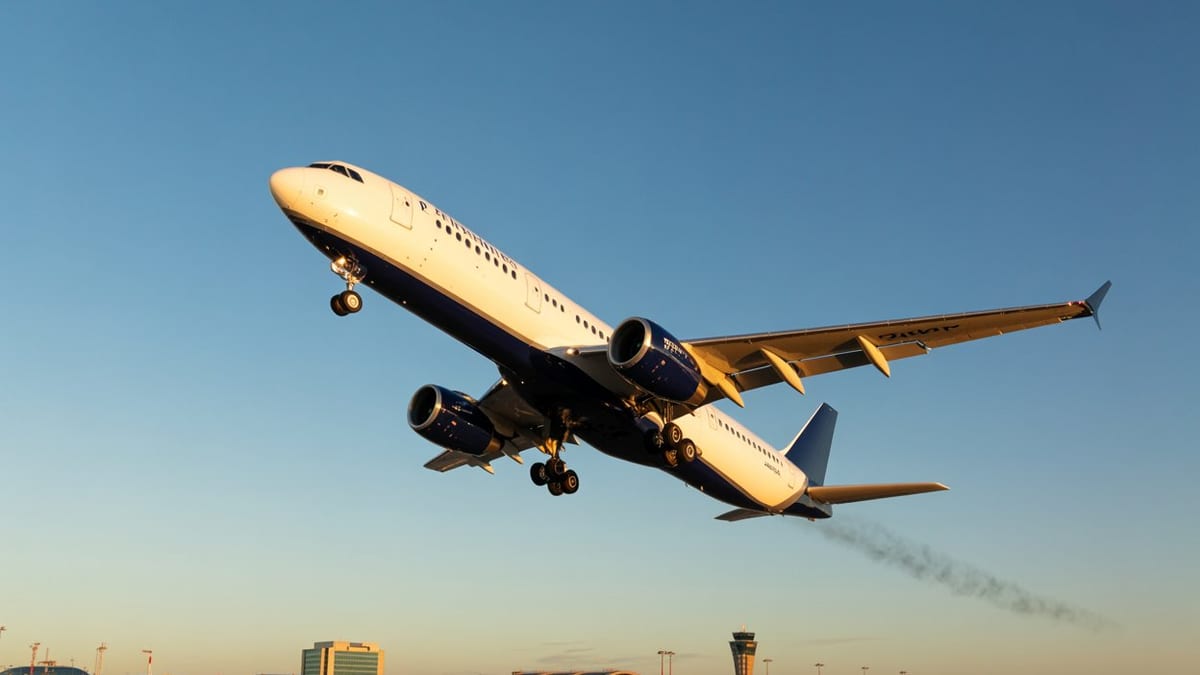
Drone Strike Hits Moscow Refinery and Moscow Air Traffic
Published coverage indicates that Ukrainian drones again struck the Moscow Oil Refinery, one of the main suppliers of fuel to the capital region, igniting major fires and sending thick smoke over the city. The site, located in the Kapotnya district on the southeastern edge of Moscow, has been targeted repeatedly in recent months as part of Kyiv’s campaign against Russia’s energy infrastructure.
Reports from Russian and international outlets describe the latest attack as among the largest long-range drone operations against the Moscow area since the full-scale invasion began. Local authorities restricted traffic around Kapotnya as emergency services responded to the blaze, and aviation-focused media highlighted concerns about smoke plumes, possible secondary explosions and pressure on fuel logistics for the capital’s airports.
According to Russian transport and aviation statements cited in open reporting, departures and arrivals were temporarily halted at multiple Moscow airports following the strike. Initial suspensions affected Domodedovo and Zhukovsky before expanding to Sheremetyevo and Vnukovo, creating a rolling wave of delays, diversions and cancellations across domestic and international routes.
Publicly available flight tracking data and airline advisories showed aircraft holding outside Moscow’s terminal area and rerouting to alternative airports within Russia. The episode adds to a pattern of sporadic shutdowns of major Russian hubs whenever drone activity is reported near critical infrastructure, underscoring the vulnerability of the country’s air transport system to strikes far from the front lines.
Airlines Confront Schedule Turbulence and Fuel Uncertainty
Russian carriers and foreign airlines that still serve Moscow are navigating a fluid operational environment defined by unpredictable security alerts and tightening fuel supplies. Passenger notices reviewed by travel media point to short-notice schedule changes, including aircraft swaps, re-timed departures and the consolidation of flights onto fewer frequencies in and out of the Moscow area.
Beyond immediate safety concerns, the attack on the refinery feeds into a wider squeeze on aviation fuel. Earlier this month, Russian economic and energy coverage reported that Moscow had suspended jet fuel exports until late November in order to prioritize domestic needs amid repeated strikes on refineries and storage sites. Analysts quoted in industry trade press suggest that the export ban and refinery outages are already pushing up regional jet fuel prices and complicating long-haul planning for airlines reliant on Russian supply.
For carriers operating within Russia, the combination of disrupted refining capacity and higher security risk around key energy assets increases the likelihood of localized shortages or rationing. For international airlines, the issue is less about direct supply from Russia and more about knock-on price effects and the loss of certain refueling options, especially on routes that previously used Russian airports for technical stops before the war.
Travel advisers are warning passengers booked on services to or over Russia to monitor airline channels closely and expect last-minute changes. While most global carriers continue to avoid Russian airspace entirely, those that transit nearby regions may still face indirect impacts from changing fuel economics and re-routed traffic flows.
Ripples Across European Airspace and Traveler Confidence
The renewed focus on Russian energy infrastructure follows a broader pattern of drone strikes that has repeatedly affected aviation in the wider region. Recent incidents reported in Russian and Ukrainian media include temporary closures of St. Petersburg’s Pulkovo Airport after large-scale drone activity in Leningrad region and attacks on refineries in Tuapse and Perm that disrupted fuel logistics along the Black Sea and in the Urals.
European aviation regulators and air navigation service providers are tracking these developments closely, although most of the airspace directly above and around Russia and Ukraine has long been avoided by European Union and UK carriers. Nevertheless, hybrid risks such as wayward drones, jamming and spillover debris remain part of route-planning and risk-assessment for flights skirting the conflict zone or serving neighboring states.
Reports from Brussels-focused outlets note that the European Union is already grappling with a rise in drone incursions linked to the war, some of which have reached or crossed into NATO airspace in the Baltic and Nordic regions. While such incidents have so far been contained without major damage to civil aviation, they have reinforced calls for better cross-border coordination, more resilient navigation systems and clearer protocols for temporarily closing or reconfiguring air corridors when military activity spikes.
For travelers, the primary effect remains uncertainty rather than outright cancellations across Europe. Airlines serving popular hubs such as Frankfurt, Amsterdam, Paris and London do not currently report operational disruptions linked directly to the Moscow refinery attack. However, each new episode that combines drones, refineries and flight suspensions on the eastern edge of the continent contributes to a perception of fragility in the broader European air network.
NATO Brussels Talks Add Political Tension to Aviation Risks
The latest disruption comes as NATO defense ministers convene in Brussels for meetings where burden-sharing, support to Ukraine and the credibility of the alliance’s deterrence posture all feature prominently. Recent commentary in European policy journals and regional press stresses that the alliance is balancing internal debates over U.S. force contributions with the need to demonstrate unity in the face of continued Russian strikes on critical infrastructure.
At pre-ministerial events in Brussels, NATO leadership has emphasized the importance of partnerships and hybrid-threat resilience, highlighting how drone warfare, cyberattacks and disinformation campaigns increasingly intersect with civilian infrastructure, including airports and energy facilities. Aviation and energy analysts point to these themes as highly relevant to the ongoing conflict, where military operations have repeatedly produced civil aviation knock-on effects.
Diplomatic coverage suggests that European capitals are particularly focused on ensuring that gaps in air and missile defense around critical infrastructure are addressed, both within NATO territory and in neighboring partner states. Proposals under discussion range from expanded joint exercises simulating attacks on energy hubs to more systematic information sharing with civil aviation authorities during crises.
The Brussels talks do not directly regulate commercial flight operations, but their outcomes can influence how national governments frame risk assessments and allocate resources to protect dual-use assets that underpin both military readiness and civilian connectivity. For airlines and passengers, the political backdrop adds another layer of uncertainty to an already complex risk map across Eastern Europe.
What Travelers Should Watch in the Coming Days
Travel industry observers advise that the immediate disruptions are likely to remain concentrated in Russian airspace and at Russian airports, particularly in the Moscow region, where security alerts and infrastructure damage are most acute. Passengers booked on Russian carriers or on routes touching Moscow, St. Petersburg or secondary regional hubs may experience delays, reroutes or cancellations as operators adjust schedules and manage fuel constraints.
For travelers using European and other international airlines on west European routes, the impact of the refinery strike is expected to be indirect, primarily through potential fuel cost pressures and minor airspace adjustments rather than large-scale cancellations. Nonetheless, network planners are already navigating a dense web of challenges that includes the ongoing closure of Ukrainian and much Russian airspace, congestion in alternative corridors, and higher operating costs tied to longer detours.
Risk consultants note that the broader trend of targeting energy infrastructure deep inside Russia is unlikely to reverse soon, suggesting that episodic air travel disruptions linked to drone activity will remain a feature of the conflict. As NATO and the European Union refine their collective response to these hybrid threats, aviation stakeholders will be watching for signals on future airspace guidance, critical infrastructure protection measures and contingency planning for large hubs.
In the short term, the most practical advice for passengers is to maintain flexibility. Those traveling anywhere near the wider region are being encouraged to allow extra connection time, keep contact details updated with airlines, and check flight status frequently as events on the ground in Russia, and decisions in Brussels, continue to shape the contours of European air travel.