


More news on this day
Saint Lucia, long marketed as one of the Caribbean’s most serene and romantic islands, is now under a higher U.S. travel advisory, with the State Department raising its guidance to Level 2 on July 10, 2026 and urging visitors to “exercise increased caution” because of crime.
Get the latest news straight to your inbox!
What the new Level 2 advisory actually means
The U.S. travel advisory system ranks countries on a four-point scale, from Level 1, advising travelers to exercise normal precautions, up to Level 4, which recommends that U.S. citizens avoid travel altogether. Level 2 sits near the lower end of this spectrum and is framed as a call for heightened awareness rather than a directive to cancel plans.
In the case of Saint Lucia, the updated advisory highlights crime as the primary concern. The notice points to incidents of violent crime, including armed robbery, that can occur in both urban areas and popular visitor zones. Publicly available information notes that foreign visitors, including resort guests, have been among the targets in some reported incidents.
The change represents a shift from Saint Lucia’s previous Level 1 status, where U.S. travelers were simply advised to exercise normal precautions. The new language signals that while travel continues, visitors should be more deliberate about how and where they move around the island, particularly outside resort compounds and during nighttime.
Travel advisories do not carry legal force for individual tourists, and airlines and hotels are continuing normal operations. However, the rating is often used by risk managers, study abroad offices and corporate travel planners when evaluating destinations for upcoming programs and events.
Key reasons cited for the Saint Lucia update
The State Department’s Saint Lucia page now emphasizes crime risk as the driver behind the Level 2 decision. The advisory notes that violent crime can take place in tourist areas as well as local neighborhoods, and that incidents have included robberies and assaults. It stresses that visitors should be alert in public spaces, including beaches, hiking areas and nightlife districts.
The advisory also draws attention to limitations in local emergency response. Publicly available guidance for Saint Lucia explains that police response times may not be as fast as travelers from the United States are accustomed to, which can affect the handling of serious incidents. This gap is one of the standard factors used when assigning a higher advisory level to destinations where crime is a concern.
Background reporting on Saint Lucia’s security situation points to wider regional challenges, including drug trafficking routes through the Eastern Caribbean and the presence of local gangs. These dynamics can contribute to spikes in armed robbery and confrontations that occasionally touch tourist zones, even as most visits conclude without incident.
Although Saint Lucia has not been singled out for terrorism threats or political instability, the introduction of a crime indicator in the advisory places it alongside many other popular destinations worldwide where the main concern is opportunistic or targeted criminal activity rather than broader unrest.
How the change affects tourists and resort stays
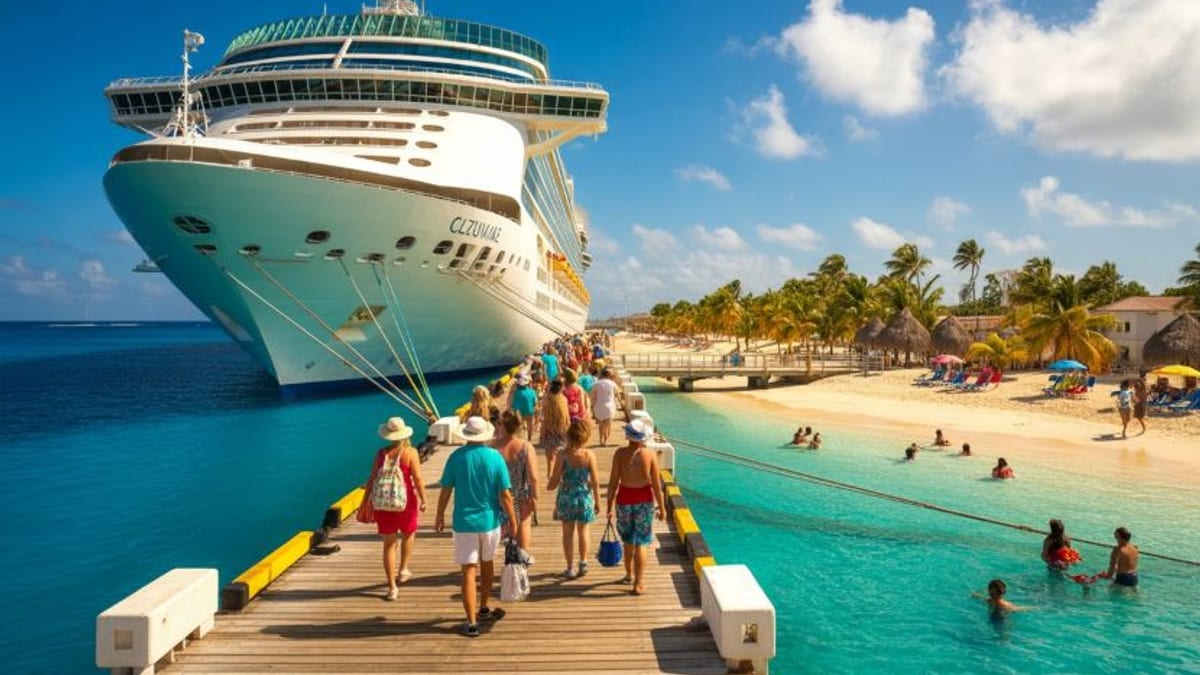
For leisure travelers, the upgrade to Level 2 does not automatically mean Saint Lucia has become unsafe across the board. Instead, it signals a need to approach trip planning with a more deliberate safety mindset. Most of the island’s signature tourism offerings, from coastal resorts to Pitons excursions, continue to operate as usual, and travel industry reports indicate that flights and cruise calls are proceeding on schedule.
Many visitors to Saint Lucia stay in resort areas where security measures, controlled access points and on-site staff are common. The advisory does note, however, that guests in such settings have been among past victims of crime, underscoring that controlled environments are not completely insulated from surrounding risks. Travelers are encouraged by public guidance to use hotel safes, limit the display of valuables and clarify the safety protocols in place at their accommodations.
Beyond resort grounds, the heightened advisory is particularly relevant for independent travelers who plan to rent cars, explore beaches away from main hubs or visit local bars and restaurants at night. Common recommendations in similar Level 2 destinations include avoiding poorly lit or isolated areas after dark, traveling in groups where possible and choosing licensed transportation providers.
Travel insurance companies and some tour operators monitor advisory changes closely. While a shift from Level 1 to Level 2 typically does not trigger automatic cancellations, it can prompt updated waivers, revised booking conditions or additional safety briefings for travelers, especially those participating in organized group trips.
Understanding the wider context of U.S. travel advisories
The Saint Lucia decision fits into a broader pattern of how the United States labels risk across the globe. Many frequently visited destinations, including parts of Europe, the Caribbean and Latin America, carry a Level 2 rating primarily due to crime or isolated security concerns. Level 2 is therefore not unusual for tourist-heavy locations and often coexists with very high visitor numbers.
The State Department’s own explanatory materials describe Level 2 as an advisory that calls for increased caution rather than avoidance. In practice, this often means encouraging travelers to pay close attention to local conditions, register their trip, consider travel insurance and leave detailed itineraries with family or friends at home.
The advisory system also uses specific indicators to signal why a country has been assigned a given level, such as crime, civil unrest, health risks or the possibility of wrongful detention. For Saint Lucia, the crime indicator is now part of its profile, while other categories, such as terrorism or large-scale unrest, are not highlighted at present.
Comparisons with similar destinations suggest that Level 2 ratings can remain in place for extended periods, even as conditions fluctuate. Changes back to Level 1 or up to Level 3 tend to follow sustained improvements or deteriorations in data points such as crime trends, emergency response capabilities and the scale of incidents affecting foreign nationals.
Practical safety tips for upcoming trips
Travelers who already have tickets to Saint Lucia or are considering booking a trip can respond to the Level 2 advisory by focusing on preparation rather than panic. Public travel security guidance commonly recommends researching neighborhoods before booking accommodation, confirming whether hotels provide 24-hour front desk coverage and inquiring about room safes and secure parking where relevant.
On the ground, simple habits can significantly reduce the likelihood of being targeted. These include keeping jewelry and electronics discreet, carrying only the cash and cards needed for the day and avoiding the display of passports in public places. Visitors are also frequently advised to arrange airport transfers through their hotel or a reputable operator and to avoid accepting rides from unmarked vehicles.
For activities such as hiking, beach outings or nightlife, travelers can consider going with organized groups or established tour providers. Staying in well-populated areas, especially after dark, and keeping friends or family informed of daily plans are standard precautions recommended in Level 2 destinations worldwide.
Those with upcoming travel may wish to monitor the Saint Lucia advisory page in the weeks before departure to see if further updates are issued. While the new Level 2 status reflects concern about crime, it also recognizes that with increased situational awareness and prudent planning, many visitors continue to enjoy the island’s beaches, landscapes and cultural experiences.