

More news on this day
Saudia passengers across Saudi Arabia faced widespread disruption as more than 20 flights were cancelled or heavily delayed from Riyadh, Jeddah, Dammam and Medina, interrupting domestic travel and international connections to Hong Kong, Liège, Kuwait and several other key transit hubs.
Get the latest news straight to your inbox!
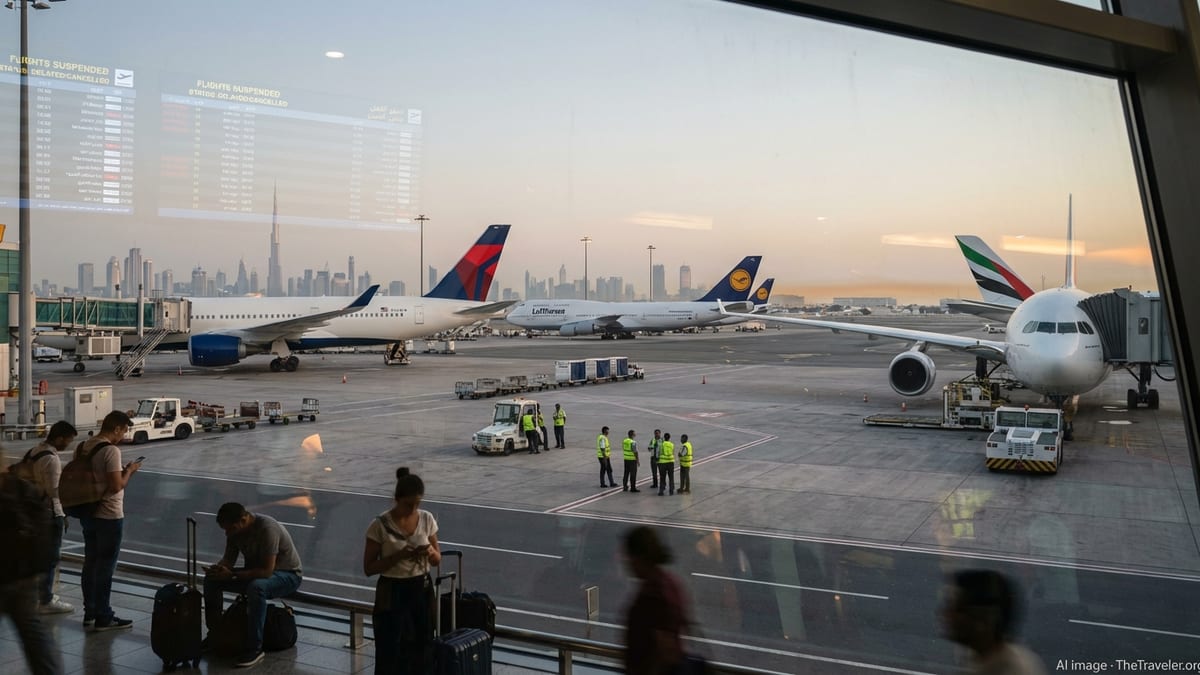
Wave of cancellations across Saudi domestic network
Published operational data and live flight-tracking dashboards for 24 and 25 May 2026 show an unusual spike in cancellations on Saudia’s core domestic corridors linking Riyadh, Jeddah, Dammam and Medina. Multiple rotations that normally operate several times a day between the four cities were either removed from timetables at short notice or listed as cancelled on airport information screens.
Riyadh to Jeddah and Jeddah to Riyadh services, among the busiest routes in the kingdom, were particularly affected. Schedules indicate that while some frequencies continued to operate, at least a score of individual flight numbers on these city pairs and onward services failed to depart, stranding passengers and forcing them to rebook on later departures or reroute through alternative carriers.
Disruption also extended to Dammam on the Gulf coast and Medina in the north-west, both key secondary hubs in Saudia’s network. Publicly available data for the period show thinning frequencies and day-of-travel cancellations on routes that ordinarily see dense traffic, especially at peak evening and late-night bank times when domestic flights feed international departures out of Jeddah and Riyadh.
The pattern has created knock-on pressure on remaining flights, with load factors reported to be high and limited same-day rebooking options on some of the most popular domestic sectors. Travellers have been advised in public advisories and airline-facing guidance documents to check flight status repeatedly in the hours before leaving for the airport.
International links to Hong Kong, Liège, Kuwait and beyond affected
The strain on the domestic operation quickly spilled over into Saudia’s international network. Timetables and third-party schedule aggregators show that services linking Saudi hubs with Hong Kong, Liège, Kuwait and other regional and long-haul destinations were disrupted, particularly those that rely on tight domestic feed from Riyadh, Jeddah, Dammam and Medina.
Hong Kong and Liège are important freight and passenger gateways in Saudia’s portfolio, hosting a mixture of bellyhold passenger services and dedicated cargo operations. Tracking data for the second half of May point to cancelled or rescheduled rotations on selected days, reducing capacity on corridors that connect Asian manufacturing centers and European logistics clusters with the Gulf.
Links to Kuwait have been doubly affected. Kuwait International Airport has been operating with reduced capacity following recent infrastructure and security-related restrictions, and travel advisories highlight ongoing constraints on foreign and regional carriers. In this context, the latest cancellations on Saudia’s side have further limited options for travelers shuttling between Kuwait City and Saudi Arabia or connecting via Jeddah and Riyadh onward to Asia, Europe and Africa.
Other regional spokes, including services to nearby Gulf and Middle Eastern hubs, also show signs of short-term thinning as individual rotations disappear from live boards. While many of these cuts appear tactical and day-specific, the overall effect for passengers booking multi-sector itineraries is an increased risk of missed connections and forced overnight stays.
Operational pressures and regional security backdrop
Industry reports and risk assessments focusing on the Middle East aviation market in March and May 2026 describe a challenging operating environment for carriers serving Saudi Arabia and adjacent states. Travel advisories for the region note intermittent suspensions of selected air corridors, temporary airspace restrictions and heightened security protocols around several major airports, including Jeddah, Riyadh, Medina and Dammam.
According to this publicly available analysis, airports in the kingdom have been dealing with periodic disruptions as authorities adjust routing and scheduling to reflect evolving security considerations. The same reports point to knock-on effects at Kuwait International Airport, where operations have been constrained and flight programs for some foreign airlines substantially reduced or rescheduled.
Within this broader backdrop, Saudia’s latest pattern of cancellations appears consistent with carriers recalibrating networks in response to a mix of operational and environmental pressures. These range from shifting demand patterns around Umrah and peak summer travel to infrastructure bottlenecks and airspace management measures that can reduce available takeoff or landing slots during certain parts of the day.
Guidance documents circulated to travelers about Saudia’s cancellation and compensation procedures emphasize that flight disruption can arise from safety, weather or air traffic control conditions, and recommend that passengers monitor schedules frequently and allow additional time for connections on multi-leg journeys through Saudi hubs.
Passenger impact and rebooking challenges
The immediate impact for travelers has been felt in missed meetings, delayed holidays and uncertain connection plans. Social media posts and public discussion forums over the past week describe passengers on Saudia itineraries encountering last-minute cancellation notices, repeated retimings and, in some cases, limited information on alternative options once at the airport.
Accounts from recent days highlight particular difficulties for those connecting through Jeddah and Riyadh from secondary cities like Dammam and Medina. When an initial domestic leg is cancelled or heavily delayed, onward long-haul flights to Asia or Europe can be missed, leaving travelers reliant on spare seats on already busy services or on rerouting via other Gulf carriers at additional cost.
Several travelers have reported needing to extend hotel stays or arrange urgent ground transport between cities such as Riyadh and Dammam in order to pick up alternative flights once original Saudia segments were removed from the schedule. Others have opted to abandon complex multi-stop routings involving Kuwait or other constrained airports, switching instead to carriers offering more stable direct services.
Travel planning communities have responded by advising passengers booked on Saudia through mid-June to build in longer connection windows, avoid very tight domestic-to-international transfers and remain flexible about routing. They also recommend that travelers traveling for time-sensitive events consider fully refundable or changeable fares where possible, given the current pattern of late adjustments.
What travelers should do now
For passengers with upcoming Saudia flights touching Riyadh, Jeddah, Dammam or Medina, the most consistent piece of guidance in public advisories is to monitor flight status repeatedly on the day of travel. Same-day schedule changes have become more common, and a service that appears confirmed several days ahead may still be retimed or cancelled closer to departure.
Travel experts cited in open-source briefings suggest allowing generous buffers for domestic connections into long-haul flights, particularly when routing onward to destinations such as Hong Kong, Liège or Kuwait that depend heavily on specific banked departures. Where practical, booking slightly longer layovers can provide a margin of safety if a feeder flight from a domestic Saudi city is delayed.
Passengers are also encouraged to keep all booking confirmations and receipts in case they need to pursue refunds or reimbursement for additional costs linked to cancellations. Saudia’s published conditions of carriage and third-party advisory notes explain the circumstances under which travelers may be eligible for refunds, rebooking at no extra charge, or accommodation in cases of overnight disruption.
With regional airspace and airport operations still in flux, observers expect a degree of instability to persist in flight schedules serving Saudi Arabia and neighboring states over the coming weeks. Travelers relying on Saudia’s extensive domestic and international network are being urged to plan conservatively, remain vigilant for updates and consider contingency options when timing is critical.