


More news on this day
Scotland’s long-distance rail network is poised for a significant refresh as refurbished Class 222 Meridian trains, overhauled by Alstom, are readied to take over key InterCity routes from the country’s aging High Speed Train fleet later this decade.
Get the latest news straight to your inbox!
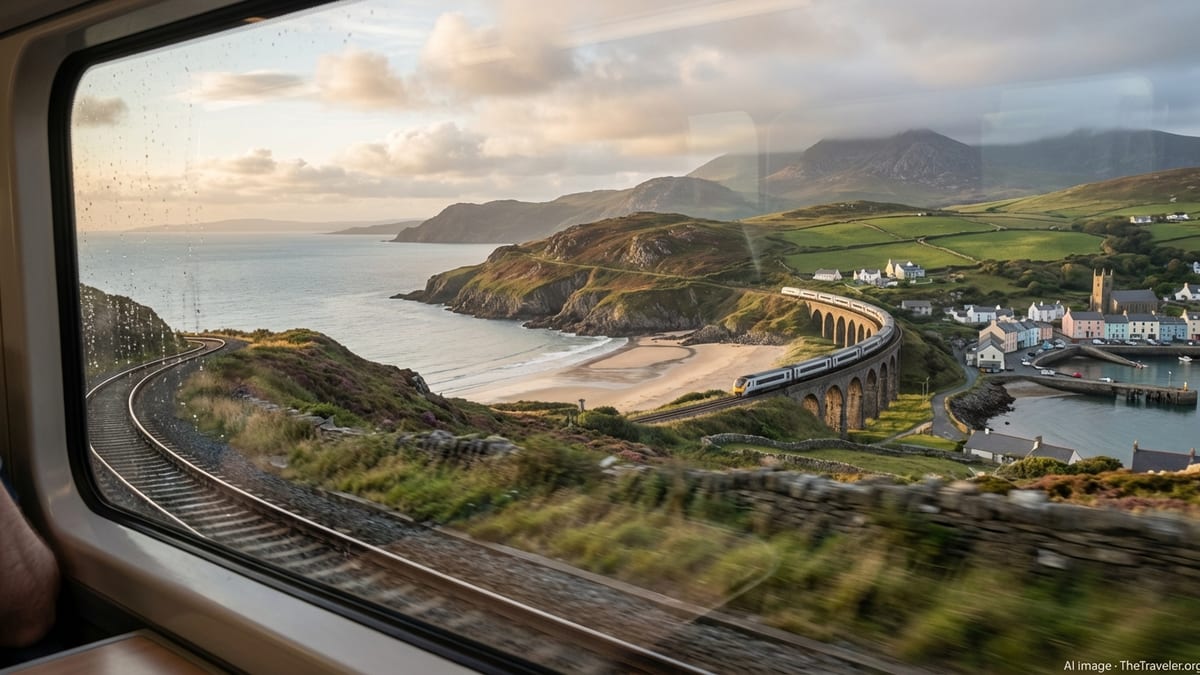
From East Midlands workhorses to Scotland’s next InterCity fleet
The Class 222 Meridian trains earmarked for Scotland have previously been a mainstay of services in central England, operating for East Midlands Railway on routes linking London St Pancras with cities such as Sheffield, Derby and Nottingham. Built in the early 2000s as diesel-electric high-speed units, they were designed for 125 mph operation and intensive intercity schedules.
As new electric Aurora trains arrive in the East Midlands, a tranche of Meridians is being released and transferred to rolling stock company Beacon Rail. Publicly available information shows that these units will now be cascaded to Scotland, where a comprehensive refurbishment and long-term maintenance programme led by Alstom will prepare them for a new phase of service.
According to government and industry documents, a contract awarded in March 2026 covers 22 Class 222 sets for ScotRail’s InterCity operations. The move will ultimately allow Scotland’s national operator to withdraw its shortened High Speed Train sets, which were originally built in the 1970s and 1980s and reintroduced in refurbished form as Inter7City services.
The shift marks a notable change in Scottish long-distance rolling stock strategy. Instead of immediately procuring entirely new trains for every route, decision-makers have opted to extend the life of proven high-speed units through targeted modernisation, with the aim of delivering near-term passenger benefits while longer-term decarbonisation plans continue to evolve.
Alstom’s refurbishment blueprint for the Meridian fleet
The Meridian upgrade for Scotland is part of a wider portfolio of refurbishment work that Alstom has been undertaking across the United Kingdom, including interior refreshes, accessibility upgrades and systems modernisation on multiple fleets. In the case of the Class 222 trains, the Scottish project is centered on a full interior and systems overhaul, going beyond the seat and toilet refresh programmes already carried out for East Midlands Railway.
Published coverage of the ScotRail and Beacon contracts indicates that Alstom’s work will include new seating layouts, upgraded lighting, improved passenger information systems and modernised catering facilities where required. The interior design is expected to align more closely with contemporary intercity standards, with an emphasis on comfort for longer journeys between Scotland’s main cities and cross-border connections.
Accessibility is another core element of the refurbishment blueprint. Plans referenced in public documents highlight features such as upgraded accessible toilets, enhanced wheelchair spaces and clearer wayfinding, in line with current regulations and industry expectations for inclusive travel. The intention is to address long-standing criticism of older high-speed stock that pre-dates modern accessibility standards.
Behind the passenger-facing changes sits a technical support and heavy maintenance package. Alstom will provide ongoing engineering support, spares supply and scheduled overhauls for the Meridian fleet, an arrangement intended to improve reliability and help manage lifecycle costs as the trains enter a second major chapter of operation north of the border.
Timelines, routes and the phase-out of Inter7City sets
Indicative timelines published by Scottish authorities and industry outlets suggest that the first refurbished Meridians will begin entering passenger service with ScotRail from late 2027. Introduction is expected to be phased, with full fleet deployment anticipated toward the end of 2028, allowing for driver training, route familiarisation and incremental handover from the existing High Speed Train sets.
The refurbished units are slated to work Scotland’s core InterCity corridors that currently carry the Inter7City brand, including routes linking the Central Belt with Aberdeen and Inverness. These long-distance services require stock capable of sustaining higher line speeds, handling variable gradients and providing a full intercity interior layout rather than a suburban configuration.
As the Meridians arrive, the remaining High Speed Trains, which have already undergone their own refurbishment earlier in the decade, will be gradually withdrawn. Industry commentary notes that while the HSTs have been popular with some enthusiasts and passengers, concerns around age, emissions and parts obsolescence have made their long-term retention increasingly challenging.
The staged changeover is intended to minimise disruption. Training diagrams and non-revenue test runs are expected to appear ahead of full passenger deployment, allowing rail staff to build experience on the new fleet and giving infrastructure managers the opportunity to monitor performance on Scotland’s mixed-traffic main lines.
Sustainability and the debate over diesel in a net zero era
The decision to invest in refurbished diesel-powered trains at a time of intensifying climate targets has generated debate among rail observers. Scotland has set ambitious decarbonisation goals for its transport network, and campaign groups have consistently called for a rapid shift toward electrification and alternative traction technologies.
Alstom’s refurbishment programme is being framed within a wider sustainability narrative. Publicly available material from the company and project partners emphasises improvements such as more efficient onboard systems, the potential for reduced fuel consumption through updated engine management and auxiliary technologies, and better materials choices in the interiors to support longer component lifecycles.
Supporters of the strategy argue that modernising existing high-speed units can deliver immediate gains in reliability and passenger appeal, encouraging modal shift from cars and domestic aviation, while electrification projects and future low- or zero-emission train orders are prepared. Critics counter that reliance on diesel units, even in upgraded form, risks locking in emissions for years to come if infrastructure and procurement programmes slip.
Recent discussion papers on Scotland’s rolling stock future underline that the Meridian refurbishment is seen as an interim step rather than a final state. The expectation in many policy documents is that further fleet renewal will be required within the next decade or so, aligned with increased electrification and potential deployment of battery or hydrogen-assisted traction on non-electrified sections.
Economic impact and what passengers can expect on board
Beyond the technical and environmental considerations, the Meridian refurbishment has a regional economic dimension. Alstom’s established UK footprint, including major sites in the English Midlands and facilities in Scotland, positions the company to draw on local supply chains and skilled workforces. Reports from rail industry bodies indicate that refurbishment and long-term support contracts of this type help underpin jobs in engineering, maintenance and component manufacturing.
For passengers, the most visible changes will be on board. Interior refreshes are expected to bring new seat upholstery, improved lighting and power provision at seats for charging devices. Upgraded passenger information systems and more reliable onboard connectivity are also anticipated, reflecting broader trends in intercity train design across the UK and Europe.
Improved accessibility features should be evident in redesigned vestibule areas, accessible toilet modules and clearer provision for mobility-impaired travelers. In practice, this is likely to translate into easier boarding and movement through the train, as well as better integration between reservation systems and accessible seating.
As the first refurbished Meridians begin to appear in Scotland over the next two to three years, their performance and passenger reception will be closely watched by operators, policymakers and rail users alike. The project will serve as an early test of how effectively refurbished high-speed diesel stock can bridge the gap between today’s network and a more fully decarbonised Scottish railway in the decades ahead.