


More news on this day
Scotland’s national rail operator ScotRail, known in Gaelic as Rèile na h-Alba, is rolling out a series of timetable, fleet, pricing and digital changes in 2026 that aim to rebalance its network between commuter, intercity and leisure travel.
Get the latest news straight to your inbox!
Weekend-focused timetable reshaped across the network
ScotRail has confirmed widespread timetable alterations that took effect from 17 May 2026, with a clear emphasis on strengthening weekend and evening connectivity. Published information shows that additional Saturday services have been introduced on several urban routes, including extra trains on busy suburban corridors around Glasgow, to reflect growing demand for leisure travel and flexible working patterns.
Reports on the May timetable indicate that Sunday services have also been expanded on selected interurban routes, giving visitors and residents more options for day trips and short breaks. New or strengthened evening services between major central belt hubs are designed to support events and hospitality, while still connecting into last trains for longer-distance routes.
The adjustments are not solely about adding capacity. Some low‑usage services have been withdrawn or shortened, including early morning departures that carried only a handful of passengers on average. Industry coverage notes that this rebalancing is intended to move capacity towards times and places where it is most needed, while still maintaining core links for rural communities.
At the same time, engineering work around Glasgow and other key junctions continues to shape short‑term timetables, with rail replacement buses and diverted services periodically affecting journeys. Travellers are being advised through public channels to check journey planners close to the time of travel, particularly at weekends when large infrastructure projects are scheduled.
Intercity upgrade as Class 222s replace ageing HSTs
One of the most significant changes on the horizon for Rèile na h-Alba is the replacement of its high‑speed Inter7City fleet. Publicly available information shows that ScotRail plans to withdraw its refurbished High Speed Trains on intercity routes between Glasgow, Edinburgh, Aberdeen and Inverness, bringing in more modern Class 222 units instead.
The HST sets, some of which date back to the 1970s before refurbishment, have been popular with many passengers for their comfort and distinctive layout. However, reports indicate rising maintenance costs, operational challenges and the need to align with Scotland’s long‑term rail decarbonisation strategy. The newer Class 222 units are expected to offer improved reliability, updated interiors and better accessibility, with the first trains due to enter service from 2027 and the last HSTs currently scheduled to leave the network by late 2028.
The move fits into a broader programme set out in Scotland’s rail decarbonisation plans, which envisage a mix of electrification, modern rolling stock and alternative traction technologies over the next decade. As more routes are wired or upgraded, Rèile na h-Alba services are expected to transition away from older diesel equipment in favour of trains that are cheaper to run and produce fewer emissions.
For travellers, the fleet change will gradually reshape the long‑distance experience on flagship scenic lines and core intercity corridors alike. While exact interior layouts and catering arrangements have yet to be fully detailed in public, the expectation is that the new trains will be configured for a mix of business, commuter and leisure use, reflecting the varied markets that ScotRail serves.
Fares frozen amid cost of living pressures
Alongside operational changes, the Scottish Government has confirmed that ScotRail fares are being frozen for 12 months in 2026. Government statements describe the freeze as part of a wider package of measures responding to the cost of living crisis, coming on top of existing policies such as free prescriptions, free bus travel for under‑22s and older passengers, and caps on the highest rail fares at peak times.
The decision means that regulated ScotRail fares will not rise during the current financial year, in contrast to the inflation‑linked increases seen in many other parts of the UK rail network. For regular commuters on routes into Glasgow, Edinburgh and Aberdeen, as well as occasional travellers using Rèile na h-Alba for domestic tourism, the freeze provides a degree of price certainty during a period of broader economic volatility.
Publicly available information notes that the cost of maintaining and upgrading Scotland’s railway continues to rise, with energy, labour and infrastructure expenses all under pressure. The fares decision therefore places more of the financial burden on government subsidy and efficiency gains, including those sought through timetable reform and fleet modernisation.
Travel and passenger groups are watching closely to see whether the combination of frozen fares and improved weekend services stimulates ridership growth, particularly in the leisure market that has been one of the fastest‑recovering segments since the pandemic.
Digital tools and branding connect Rèile na h-Alba to passengers
ScotRail is also overhauling its digital presence in 2026, with a new official smartphone app and booking engine being rolled out to replace the long‑standing platform previously used by the operator. Discussion across public forums and consumer channels suggests a mixed response, with some travellers welcoming a dedicated app and others reporting early teething problems as the transition beds in.
The updated app is expected to integrate journey planning, mobile ticketing and live service updates in a single environment, aligning ScotRail more closely with other modern European rail operators. Better digital information is seen as particularly important on a network where engineering works, weather‑related disruption and special events can rapidly alter journey times.
Behind these operational and digital changes sits a consistent identity as Rèile na h-Alba. Official branding guidance emphasises the use of the Scottish Saltire and bilingual English and Gaelic descriptors across trains, stations and publicity material. This visual language has been developed to present Scotland’s Railway as a single coherent network, regardless of which specific routes an individual traveler uses.
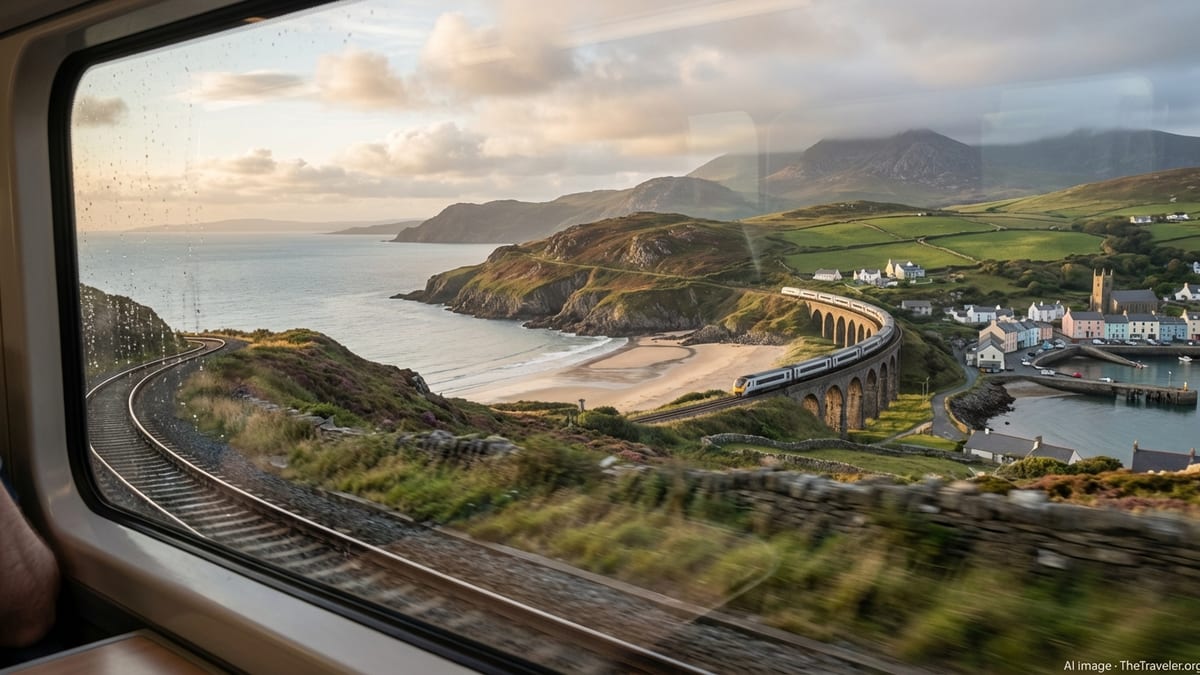
For visitors arriving from elsewhere in the UK or overseas, that identity is increasingly visible on key tourist lines such as the West Highland and Far North routes, as well as on suburban and commuter services around the central belt. The combination of refreshed branding and improved digital tools is intended to make the network easier to understand and use, while highlighting Scotland’s distinct cultural and linguistic heritage.
Implications for domestic and international visitors
The evolving role of ScotRail in 2026 carries particular significance for tourism. Expanded weekend and evening timetables open up more practical day‑trip options to destinations such as Stirling, Ayrshire, Fife and the Borders, reducing reliance on private cars for short leisure journeys. Train‑plus‑walk and rail‑to‑ferry combinations are expected to benefit as timetable planners seek better connections between key nodes.
On long‑distance routes, the planned arrival of the Class 222 fleet over the coming years may enhance comfort and reliability for domestic and international visitors heading to the Highlands and the north‑east. Combined with the ongoing roll‑out of electrification projects, this could gradually shorten journey times on some corridors and reduce the environmental impact of travel across Scotland.
At the same time, the withdrawal of very lightly used services and the need to work around intensive engineering programmes mean that flexibility remains important for trip planning. Travellers are being encouraged through public messaging to check the latest timetables close to departure and to leave extra time for connections, especially where rail replacement buses are in operation.
As Rèile na h-Alba continues to adjust to post‑pandemic travel patterns, 2026 is shaping up as a year of transition. Timetable reforms, a new intercity fleet on the way, a fares freeze and a refreshed digital platform all point toward a network that is attempting to balance its public service role with financial and environmental realities, while remaining an essential part of Scotland’s tourism offering.