


More news on this day
Seattle’s Link light rail network has restored trains through International District/Chinatown Station after a low-speed derailment of an empty train over the weekend blocked a critical rail junction and disrupted service for thousands of riders.
Get the latest news straight to your inbox!
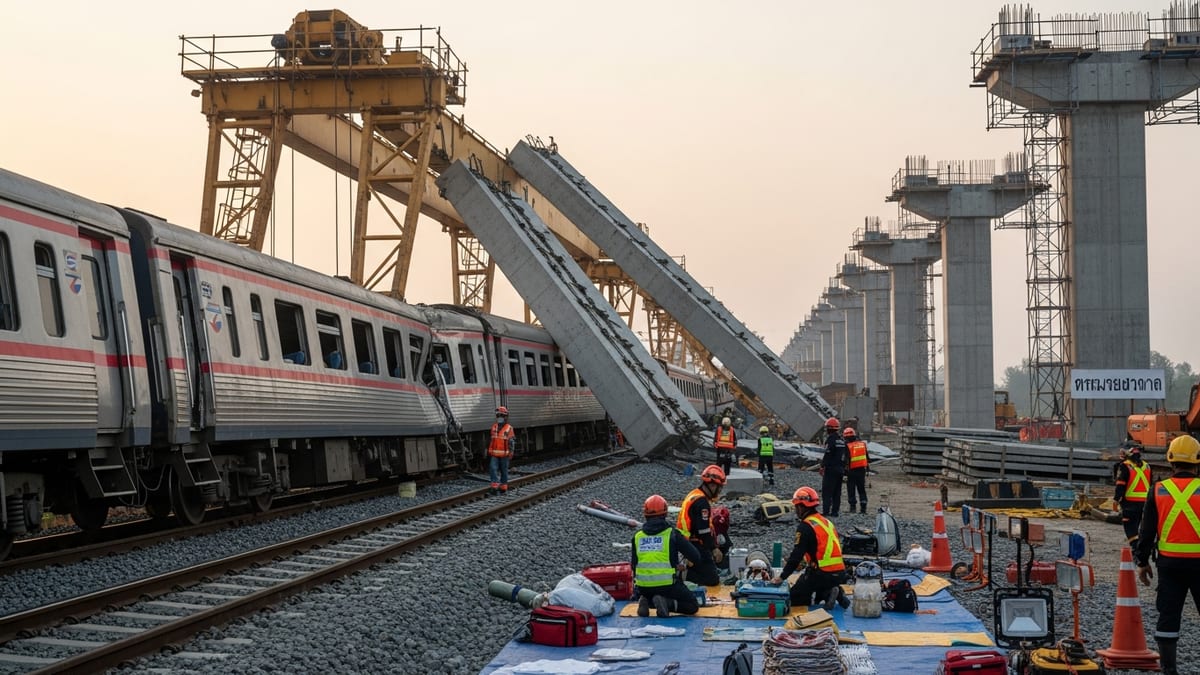
Service resumes through key downtown hub
Trains began running again through International District/Chinatown Station on Monday morning after intensive overnight track work brought Seattle’s Link light rail system back into operation through the corridor where a train derailed late Saturday.
Published coverage describes the incident as a low-speed derailment involving an out-of-service train entering the downtown tunnel near International District/Chinatown Station, a pivotal transfer point that connects regional buses, neighborhood routes and stadium traffic.
Reports indicate there were no passengers on board and no injuries, but the positioning of the derailed cars blocked both the main line toward Northgate and the connection used by Eastside-bound trains, forcing a suspension of service through the station for several hours on Sunday.
According to local news and transit updates, regular revenue service was restored once crews re-railed the train, inspected nearby infrastructure and cleared the tracks, allowing both northbound and southbound trains to pass the Chinatown platforms once again.
Bus bridges and detours during the shutdown
The derailment created an immediate gap in light rail coverage across downtown, prompting emergency bus bridges and rerouting that stretched into Sunday morning. Riders shared images and updates indicating long lines at surface stops and crowded buses replacing trains through the central segment of the line.
Publicly available rider accounts describe Sound Transit shifting operations so that some trains turned back before reaching the affected junction, while others were staged beyond the blockage to maintain partial service on outer segments of the network.
Because International District/Chinatown Station functions as a gateway to stadiums, Pioneer Square and the core business district, the loss of through-running service had outsized effects despite the derailment occurring at low speed and without injuries.
As rail service resumed, the ad-hoc bus bridges were gradually withdrawn, with agencies steering riders back to regular train service while advising that residual delays and crowding could continue during the morning peak.
Initial focus on track and switch infrastructure
With trains now operating again, attention is turning to what caused the derailment at one of the most complex pieces of track in the Link system. The approach to International District/Chinatown Station includes multiple switches that allow trains to enter and exit the downtown tunnel and to make turnaround moves near the station.
Transit enthusiasts and rail professionals commenting in public forums have pointed to the possibility of a switch problem or track alignment issue, noting that the movement involved an empty train being repositioned, rather than a routine passenger run at speed.
Published reports emphasize that the incident remains under internal review, with inspection of the rails, fastenings and switch mechanisms expected to guide any next steps. Similar investigations in other light rail systems have previously led to targeted replacement of components, stricter speed limits into junctions, or changes to operating procedures when trains are being turned around.
Until those findings are released, the immediate priority for the agency has been to verify that the line through the Chinatown station is safe for daily operations, including repeated test runs before reopening the tracks to full passenger service.
Rider confidence and corridor reliability
The derailment comes at a sensitive moment for Seattle’s regional rail network, as the Link system continues to expand and absorb more commuter, airport and event traffic. International District/Chinatown Station, already one of the busiest hubs on the line, is set to play an even larger role as extensions open north and east.
Transit advocates note in public commentary that even brief outages at this node can ripple across the region, pushing riders onto crowded buses and congested freeways. The weekend shutdown has prompted renewed calls for redundant routing options and clearer contingency planning for rail disruptions in the downtown core.
At the same time, the relatively swift resumption of service has been cited in local coverage as an indication that crews were able to contain physical damage to a relatively small section of track. Photos and rider videos circulating online show trains moving cautiously through the station as service ramps back up.
How quickly confidence returns may depend on the transparency of the eventual findings and whether the derailment is tied to an isolated equipment issue or a broader maintenance challenge in the downtown tunnel.
What comes next for the Chinatown segment
With trains again stopping at International District/Chinatown Station, transit planners are expected to review weekend operations and assess whether additional safeguards are needed during non-revenue moves, when empty trains are repositioned to fill gaps in service.
Industry practice in other cities following similar low-speed derailments has included installing more real-time monitoring of switch positions, enhancing training for operators on unusual track configurations, and scheduling more frequent ultrasonic or visual inspections of critical rail joints.
Observers in Seattle’s transit community are watching to see whether upcoming board briefings and public documents outline any comparable steps for the Chinatown junction. The station’s central role, combined with its tight urban footprint, makes service interruptions particularly visible to residents and visitors alike.
For now, riders arriving at the International District/Chinatown platforms will find trains back on the familiar pattern through downtown, a reminder of how crucial the light rail spine has become to Seattle’s daily commute and weekend outings.