


More news on this day
Rail services have begun to resume south of Bordeaux after a six-day shutdown triggered by major wildfires in Gironde, with SNCF gradually reopening tracks and warning of ongoing disruption for passengers heading toward the Atlantic coast and Spanish border.
Get the latest news straight to your inbox!
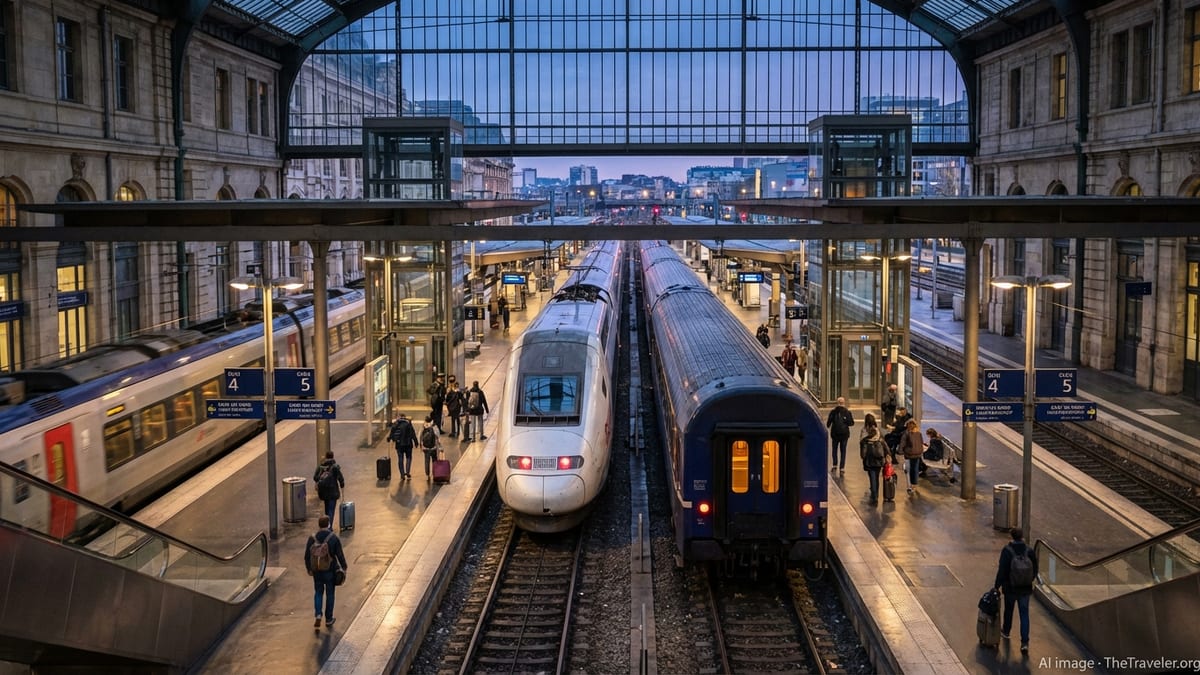
Gradual reopening after unprecedented six-day break in service
Publicly available information indicates that trains on key routes south of Bordeaux, including services toward Bayonne, Dax and Hendaye, are returning to operation after nearly a week of complete suspension. The halt followed intense wildfires in Gironde that crossed transport corridors and made access for firefighting operations a priority, leading to the interruption of both rail and sections of highway.
Reports from rail users and regional media describe a phased restoration of service, with the first trains circulating again shortly after infrastructure checks and safety inspections were completed. Initial timetables remain thinner than normal, and some trains are operating at reduced speeds where trackside equipment and catenary lines have required temporary protections or repairs in fire-affected zones.
Traffic south of Bordeaux had been halted between the city and the Morcenx sector, cutting a strategic north–south spine for long-distance and regional passengers. TGV services from Paris had been terminating at Bordeaux Saint-Jean, while regional TER services and international connections toward Spain were cancelled or replaced with alternative arrangements.
Damage inspections, safety checks and limited capacity
According to published coverage of the disruption, rail infrastructure teams spent several days inspecting ballast, sleepers, signalling equipment and overhead power lines along the affected stretch. High temperatures, falling debris and heavy smoke can affect signalling systems and line-side cabling, and even when visible damage is limited, national rail operators generally carry out detailed checks before authorising the return of traffic.
Once the immediate fire threat eased, attention shifted to assessing whether rails had been exposed to enough heat to alter their structural properties. Technical documentation on French rail operations shows that any suspected deformation or stress to the track triggers speed restrictions or temporary replacement of components, steps that can limit line capacity even after trains resume running.
As a result, the restored services south of Bordeaux are not yet back to normal levels. Passengers are being advised, through operator notices and journey-planning tools, to expect longer travel times, last-minute timetable adjustments and occasional cancellations while work continues on vulnerable sections and signalling is progressively returned to standard operating conditions.
Knock-on effects for summer travel and tourism
The six-day interruption arrived in the middle of the busy summer period, affecting holidaymakers heading to Atlantic coast resorts such as Arcachon and the Landes, as well as travellers bound for the Basque Country and northern Spain. Travel forums and social media posts from the past week highlight widespread confusion among visitors who found trains south of Bordeaux cancelled and local roads crowded or reserved to support firefighting and evacuations.
With rail services now restored, the region is seeing a gradual normalisation of travel patterns, although seat availability remains tight on some departures due to the backlog of rebooked passengers and ongoing reduced frequencies. Some travellers have been rerouted via alternative corridors, including detours through Toulouse, adding several hours to journeys that would usually rely on the direct coastal axis.
Tourism bodies and local businesses are watching the situation closely, as reliable rail access is central to visitor flows into coastal towns and inland destinations. Even short-lived closures can have a ripple effect on hotel bookings, car rentals and restaurant trade, particularly when combined with broader safety advisories related to wildfire conditions and heat.
Passenger rights, ticket changes and future resilience
In line with European rail passenger rules, travellers whose journeys were cancelled during the six-day closure have been offered fee-free exchanges or refunds. Information shared through public channels indicates that many passengers were encouraged to postpone non-essential trips to avoid burdening strained transport links while emergency services were fully mobilised.
Consumer organisations typically advise affected travellers to keep records of cancellations and additional expenses in case they seek compensation, although eligibility can vary when disruptions are linked to extreme weather or natural hazards. In situations involving wildfires, rail operators often frame the outage as a safety necessity, which can limit some compensation avenues while still allowing for reimbursement of unused tickets.
The episode is also prompting renewed debate about how European rail networks can adapt to more frequent climate-related disruptions. Previous incidents involving storms, floods and line-side fires in France and neighboring countries have already led infrastructure managers to strengthen vegetation management, invest in monitoring systems and refine contingency plans for rerouting trains when a corridor is suddenly cut.
What travelers should expect in the coming days
For now, publicly available journey planners show that southbound rail services from Bordeaux are once again listed, but with some gaps and alterations compared with standard summer timetables. Passengers heading toward Bayonne, Hendaye, Dax or Arcachon are being encouraged in public advisories to verify their specific train numbers shortly before departure and to build in extra time for connections.
Onboard conditions may also feel different in the immediate aftermath of the fires. Travellers have reported lingering smoke smells on some recent services running close to burned areas, as well as occasional short delays where speed restrictions are in place. These effects are expected to diminish as repair crews complete their work and vegetation around the tracks is stabilised.
Despite the challenges, the reopening of the line south of Bordeaux marks a significant step toward restoring normal mobility across southwest France. As firefighting operations continue elsewhere in the region, rail remains a crucial link for residents, tourists and cross-border journeys, and its swift return to service underscores the strategic importance of the corridor in the national network.