


More news on this day
Seattle’s Link light rail network is returning to regular service after an empty train derailed outside International District/Chinatown Station over the weekend, halting downtown trips and forcing thousands of riders onto hastily arranged shuttle buses.
Get the latest news straight to your inbox!
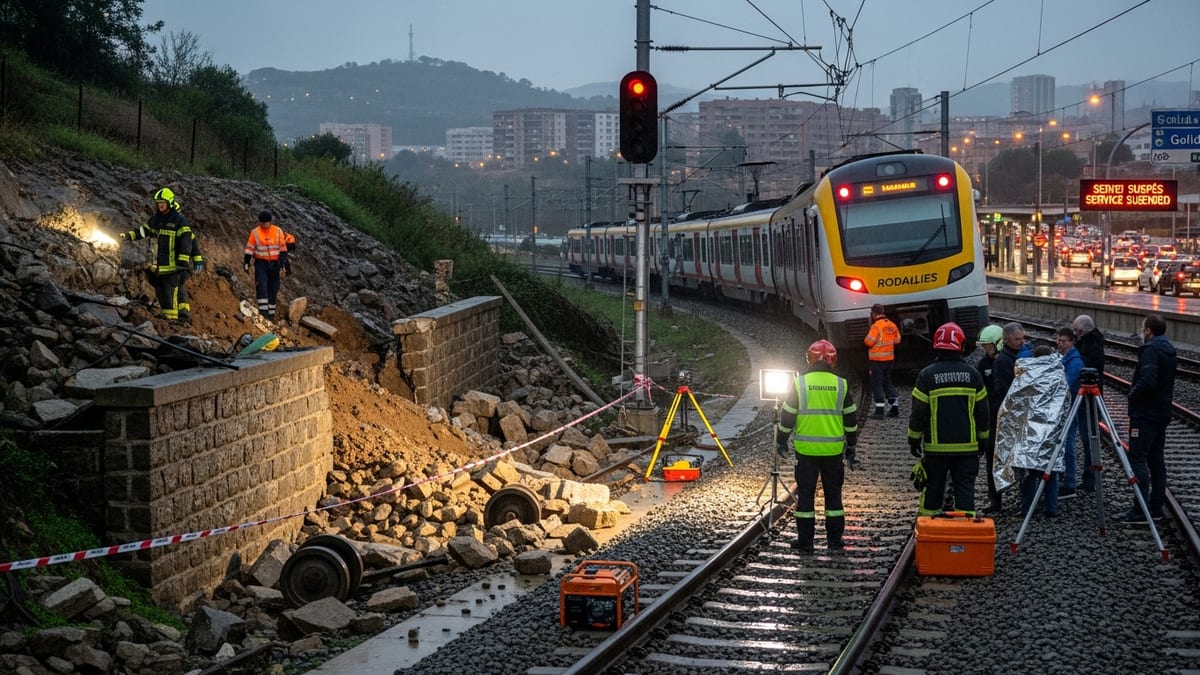
Service restored after weekend chaos downtown
According to published coverage and rider accounts, the low speed derailment occurred late Saturday as a train was entering International District/Chinatown Station from the Sodo direction. The train was not carrying passengers and initial reports indicate the operator was uninjured, but the railcar came to rest slightly off its intended path, blocking the tunnels that carry Link trains through the city center.
Publicly available information shows that Link trains were unable to operate through the downtown core for several hours on Sunday morning, with service split on either side of the obstruction. Riders traveling between Northgate, Capitol Hill and downtown, and those coming from Angle Lake and the south end, found trains turning back short of the International District, forcing lengthy detours.
To keep people moving, transit alerts and rider reports describe an impromptu bus bridge set up between key transfer points, including Capitol Hill, Sodo and Judkins Park. Buses substituted for trains through the affected segment while rail crews inspected tracks and equipment near the Chinatown platforms.
By late Sunday and into Monday, Sound Transit updates indicated that through service had been gradually restored, with Link trains once again operating across the downtown spine and serving International District/Chinatown Station for both 1 Line and 2 Line trips.
Inside the Chinatown derailment and investigation
Initial incident summaries and on the ground accounts suggest the derailed train had been moving out of service, performing a turnaround maneuver near the International District/Chinatown platforms before it was scheduled to begin carrying passengers toward the Eastside. During that switching movement, the train left the rails at low speed, stopping a short distance from the normal alignment.
Transit enthusiasts following radio traffic and control center messages reported that rail switches near the station became a focus of attention, with questions raised about their exact position at the time of the maneuver. Investigators are expected to examine track geometry, switch condition, signaling commands and train handling to determine how the car managed to ride up and out of the railhead.
Publicly available background material notes that derailments on the Link system are rare. The International District/Chinatown station area only recently became the junction where the long established north south 1 Line and the newer 2 Line toward Bellevue and Redmond diverge, concentrating complex trackwork and heavy event traffic near the ballpark and stadiums.
Technical reviews typically follow such incidents, including checks for damage to running rails, fasteners and power systems, and a close look at how the control center coordinated the switchback move. Depending on findings, recommendations can range from additional inspections and staff training to hardware modifications or changes in operating procedures for similar movements near passenger platforms.
Rider disruption, airport trips and event crowds
The derailment struck on a busy summer weekend, catching many baseball fans, airport travelers and late night downtown visitors by surprise. Rider accounts on social media describe packed platforms at Stadium and Capitol Hill as trains abruptly offloaded passengers and announcements directed people to street level bus shuttles instead of the usual through trains.
Travelers headed to Seattle Tacoma International Airport appeared to be among the hardest hit. With no through running via Chinatown, many airport bound riders had to transfer multiple times, combining short rail segments with crowded shuttle buses or switching to taxis and ride hail cars from downtown streets already clogged by event traffic.
Commuters and visitors reported confusion over shifting service patterns and alerts that emphasized delays without always explaining the exact nature of the disruption. Some riders said they abandoned the rail system entirely for the rest of the day, opting for carpools or driving themselves after hearing that downtown trains would not be operating normally for several hours.
The sudden loss of the north south light rail spine through the city center highlighted how dependent regional travel has become on the Link corridor for reaching the stadium district, Pioneer Square, downtown hotels and the airport. Even a single out of service train near a key transfer station created ripple effects that stretched across both the 1 Line and the 2 Line.
Safety record and renewed focus on resilience
Transit agencies often emphasize that rail travel remains statistically safer than driving, and the Link network has operated for well over a decade with relatively few derailments. Publicly available historical information indicates that this was only the second such incident affecting Link passenger service since trains began running in 2009, a record that compares favorably to many larger systems.
Even so, the Chinatown derailment is likely to sharpen attention on the resilience of Seattle’s expanding light rail grid. With the International District/Chinatown hub now functioning as a major junction connecting Northgate and Lynnwood to Bellevue and Redmond, any disruption there can quickly affect tens of thousands of daily trips.
Transportation analysts observing the episode point to the need for robust contingency planning, including pre planned bus bridge routes, clearer real time alerts and more detailed signage at platforms so that occasional riders understand where to go when trains are suddenly truncated or rerouted. Simulation based studies of urban rail networks have also underscored how disruptions at oversaturated hubs can cascade across entire regions if not managed carefully.
The weekend incident is expected to feed into ongoing discussions about adding crossovers, alternative turning points and more flexible operating patterns to give controllers additional options when track segments near key stations are blocked. Enhancements of that kind could help isolate future issues and keep a larger share of the network functioning even when a single train or switch experiences problems.
What returning riders can expect this week
With normal service advertised as resuming through International District/Chinatown, riders returning to Link in the days after the derailment may notice a few operational differences as the system settles back into routine. Trains could be subject to temporary speed restrictions near the affected switchwork while inspectors monitor how vehicles track over recently checked or repaired rail.
Passengers may also see additional staff at downtown stations ready to direct people and answer questions about any lingering delays. Message boards and public address systems are likely to highlight the return of through service between Northgate, downtown and the airport, as well as between Seattle and Eastside destinations such as Bellevue and Redmond.
Travelers are being encouraged, through publicly available notices, to allow extra time during the first weekday commutes after the incident in case minor schedule irregularities persist while operations fully normalize. Those with tight airport connections or time sensitive appointments are advised to check system alerts before leaving home and to consider backup options if further rail checks temporarily slow trains.
For most riders, however, the restoration of light rail through the Chinatown tunnel signals a swift return to the convenience that has helped Link become a central piece of the region’s transportation network. After a weekend that underscored the vulnerability of that link, the focus now shifts to learning from the derailment and reinforcing the system so that future disruptions are shorter, rarer and easier for passengers to navigate.