


More news on this day
Security staff at Aberdeen Airport are preparing to stage a series of walkouts over pay this summer, creating the prospect of longer queues, delays and possible disruption for passengers using one of Scotland’s key regional hubs.
Get the latest news straight to your inbox!
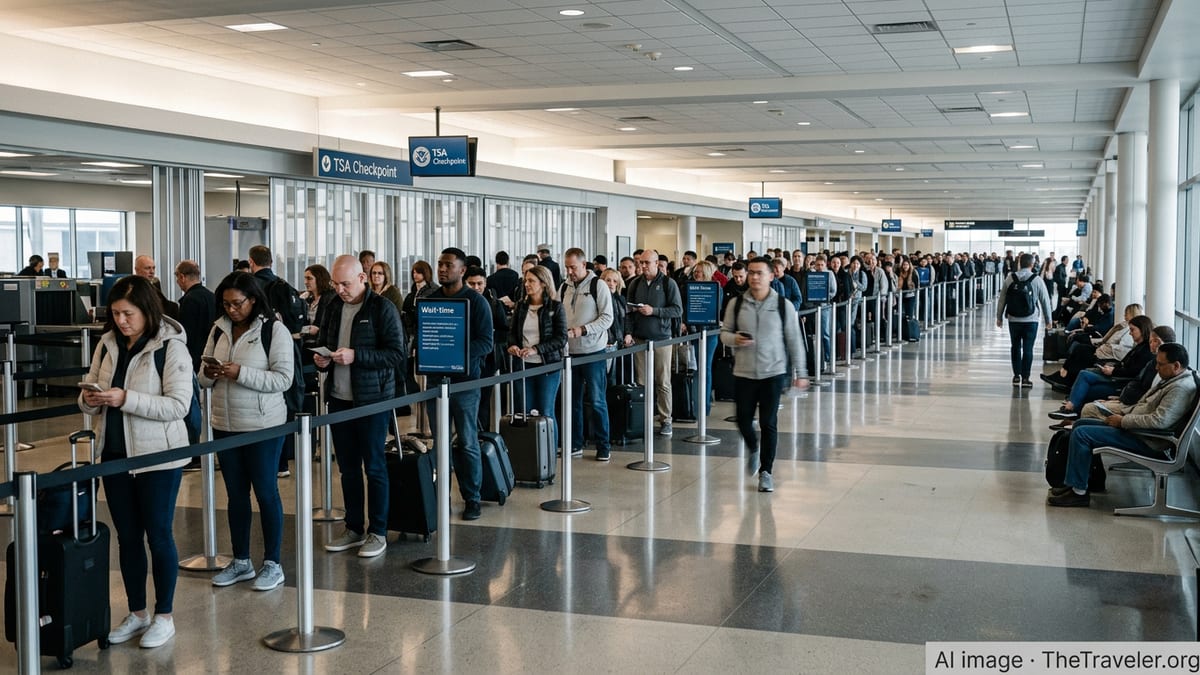
Fourteen strike days planned across July and August
Reports from industry outlets indicate that security workers employed by contractor ICTS at Aberdeen Airport have backed strike action in a dispute over pay, with a schedule of 14 strike days set across July and early August. Coverage in specialist travel media states that the first stoppage is expected to take place on July 6, followed by alternating days of action throughout the month and a final date on August 1.
The walkouts are scheduled to fall across busy summer travel weekends and midweek periods, a pattern that is likely to intensify pressure on check in and security screening at peak times. The timing coincides with the school holiday period in Scotland and with an expanded summer schedule at Aberdeen, including additional leisure services to European destinations.
Information published by travel trade sources suggests that the strike mandate follows a ballot in which a substantial majority of participating security staff voted in favour of industrial action after rejecting a pay offer. The dispute forms part of a wider period of labour tension at the airport, where other groups of workers have also been balloted over pay conditions in recent months.
While earlier threats of walkouts by some airport employees were lifted after revised offers were accepted, security staff are reported to have remained in dispute, with no new deal announced at the time the strike dates were publicised. As a result, security operations sit at the centre of the current industrial unrest.
Potential impact on queues, flight schedules and connections
Publicly available information on the planned action highlights that the security staff involved work on central search and hold baggage screening, which are critical points in the departure process. Any reduction in staffing levels at these areas can lengthen queue times, force earlier cut offs for checked baggage and place pressure on airlines to adjust schedules or consolidate services.
Aberdeen Airport’s own consultative committee documents show that the airport has historically maintained strong performance on queue times, with more than 98 percent of passengers in 2025 reportedly clearing security within target waiting thresholds. A prolonged period of industrial action has the potential to test that record, particularly at early morning peaks when offshore, domestic and international flights often overlap.
Travel management companies monitoring the situation have begun advising corporate clients to plan for possible delays, allowing additional time before departure and preparing for knock on effects to connecting journeys via hub airports in London or mainland Europe. Holidaymakers heading for charter and low cost flights during the school break are also being encouraged, through publicly shared guidance, to arrive earlier than usual where airline check in desks permit.
Experience from previous security strikes at other major European airports suggests that the degree of disruption can vary significantly depending on how many staff participate, what contingency measures are put in place, and whether walkouts coincide with peak travel days. Passengers at Aberdeen may see periods of relative normality on non strike days contrasted with heavier congestion on dates when staffing is most constrained.
Context of wider airport pay disputes in Scotland
The planned security strike at Aberdeen comes against a broader backdrop of industrial disputes across Scotland’s aviation sector. Recent weeks have seen separate ballots and negotiations involving firefighters, airfield operators, technicians and administrative staff at the airport, as well as wage talks at other Scottish gateways such as Edinburgh and Glasgow.
Business organisations in the north east have publicly noted that initial threats of a wider shutdown at Aberdeen were eased when improved offers were reached with some groups of airport workers, allowing them to stand down planned industrial action. However, published union statements indicate that the security workforce has not yet reached similar agreement, leaving security screening as the flashpoint for continued unrest.
Unions representing airport staff have also been drawing attention to the pressures on front line workers. A recent campaign focusing on abuse of airport employees across Scotland, highlighted in workplace reporting, described high levels of verbal aggression and intimidation experienced by security and customer facing teams. Against this backdrop, pay negotiations have increasingly incorporated discussions about staffing levels, workload and workplace safety.
The Aberdeen dispute also intersects with longer term investment demands related to compliance with new UK aviation security requirements. Consultative documents from the airport refer to ongoing expenditure linked to so called next generation security standards, which are reshaping the way cabin baggage screening and liquid rules are implemented across the country. Industrial disagreements over pay are unfolding in parallel with these structural changes.
What passengers using Aberdeen Airport should consider
For travellers planning to use Aberdeen Airport on or around the announced strike days, travel industry guidance emphasises preparation and flexibility. Airlines typically remain responsible for operating their schedules, but the airport environment passengers encounter can be affected by staffing levels at security checkpoints and baggage screening areas.
Passengers are being encouraged, through widely shared travel advice, to monitor updates from their airline regarding check in opening times and any schedule adjustments, as well as to keep a close eye on the latest information issued on the day of travel. Where possible, travelling with hand luggage only, ensuring that liquids and electronics are packed in line with current rules, and arriving well ahead of departure can all help mitigate the risk of missing a flight due to longer than expected queues.
Travellers with onward connections via London or European hubs may wish to build in extra transfer time, particularly on the earliest strike days when the impact on security queues at Aberdeen is hardest to predict. Travel agents and corporate travel managers are also likely to play a role in advising on alternative routings if significant disruption develops.
For now, flights continue to operate and there is no blanket closure of the airport, but the upcoming series of walkouts means that passengers using Aberdeen over the summer should plan ahead and be prepared for conditions at the terminal to be busier and less predictable than usual.