


More news on this day
Severe weather over the Denver metro area has disrupted operations at Denver International Airport, with publicly available tracking data showing 237 delayed flights and one cancellation as thunderstorms and unstable air moved across the region during a peak summer travel period.
Get the latest news straight to your inbox!
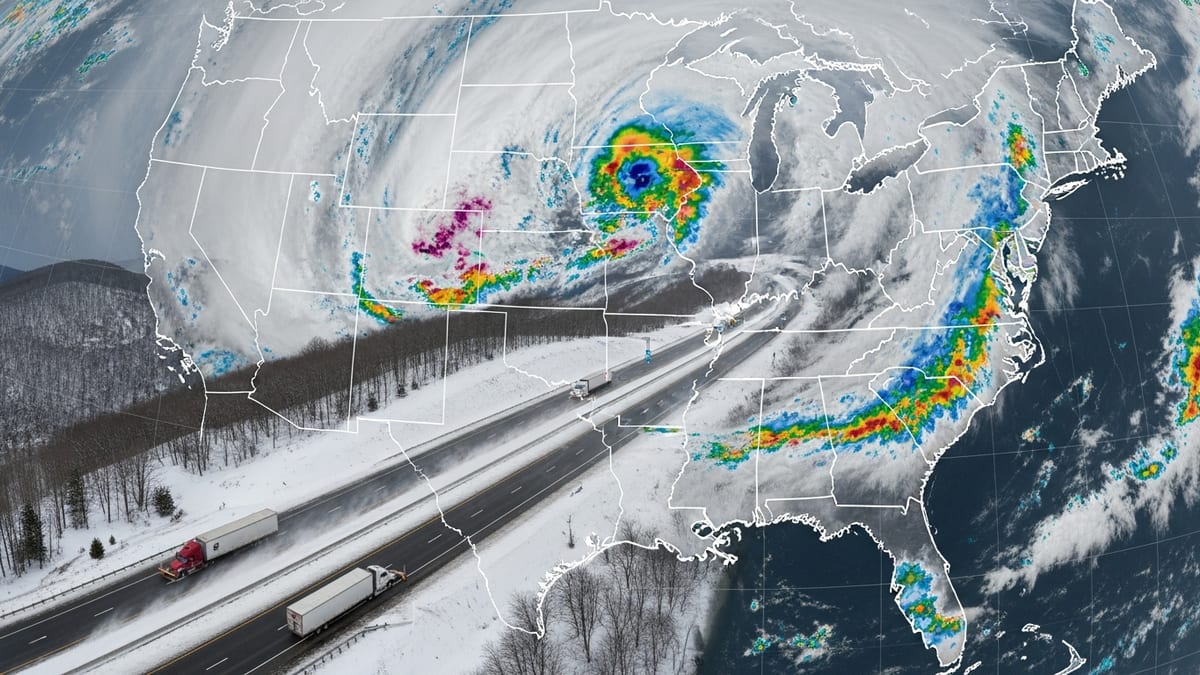
Storms Disrupt One of the Nation’s Busiest Hubs
According to published coverage from aviation and travel industry outlets, the cluster of delays and the single cancellation at Denver International Airport occurred as strong thunderstorms and convective weather developed over the Front Range on June 28, creating challenging conditions for both arrivals and departures. The pattern followed an already active June in Colorado, with repeated afternoon storms affecting air traffic around Denver.
Tracking services cited in recent reports indicated that major carriers at the airport, including United Airlines, Southwest Airlines, Frontier Airlines, American Airlines and Delta Air Lines, all experienced schedule disruptions. The delays affected a mix of short-haul and long-haul routes, including flights to key domestic hubs such as Chicago, New York, Los Angeles, Las Vegas, Phoenix and Dallas, along with selected international services.
Operational data compiled by airline analytics platforms show that Denver International Airport, one of the busiest airports in North America by passenger volume, is particularly sensitive to convective weather in summer. Thunderstorms building rapidly along the Front Range can halt ramp operations, slow arrivals and departures and trigger ground delay programs when airspace becomes saturated.
The latest wave of delays comes as Denver continues to see strong passenger demand in early summer 2026, adding pressure to keep traffic flowing during periods of unstable weather. Even relatively short interruptions can ripple through the schedule, leading to late arrivals that push subsequent flights behind schedule.
Why 237 Delays Resulted in Only One Cancellation
Travel-industry reporting on the disruption notes that, while the number of delayed flights at Denver was significant, cancellations remained minimal, with only one flight recorded as canceled. Analysts point out that this pattern is typical of short-lived but intense storm cells, which often cause airports to briefly halt or slow operations without forcing widespread schedule write-offs.
When thunderstorms pass through quickly, airlines are often able to hold flights on the ground or in departure queues, then work through the backlog once conditions improve. This strategy can translate into longer than usual taxi or gate-hold times, yet it avoids the more disruptive step of canceling large numbers of flights and rebooking hundreds or thousands of travelers.
Publicly available aviation performance data reviewed for this event suggest that Denver’s hub carriers focused on preserving network connectivity by delaying flights rather than canceling them. Protecting long-haul and international services is often a particular priority, since those flights can be more difficult to re-accommodate if they are scrubbed entirely.
Experts who track airline performance also note that the balance between delays and cancellations is shaped by aircraft and crew positioning across the day. Because the storms affected Denver after many morning departures were already airborne, airlines had greater flexibility to absorb late-afternoon and evening delays without creating widespread aircraft or staffing shortages.
Passenger Experience and Operational Strain
Reports from the scene and recent local coverage of similar events in June indicate that passengers at Denver once again faced crowded gate areas, longer waits at concession stands and heavy demand for customer-service assistance as delays mounted. Travelers with tight connections were among the most affected, as rolling departure-time changes made it difficult to predict whether onward flights would still be reachable.
While only one cancellation was recorded, the cumulative impact of 237 delayed flights translated into hours of additional waiting for many passengers. For some, even relatively modest delays disrupt ground transportation plans, hotel bookings and business appointments at their destinations.
Aviation data and prior Federal Aviation Administration traffic reports highlight the strain such events place on airport operations. Ground crews must repeatedly adjust aircraft turnarounds, gate assignments and fueling schedules as departure times shift. Air traffic managers, meanwhile, balance safety margins in storm-affected airspace with the need to move as many flights as possible once conditions allow.
The June 28 disruption followed earlier weather-related slowdowns at Denver this month, including thunderstorms and a tornado warning in the region that previously prompted a ground stop and substantial delays. Those earlier incidents demonstrated how quickly severe weather can transform a routine travel day into a logistical challenge for both airlines and passengers.
Weather, Geography and Ongoing Vulnerability
Denver’s location near the Rocky Mountains and its elevation contribute to a distinctive summer weather pattern that frequently affects aviation. Meteorological summaries for the region point to a recurring mix of heat, moisture and unstable air that can generate fast-developing thunderstorms, gusty winds and lightning near the airport.
These conditions are especially problematic for ramp workers and ground handling operations, which must pause when lightning is detected in the vicinity. Even when storms are not classified as severe, they can significantly slow the rate of arrivals and departures, forcing airlines and air traffic controllers to meter traffic more carefully to maintain safety margins.
Federal aviation performance documents for 2026 have also noted that construction and modernization projects at major hubs, including Denver, can amplify the impact of disruptive weather by temporarily reducing capacity on runways or taxiways. When a storm system overlaps with constrained infrastructure, delays can escalate more quickly than they might under normal conditions.
Industry observers suggest that the combination of geography, seasonal storm patterns and ongoing infrastructure changes means Denver is likely to see further weather-related disruptions as the summer progresses. As climate trends continue to influence the frequency and intensity of severe weather events, airports across the central and western United States are expected to face similar operational challenges.
What Travelers Can Do on High-Risk Weather Days
Consumer travel advisories referencing the June 28 delays at Denver emphasize the importance of preparation when severe weather is in the forecast. Passengers are encouraged to monitor flight-status tools provided by airlines, sign up for mobile alerts and allow extra time for security screening and boarding when storms are expected.
Travel-rights resources also note that compensation rules differ depending on whether a disruption is classified as weather-related or stems from controllable factors such as crew scheduling or mechanical issues. In many jurisdictions, airlines are not required to provide vouchers or hotel rooms for delays caused by severe weather, making proactive planning especially important for travelers connecting through storm-prone hubs.
Experienced flyers often recommend scheduling earlier departures during the summer storm season, when feasible, to reduce the risk that afternoon thunderstorms will disrupt travel. Choosing longer connection times and avoiding very tight layovers can also help limit missed connections when rolling delays affect a hub like Denver.
The events at Denver International Airport illustrate how a single day of volatile weather can ripple across a complex national and international network. With 237 flights delayed but only one canceled, the episode underscores both the resilience and the fragility of modern air travel in the face of increasingly dynamic weather patterns.