


More news on this day
San Francisco International Airport is accelerating a shift toward hotel-style comfort, adding private sleep suites, spa-inspired showers and a growing roster of premium lounges aimed at weary and high-spending travelers alike.
Get the latest news straight to your inbox!
Private bedrooms arrive behind security
For travelers facing red-eye departures or early-morning connections, one of the most noticeable upgrades at San Francisco International Airport is the arrival of pay-by-the-hour private suites inside the terminal. Lease documents from the City and County of San Francisco show that Minute Suites Travelers Retreat SFO, LLC secured a long-term concession in Harvey Milk Terminal 1, signaling a move to bring enclosed rooms, daybeds and quiet workspaces directly airside.
Across its network, Minute Suites markets compact rooms equipped with couches that convert to beds, sound-masking systems, work desks and streaming entertainment, typically bookable in hourly blocks or overnight. Publicly available information on the company’s operations indicates that locations are designed specifically as an alternative to sleeping in gate areas or leaving the secure zone for an airport hotel, a model SFO is now adopting within its domestic terminal footprint.
City commission filings show the lease at SFO carries a multi-year term and a minimum annual guarantee, underlining the airport’s expectation that demand for in-terminal rest will remain strong. The move aligns SFO with a growing number of large hubs featuring sleep pods or private micro-hotel rooms, including major airports in Atlanta, Philadelphia and Salt Lake City where similar facilities are already operating.
Once fully built out, the Harvey Milk Terminal 1 suites are expected to complement rather than compete with nearby hotels along the Bayshore corridor by focusing on short, intra-day stays and late-night layovers. For many passengers, the appeal is the ability to remain within the secure zone until boarding, avoiding an extra round of security screening.
Showers and spa-style amenities gain ground
The push for better rest at SFO is paired with a broader emphasis on personal care, particularly access to showers and spa-quality bathrooms. Minute Suites’ model often integrates access to nearby restrooms or in-suite facilities, and SFO’s existing mix of airline and independent lounges already offers shower rooms in several locations, particularly in the international terminal.
Airline-branded lounges serving long-haul routes from SFO, including transpacific and South Asian services, typically feature shower suites for eligible passengers. Public lounge listings on the airport’s site highlight multiple facilities that prioritize refreshed, “arrive ready” travel, a standard that is gradually expanding into more domestic-focused spaces as business travelers and premium leisure passengers signal willingness to pay for comfort.
Industry research on U.S. airport lounges released over the past year points to amenities such as showers, quiet zones and high-quality food as significant drivers of customer satisfaction. SFO’s recent moves appear to tap into that trend, positioning the airport to compete more directly with hubs where luxury showers and nap rooms have become an expected part of the premium experience.
For travelers not holding elite status or premium tickets, the combination of pay-per-use suites and lounges accessible through credit card memberships or day passes is broadening access to showers and rest spaces. That shift is gradually changing the default layover from a seat at an overcrowded gate to a more controlled, private environment, at least for those willing to spend extra.
Premium lounges multiply across terminals
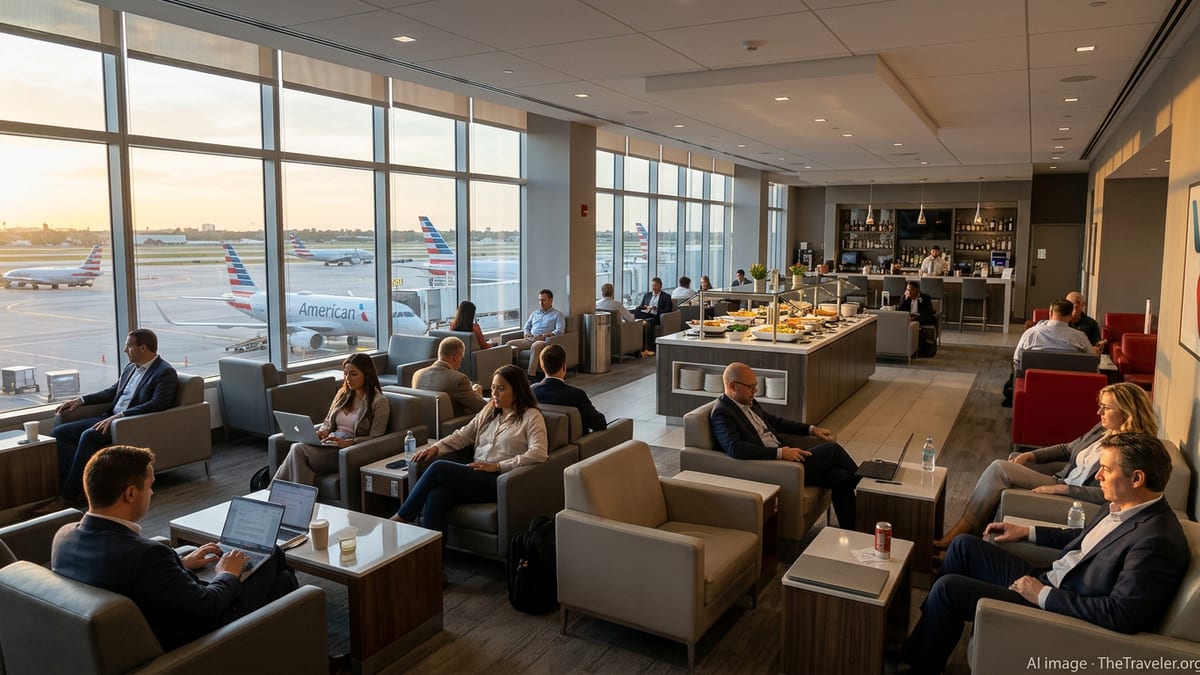
Alongside sleep suites and showers, SFO is seeing a steady expansion in traditional lounges, from airline-branded clubs to third-party spaces aligned with major credit-card programs. The airport’s own lounge directory now spans multiple locations across the international terminal and domestic concourses, including Delta Sky Club, United Club, Emirates Lounge, The Club SFO and others that cater to different airline alliances and passenger tiers.
In the premium-airline segment, one of the newest arrivals is Air India’s Maharaja Lounge at SFO, which opened in May 2026 for eligible passengers on the carrier’s long-haul flights. According to the airline’s own descriptions, the space brings dedicated zones for first and business class guests and is designed to showcase Indian hospitality for travelers connecting between North America and India through San Francisco.
Credit-card-linked lounges are also tightening their grip on the market. Chase lists SFO within its Sapphire Lounge network footprint, giving qualifying Sapphire Reserve cardmembers access through a partnership with The Club and the wider Priority Pass ecosystem. Publicly available details indicate that cardholders can tap into a mix of branded lounges and partner facilities at SFO, adding another layer of options beyond airline status alone.
Recent traveler reports and discussion on loyalty forums emphasize both the growing variety and the persistent crowding at many of SFO’s lounges, particularly during peak morning and evening waves. That tension between demand and capacity has helped fuel calls for larger, more luxurious spaces that can better absorb traffic while maintaining a high level of service.
Design concepts point to larger, more luxurious spaces
Planning and design documents released by San Francisco International Airport in recent months highlight an ongoing focus on reimagining premium spaces within the terminals. One recent concept package associated with an upcoming lounge area references a “Cloud Lounge” theme, with design language centered on calm, light-filled interiors, flexible seating zones and a sense of separation from the bustle of the concourse.
These concept materials indicate that SFO is gravitating toward multi-zone lounges that can handle a wide spectrum of traveler needs, from quiet work and rest to full-service dining and bar areas. The inclusion of dedicated wellness or relaxation corners within these designs suggests that features such as nap areas and enhanced shower suites are likely to be a core part of future construction or renovation projects.
Airport capital-planning slides published this year also outline a series of concession and lounge opportunities scheduled through late 2026, underscoring that the build-out of high-end passenger facilities will continue beyond the first wave of suites and new clubs. While specific tenants are not always named in these early-stage documents, the scale of some of the identified footprints suggests that SFO is preparing for sizable, next-generation lounges potentially comparable to flagship spaces at other major U.S. gateways.
For airlines and financial institutions, these larger lounges offer a platform to differentiate loyalty programs, often by layering on signature food partnerships, bar programs or destination-inspired design elements. For SFO, the strategy aligns with positioning the airport as a West Coast gateway where ground experiences can rival the inflight product on long-haul aircraft.
What travelers can expect in the near term
As construction and fit-out work progresses, travelers at SFO are already seeing incremental changes in how and where they can rest, work and freshen up. The most immediate impact is likely to come from the opening of new private suites in Harvey Milk Terminal 1, which will introduce bookable bedrooms and quiet rooms inside one of the airport’s busiest domestic concourses.
Concurrently, the continuing rollout and refinement of lounges tied to airlines and credit-card programs is gradually reshaping the premium landscape. Expanded access to spaces such as The Club SFO through bank partnerships, alongside new airline lounges like Air India’s Maharaja space, widens the range of environments available before departure or after arrival.
Travelers should expect some variability during the transition period, including temporary construction zones, evolving access rules and capacity controls that can limit walk-up entry during peaks. Published lounge access policies and crowding reports indicate that advance planning, including checking access eligibility and considering off-peak travel times when possible, remains important for those seeking a guaranteed seat or shower.
Over the next 12 to 24 months, SFO’s investment in sleep suites, showers and luxury lounges is set to further blur the line between terminal and hotel. For passengers navigating long-haul itineraries or unpredictable delays, the result is likely to be a more comfortable, customizable layover experience with a growing menu of premium options at a price.