


More news on this day
Emirates has issued a summer travel warning for customers flying from Dubai International Airport’s Terminal 3, cautioning that passenger volumes will surge from the first weekend of July and remain elevated throughout the school holiday period.
Get the latest news straight to your inbox!
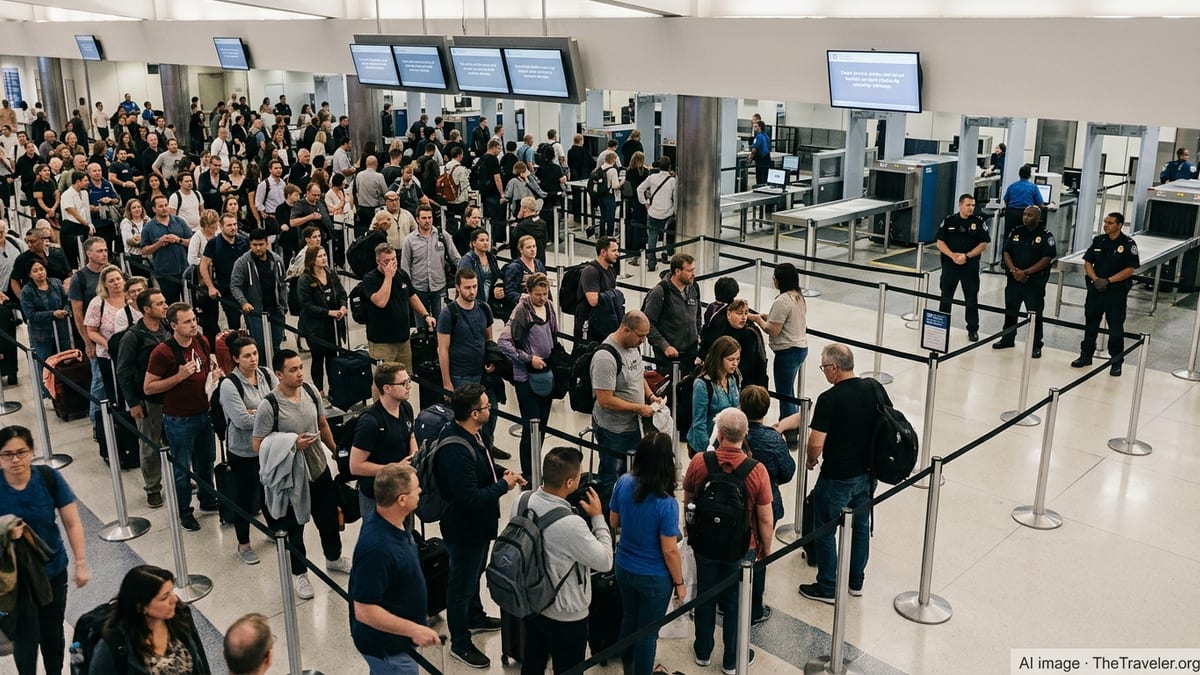
Summer rush begins with packed early July departures
Publicly available information from Emirates and Dubai media outlets shows that the airline expects particularly heavy departure traffic from July 3 to 5 at Dubai International Airport, as UAE residents begin their school holiday getaways. The carrier has framed this as the opening phase of a broader summer peak, with weekend flows forecast to stay consistently high across July.
Reports indicate that Dubai International Airport is preparing to welcome around 3 million passengers during the first half of July alone, with a sharp rise in outbound traffic beginning July 2. Forecasts suggest daily traffic will regularly exceed 200,000 passengers, underlining the intensity of demand across the airport’s three terminals and especially at Emirates’ dedicated Terminal 3.
Operational summaries published by regional outlets highlight July 12 as one of the busiest projected dates, with more than 225,000 travelers expected to pass through Dubai International in a single day. Against this backdrop, Emirates is positioning its advisory as a practical warning aimed at helping passengers navigate the pressure points created by such concentrated volumes.
Early arrivals and strict timing urged at Terminal 3
According to guidance shared through Emirates’ official customer channels and summarized in travel industry coverage, passengers departing from Terminal 3 are being urged to arrive at the airport at least three hours before their scheduled flight. The airline is also reiterating that travelers should complete immigration formalities roughly 90 minutes before departure and be at the boarding gate one hour before take-off.
The airline’s published advice stresses that these timings are not simply recommendations but are designed to absorb longer queues at check-in, security and passport control during the peak summer period. With traffic bottlenecks also anticipated on roads approaching the airport, the carrier is advising passengers to factor in delays before they even reach Terminal 3.
Industry reports describe Emirates’ tone as firmer than a routine holiday reminder, with the carrier signaling that passengers who cut arrival times too fine may struggle to clear all airport checkpoints in time. The message places particular emphasis on families and group travelers, who typically require more time at check-in and security than solo passengers.
Self-service options promoted to ease check-in bottlenecks
Alongside the timing guidance, publicly available information from Emirates highlights a push toward self-service and off-airport options to reduce pressure on Terminal 3 counters. The airline is promoting its online and mobile check-in services, which open 48 hours before departure, allowing passengers to obtain boarding passes ahead of time and shorten their time at the airport.
Emirates is also directing eligible customers to use dedicated self-service kiosks in Terminal 3 for baggage tag printing and drop-off. By shifting simple transactions away from staffed desks, the carrier aims to free up counter capacity for complex itineraries and passengers needing additional assistance, particularly during the busiest early-morning and late-evening departure banks.
Travel coverage notes that the airline is repeating earlier guidance to ensure passports, visas and health documentation are checked and organized before leaving home. The intention is to avoid last-minute issues at the airport that can cascade into missed flights when queues and processing times are running above normal summer levels.
Airport-wide measures as DXB prepares for three million travelers
Separate updates from Dubai Airports and regional news outlets indicate that the summer preparation effort extends well beyond Emirates’ own operations. Dubai International Airport has activated a broader peak-season plan aimed at managing the flow of roughly three million passengers expected in the first half of July, including both origin-and-destination travelers and a large proportion of transfer passengers connecting through the hub.
Officials have previously used similar peak periods to limit terminal access to ticketed passengers only and to restrict curbside areas at Terminals 1 and 3 to public transport and authorized vehicles. Recent reporting suggests a renewed focus on keeping forecourts clear, in order to prevent traffic gridlock that can slow down drop-offs and complicate timing for already time-pressed travelers.
Airport briefings carried by regional media describe a coordination effort involving airlines, ground handlers, immigration, security and retail operators. The shared objective is to keep queues moving and maintain on-time performance as closely as possible while the airport operates near its upper capacity range for several consecutive weeks.
What DXB passengers should expect in the coming weeks
Based on the latest public advisories, passengers flying with Emirates from Dubai can expect crowded departure halls, longer waits at security and immigration, and busy boarding gate areas across much of July. While the airline and airport are emphasizing that operations continue, they are also signaling that a smooth journey will depend heavily on travelers adhering to the advised arrival and check-in timelines.
Travel reports suggest that early-morning and late-night banks, when many long-haul Emirates services depart, are likely to be the most congested periods in Terminal 3. Families traveling with children, passengers with reduced mobility and those carrying excess baggage are being encouraged to allow additional buffer time beyond the standard three-hour guidance.
Industry commentators note that the current Emirates advisory appears to treat the 2026 summer as a sustained operational peak rather than a brief surge around a single weekend or holiday. For passengers, that means the warning is relevant not only to the first July weekend but to the full school holiday window, where consistently high demand will test both airline and airport capacity at Dubai’s main international gateway.