


More news on this day
Flights between Somalia and Kenya remained suspended for a second consecutive day on August 31, 2026, leaving hundreds of passengers stranded in Mogadishu, Nairobi and beyond as disruption ripples across regional travel networks.
Get the latest news straight to your inbox!
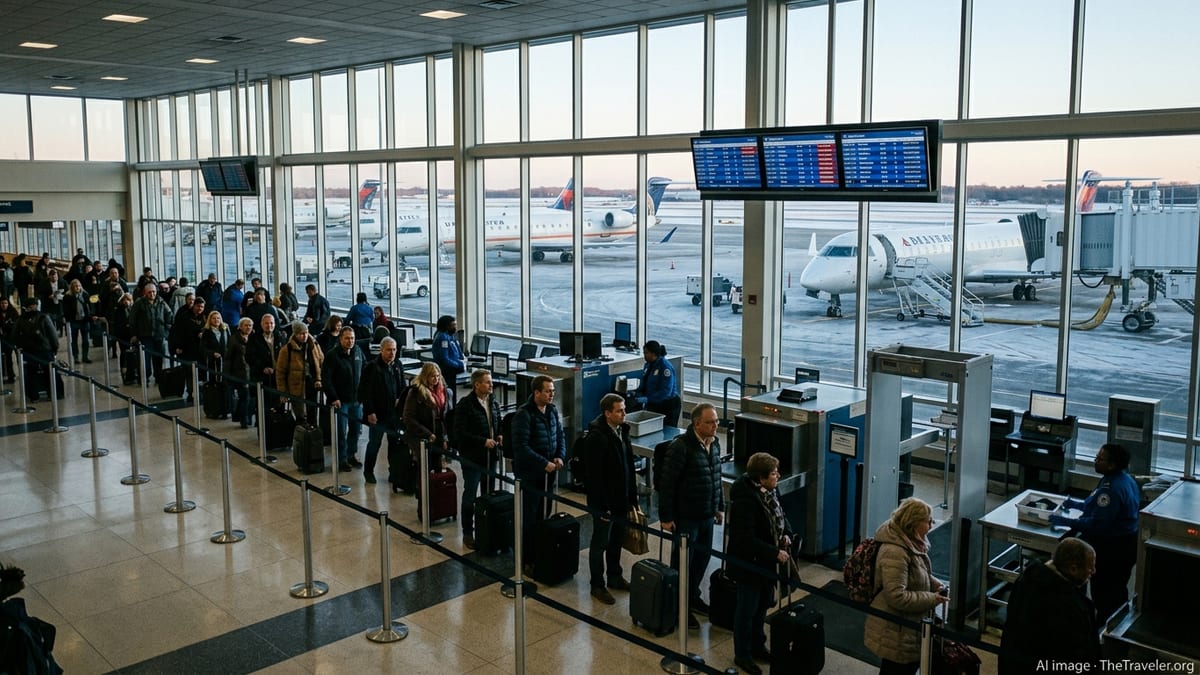
Air Corridor Between Mogadishu and Nairobi Falls Silent
Publicly available information from regional news outlets indicates that direct flights between Somalia and Kenya, particularly services linking Mogadishu and Nairobi, have been halted since the weekend and were still not operating on Monday. Reports describe departure boards at Aden Adde International Airport in Mogadishu and Jomo Kenyatta International Airport (JKIA) in Nairobi showing Somalia–Kenya services as cancelled or suspended for a second consecutive day.
The standstill affects one of East Africa’s most heavily used short-haul corridors, a route frequently relied upon by business travelers, aid workers, medical patients and members of the Somali diaspora who use Nairobi as a hub for onward long-haul flights. Travel coverage from Somali and Kenyan outlets notes that flights have been disrupted in both directions, trapping travelers at origin, in transit and at third-country hubs where they were due to connect via Nairobi.
Somali-focused reporting specifies that the suspension is not limited to a single carrier, but has affected multiple operators serving the Mogadishu–Nairobi market. Historical route data show that air links between the two countries have been sensitive to both operational pressures and politics in recent years, including earlier periods when commercial flights were curtailed or adjusted because of bilateral tensions or airline-specific challenges.
Regional Strike and Operational Turmoil Deepen Disruptions
Coverage from Kenyan and international media connects the latest Somalia–Kenya flight disruption to wider operational turmoil at major Kenyan airports, particularly JKIA in Nairobi. Over the weekend, aviation workers’ go-slows and strike actions linked to the Kenya Aviation Workers Union were reported to have triggered extensive delays and cancellations across domestic and international networks, including services that connect to Somalia.
Additional reports from local outlets describe check-in counters overwhelmed by backlogs, aircraft held on the ground for hours and overnight crowds forming in terminal buildings as passengers waited for news of rescheduled departures. Kenya Airports Authority advisories referenced in published coverage have urged travelers to confirm flight status with their airlines before heading to the airport and warned that delays could persist while air traffic and ground operations remain constrained.
The compound effect of the industrial action has been particularly severe for flights to and from Somalia because many of these services depend on tightly timed rotations and connecting traffic. With crews, aircraft and passengers displaced across the network, publicly available accounts suggest that certain Somalia–Kenya routes have been temporarily pulled from schedules rather than operated with rolling delays, leading to a more complete suspension on the second day.
Hundreds of Travelers Stranded Across East Africa and Beyond
Somali and Kenyan news sites describe scenes of frustration and fatigue among passengers who have been unable to reach or leave either country. In Mogadishu, travelers bound for medical care, business meetings or family reunions in Kenya have reportedly seen flights cancelled with little clarity on when services will resume. In Nairobi, travelers attempting to return to Somalia or connect onwards via Mogadishu have similarly been left in limbo.
Coverage from regional outlets highlights that the disruption extends well beyond the two capitals. Passengers connecting through JKIA from other African cities and from the Gulf have found themselves stranded at intermediate hubs after onward flights to Somalia were halted. Some reports mention travelers facing mounting hotel bills, missed work commitments and the risk of losing prepaid safaris or tours as itineraries unravel.
Travel commentary and social media posts referenced in news coverage indicate that airlines have responded unevenly, with some carriers arranging accommodation or rebooking options and others directing passengers to seek alternative routes on their own. With air links between Somalia and Kenya suspended rather than simply delayed, many travelers have limited choices beyond waiting, rerouting through third countries or cancelling trips altogether.
Economic, Humanitarian and Tourism Impacts Mount
Aviation and business analysts cited in published reporting note that the Somalia–Kenya air corridor plays an outsized role in regional commerce, humanitarian access and tourism. Nairobi serves as a central logistics and financial hub for organizations operating in Somalia, meaning that any prolonged interruption to flight connectivity can slow deal-making, complicate project oversight and delay the movement of staff and supplies.
For humanitarian and development agencies, the disruption threatens to increase costs and extend timelines for rotating personnel or delivering time-sensitive cargo that normally travels as belly freight on passenger services. Medical travelers, who often rely on Nairobi for specialized treatment unavailable at home, are particularly exposed to uncertainty when flight options narrow without a clear resumption date.
Tourism flows are also at risk. Kenya’s safari sector is in a key season for international visitors, and the current travel disruption coincides with a period when many travelers route through Nairobi on multi-country itineraries that sometimes include Somalia’s coastline or diaspora visits. Industry commentators quoted in media coverage warn that repeated episodes of large-scale disruption can undermine traveler confidence in the reliability of East African transit hubs.
Unclear Timeline for Resumption of Services
As of the afternoon of August 31, publicly available information from regional news outlets indicates that there was still no firm timeline for the restoration of regular flights between Somalia and Kenya. Airlines and airport authorities have issued general advisories about ongoing disruption and encouraged passengers to monitor updates, but specific restart dates for the affected routes had not been widely published.
Past episodes of tension or operational strain on the Somalia–Kenya corridor suggest that services can resume relatively quickly once underlying issues are resolved, but the current suspension is unfolding against the backdrop of broader labor disputes affecting Kenyan aviation infrastructure. Observers note that this combination increases uncertainty for carriers planning schedules and for travelers attempting to rebook.
For now, travel industry reporting emphasizes that anyone planning to fly between the two countries should check directly with airlines, build additional flexibility into itineraries and be prepared for last-minute changes. Until concrete details emerge on when Somalia–Kenya flights will restart at scale, hundreds of passengers are likely to remain stuck on the wrong side of a suddenly closed air bridge connecting two of the Horn of Africa’s most important gateways.
Somali News: Flights Between Somalia and Kenya Suspended for Second Day
Goobjoog English: Somalia–Kenya Flights Disrupted for Second Day
Standard Media: KAA Warns of Flight Delays at Various Airports
Citizen Digital: KAA Asks Passengers to Liaise with Airlines Amid Disruptions