


More news on this day
Rail travel along South Devon’s coast is set for a smoother late-summer period as full-length access is restored at Paignton station’s main Great Western Railway platform, allowing longer trains to serve the popular resort once again.
Get the latest news straight to your inbox!
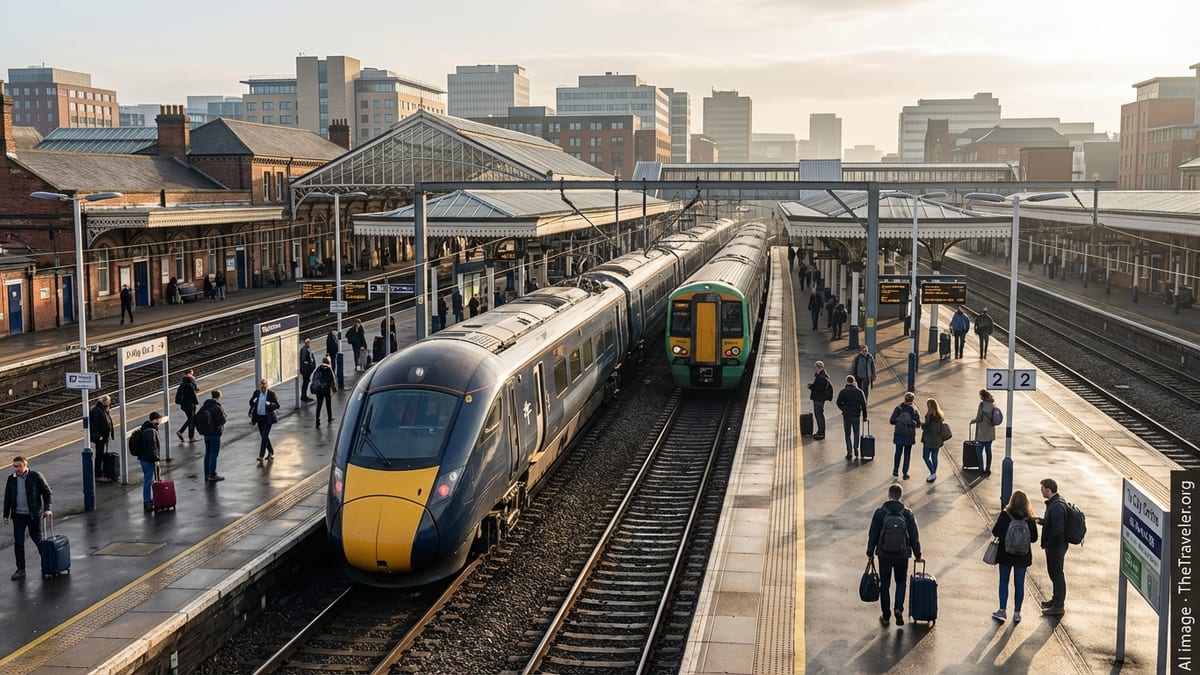
Full-Length Platform Back in Use After July Fire Disruption
Network Rail reports that full-length access to Platform 2 at Paignton station will be reinstated from the start of service on Monday 24 August, following extensive repairs to infrastructure damaged in a major fire in July. The restoration work has been completed several days ahead of earlier expectations, allowing the station to handle longer trains just as late-summer tourism demand remains high.
According to the infrastructure operator’s published update, the return of the full platform length will immediately permit nine-carriage Great Western Railway services to resume calling at the station. These longer formations had been temporarily curtailed while a section of the platform remained inaccessible, a restriction that limited capacity during one of the busiest periods on the Riviera Line between Exeter, Torquay and Paignton.
Paignton serves as the southern terminus for GWR services along the Riviera Line and as a key gateway to nearby beaches and attractions. Publicly available information shows that the station’s role in handling both local and longer-distance trains makes any loss of platform capacity highly visible for residents, commuters and holidaymakers alike.
Capacity Restored for Longer GWR Trains on the Riviera Line
The return of full-length access at Platform 2 is significant for South Devon because it reinstates the ability of GWR to run nine-car Intercity Express Trains on busy services to and from London Paddington. Network Rail’s latest update notes that these longer trains can now use the full extent of the Paignton platform, improving passenger flow and reducing the need for selective door opening.
Timetable information and operator fleet data indicate that Paignton is linked to the Great Western Main Line via Newton Abbot and Exeter, with selected long-distance services extended beyond Exeter St Davids. Longer trains on these routes support higher seasonal passenger numbers and help manage crowding on popular weekend and holiday services heading to the English Riviera.
On the local Riviera Line, which connects Exeter to Torbay’s coastal stations, published travel guides highlight that there are typically at least two trains per hour between Newton Abbot, Torquay and Paignton for much of the day. Restored full-length access at Paignton supports this intensive pattern by ensuring that terminating and starting services can use the main platform more flexibly during peak periods.
Short-Term Fix Supports Wider Investment in South Devon Rail
The accelerated repairs at Paignton sit within a broader programme of rail investment across Devon and Cornwall. Recent stakeholder reports from GWR and regional transport bodies refer to ongoing infrastructure enhancements, signalling upgrades and rolling stock modernisation designed to increase capacity and reliability on key routes serving the far South West.
Documents from Peninsula Transport and partner organisations have previously identified train lengthening, timetable improvements and station enhancements as priorities for accommodating forecast growth in rail demand. Although the Paignton works were reactive, prompted by the July fire, the rapid restoration of full platform access aligns with this wider push to maintain resilience on the coastal main line.
GWR’s latest customer and stakeholder materials also point to new and cascaded rolling stock being focused on Devon and Cornwall routes, with longer formations used where infrastructure permits. The reinstated platform length at Paignton ensures that the station can fully benefit from these capacity gains, rather than acting as a constraint at the end of the line.
Improved Access and Reliability for Residents, Commuters and Visitors
For South Devon communities, the practical impact of the restored platform at Paignton is felt in day-to-day travel choices. National Rail station information lists the site as having step-free access to both platforms, connected via local streets and level crossings, which makes it a key hub for passengers with reduced mobility across Torbay. Being able to board or alight from any coach of a nine-car train simplifies boarding for these users and for families with luggage or pushchairs.
Torbay Council’s public transport pages already highlight the Riviera Line as a frequent, convenient link between the English Riviera and Exeter, describing an improved timetable with at least two trains per hour between Newton Abbot and Paignton for most of the day. Restored full-length access at Paignton underpins the reliability of this pattern by reducing operational constraints at the terminus and giving planners more flexibility in how they schedule services.
For visitors, the change comes at an important moment in the tourism calendar. Paignton’s seafront, nearby Paignton Zoo and links onward to other Riviera resorts continue to attract high numbers of day-trippers and holidaymakers late into the summer. With longer GWR trains once again able to use the full platform, reports indicate that rail is better positioned to absorb peak flows and provide an alternative to often congested road routes along the South Devon coast.
Looking Ahead: Strategic Role of Paignton in Future Service Plans
Looking beyond the immediate repairs, Paignton’s restored capacity reinforces its strategic role in future service planning for the region. The Great Western Main Line is one of the principal long-distance rail corridors in Britain, with published route information listing Paignton among the key destinations served by GWR’s bi-mode intercity fleet. Ensuring the terminus can handle full-length trains is therefore important not only for local travel but also for maintaining resilience on cross-country and London services.
Recent corporate announcements from FirstGroup, GWR’s parent company, mention proposals for additional open-access services on parts of the Great Western network, including a potential extension of some London Paddington operations towards Paignton. While such plans would be subject to regulatory approval and timetable capacity, the availability of a fully usable long platform at Paignton supports the case for more flexible service patterns in the medium to long term.
Regional transport strategies, including earlier studies commissioned by Peninsula Transport, continue to emphasise that improved rail connectivity is central to South Devon’s economic and environmental goals. With full-length platform access at Paignton now back in place, the station is better equipped to support both current Riviera Line operations and any future enhancements that bring more frequent or longer-distance trains to the English Riviera.
Network Rail media centre update on Paignton platform restoration
Great Scenic Railways overview of the Riviera Line