


More news on this day
Commuter service on northern Indiana’s South Shore Line was brought to a standstill after a freight train derailed near East Chicago, triggering a major power loss and halting trains across the busy electric railway on Thursday morning.
Get the latest news straight to your inbox!
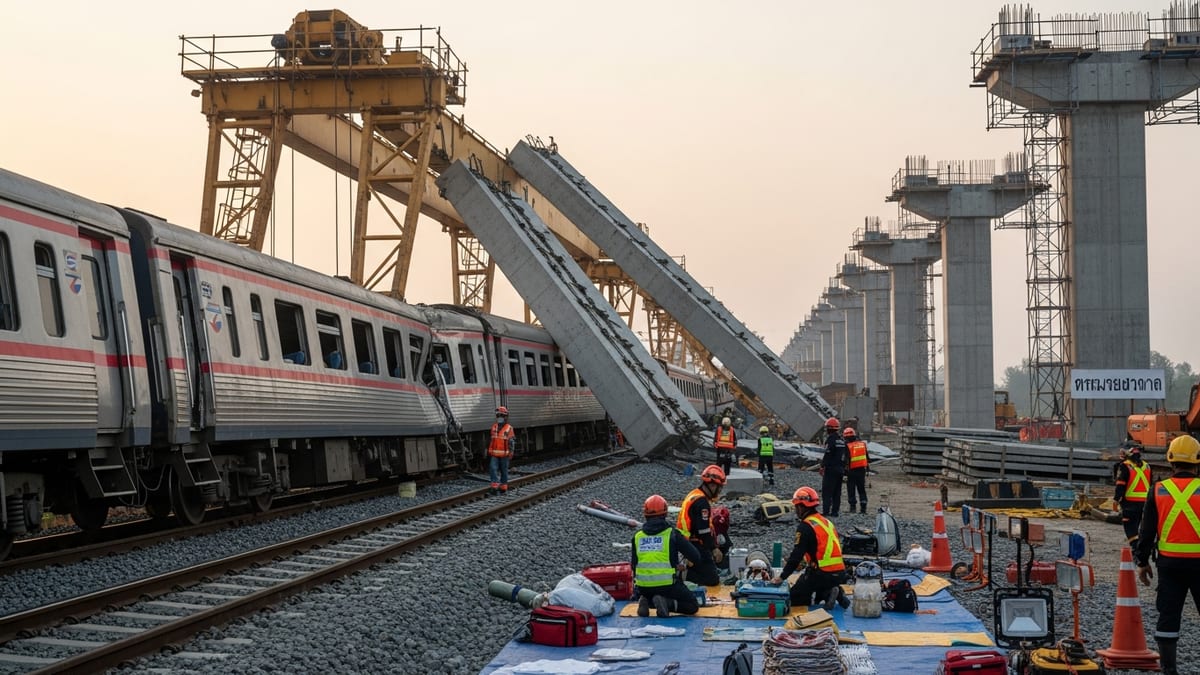
Derailment and power loss disrupt peak-hour rail traffic
Published coverage indicates that the disruption began late Wednesday night, June 24, when a freight train derailed near the East Chicago and Gary Metro area along a shared rail corridor used by the South Shore Line. Reports describe the incident as occurring around 9:40 p.m. local time, coinciding with a round of severe storms that swept across northeast Illinois and northwest Indiana.
The derailment damaged rail infrastructure and contributed to an electrical power loss on the overhead catenary system that supplies the South Shore Line’s electric commuter trains. Publicly available service alerts show that the incident affected the Lakeshore Corridor, the main route that links downtown Chicago with communities across northwest Indiana and South Bend.
Initial information from local news outlets notes that no South Shore Line passenger trains were reported to have derailed, and early accounts did not indicate serious injuries connected to the freight train incident. The primary impact was on rail operations and electrical power, which forced an abrupt shutdown of commuter service during a busy travel period.
The derailment added to an already challenging night for transportation and utilities in the region. Earlier in the evening, strong thunderstorms had moved across the Chicago area and northwest Indiana, bringing high winds, heavy rain, scattered damage, and power outages that further complicated overnight recovery efforts.
South Shore Line suspends trains on Lakeshore and Monon routes
According to publicly posted advisories, the South Shore Line suspended all morning rush-hour trains on Thursday, June 25, across both its traditional Lakeshore Corridor and its recently opened Monon Corridor extension. The suspension covered inbound and outbound services, effectively halting commuter rail traffic between Chicago and northwest Indiana at the start of the workday.
Radio advisories and local broadcast outlets reported that the decision to cancel the morning schedule was tied directly to the freight derailment and the loss of traction power in the East Chicago and Gary Metro area. With key sections of overhead wire and track blocked or de-energized, the operator could not safely move electric trains through the affected zone.
Service updates circulated overnight urged riders to seek alternate transportation and warned that delays and cancellations were likely to extend beyond the early morning period. As of Thursday morning, there was no firm timeline in public reports for the full restoration of normal service, and the operator indicated that additional announcements would be issued as inspections and repairs progressed.
The shutdown affected thousands of regular South Shore Line passengers who rely on the route for daily commutes into downtown Chicago and regional employment hubs. Reports described crowded park-and-ride lots and heavier traffic on area expressways and arterial roads as riders shifted to cars, carpools, or other transit options.
Cleanup, inspections and power restoration underway
Railroad crews and contractors were reported to be working through the night and into Thursday to clear the derailed freight cars, inspect track conditions, and restore electrical power through the impacted segment of the corridor. Publicly available information from local media suggests that the work includes re-railing or removing damaged freight cars, checking the integrity of rails and ties, and verifying that the catenary system is safe to re-energize.
Given the location of the derailment near a critical junction for South Shore Line operations, the line must remain out of service until track geometry, signals, and overhead equipment are certified for safe use. Observers note that even after the first track is reopened, service may initially resume with limited frequencies or modified schedules as crews complete remaining repairs and any necessary speed restrictions are applied.
Local coverage highlights that restoration is taking place under challenging post-storm conditions, with utility companies also addressing broader power outages and debris across the region. The combination of freight recovery work and electrical repairs is expected to dictate how quickly trains can begin running again between Chicago, East Chicago, and points farther east.
Rail analysts point out that disruptions of this kind can have knock-on effects across the day, as equipment and crews are displaced from their usual positions. Even once trains resume, riders are being advised in public advisories to expect residual delays, crowding, and possible train combinations or annulments while the operator works back toward a regular timetable.
Severe weather and Midwest rail network vulnerabilities
The Indiana derailment comes amid a period of repeated weather-related disruptions on rail lines across the Midwest. In recent weeks, other freight derailments tied to high winds and storms have been reported in Illinois, Missouri, and Michigan, each causing temporary suspensions or delays for both freight carriers and passenger operators sharing the same corridors.
Transportation observers note that strong convective storms can create multiple risk factors for rail operations, including fallen trees, washouts, localized flooding, and wind damage to signal systems and overhead wires. When such events coincide with heavy freight traffic, the likelihood of derailments or blocked lines can increase, particularly on busy main lines where capacity is tight.
The South Shore Line’s extensive use of electrified infrastructure across an exposed corridor along Lake Michigan adds another layer of vulnerability during major storm systems. Damage to the catenary or support structures can require specialized repair crews and equipment, potentially extending the time needed to restore reliable service compared with non-electrified routes.
The incident near East Chicago also illustrates how a single freight derailment on shared or adjacent track can ripple quickly through a commuter rail network, forcing large-scale cancellations and prompting riders to seek alternative modes on short notice. Travel experts point out that clear communication, real-time updates, and coordinated contingency planning are key to reducing the impact on passengers when such events unfold.
Impact on riders and next steps for the commuter railroad
The immediate effect of Thursday’s shutdown is being felt by regular South Shore Line riders who rely on the train for daily trips between northern Indiana communities and central Chicago. Many passengers were left adjusting work schedules, arranging remote work where possible, or contending with heavier-than-usual road congestion along the Borman Expressway and other regional routes.
Recent expansions and investments on the South Shore Line, including the Monon Corridor project and ongoing safety enhancements, have aimed to accommodate growing ridership and improve reliability. This week’s disruption is likely to renew attention on contingency planning, communication tools, and coordination with freight railroads whose operations intersect with the commuter network.
Publicly available planning documents show that the South Shore Line has been working to modernize its infrastructure and rolling stock, including track improvements, station upgrades, and additional safety measures. The derailment and associated power loss may prompt further assessment of storm resilience, redundancy in electrical feeds, and protocols for rerouting or bussing passengers during extended outages.
For now, reports indicate that riders are being urged to monitor official service alerts, local news broadcasts, and station notice boards for the latest information on when trains will resume between Chicago, East Chicago, Gary Metro, and points farther east toward Michigan City and South Bend. The pace of debris removal, track repairs, and power restoration will determine how quickly the South Shore Line can return to its normal weekday schedule.