


More news on this day
One person has died and a child is in hospital with life threatening injuries after a car was struck by a passenger train at a level crossing in Hoghton, near Preston, on Tuesday morning.
Get the latest news straight to your inbox!
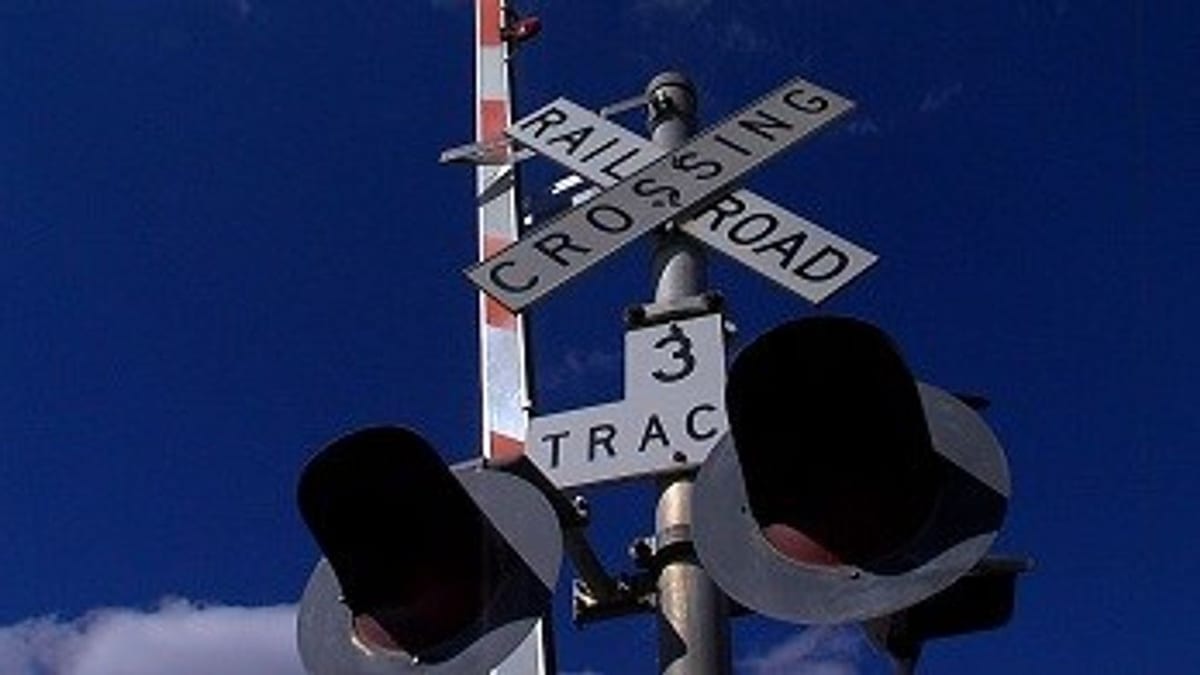
Collision at Station Road level crossing
Reports indicate that the collision occurred at around 8:50 a.m. on 25 June at the automatic level crossing on Station Road in Hoghton, a village south east of Preston in Lancashire. Initial information suggests that a car was on the crossing when it was hit by a Northern Trains service travelling on the line between Preston and Blackburn.
Publicly available information shows that emergency services were called to the scene soon after the impact, with a major response involving rail incident teams and local ambulance and fire crews. Images shared on social media and in local coverage show significant damage to the car and disruption around the crossing approaches.
According to published coverage from regional outlets, one occupant of the car was pronounced dead at the scene. A child who was also in the vehicle was taken to a specialist children’s hospital and is reported to have life threatening injuries. No injuries to passengers or crew on the train have been reported so far.
The collision has renewed focus on safety at automatic level crossings in rural areas, particularly locations where fast moving trains pass through at relatively short notice for road users.
Rail services disrupted between Preston and Blackburn
The incident led to the immediate suspension of services on the affected section of the line, with trains unable to run through Hoghton while emergency teams and rail engineers attended. Northern Trains reported disruption to services between Preston, Blackburn and Colne, with some services cancelled and others diverted or terminating early.
Replacement road transport was arranged on parts of the route, although passengers faced extended journey times and crowding on alternative services. Travelers heading towards Manchester and East Lancashire experienced knock on delays as trains and crew were displaced from their normal diagrams.
According to publicly available travel information, disruption around Hoghton is expected to continue while investigators examine the site and infrastructure checks are carried out on the track, signalling and level crossing equipment. Once those activities are completed, rail infrastructure teams will determine when normal services can fully resume.
The line is an important regional corridor for commuters and leisure travelers, linking Preston with towns in East Lancashire and providing connections to longer distance services. The incident therefore has wider implications for mobility in the area, particularly for those without easy access to road alternatives.
Investigation into circumstances of the crash
Published coverage indicates that a joint investigation is under way into how the car came to be on the crossing at the time the train approached. Automatic half barrier crossings such as the one at Station Road typically operate with road traffic signals, audible warnings and barriers that descend shortly before a train arrives.
Investigators are expected to examine on train data recorders, signalling logs and any available CCTV footage from the crossing and the train. They are also likely to look at factors such as road layout, visibility for drivers, local traffic patterns and any recent history of incidents or near misses at the site.
Information released so far has not indicated any mechanical failure of the train, and there are no early reports of significant damage to the track or signalling systems. Attention is therefore likely to focus on the interaction between the road vehicle and the level crossing equipment in the moments before impact.
Formal findings may take time to emerge, as specialist rail and road collision investigators work through evidence and consider whether any changes to signage, barriers, warning times or local traffic management are required.
Local community impact and safety concerns
Hoghton and the surrounding villages rely on Station Road as a key local route, and the crossing is a familiar feature for residents who regularly travel between rural communities and Preston. The fatal collision has prompted expressions of shock and concern within the area, as people absorb the news of a life lost and a child critically injured.
Commentary in local and national coverage notes that this is not the first serious incident to occur at or near level crossings in the wider region. Previous cases across the United Kingdom have highlighted the risks when road users misjudge train speeds, attempt to cross after warning signals activate, or become trapped on the tracks.
Rail safety campaigns in recent years have sought to draw attention to these dangers, emphasising that trains can take considerable distances to stop and that drivers should never attempt to cross once lights begin flashing or barriers start to descend. The latest incident near Preston is likely to feature in future awareness efforts aimed at both motorists and pedestrians.
For the travel and tourism sector, reliable local rail links are central to connecting visitors with Lancashire’s countryside and historic attractions. Any perception of risk at crossings can influence public confidence in using regional rail, even though serious collisions remain rare when considered against the high volume of train movements each day.
Broader context for level crossing safety
The crash at Hoghton adds to a series of level crossing incidents that have shaped rail safety policy in the United Kingdom and abroad. Past collisions involving cars, vans and pedestrians have led to changes in signage, barrier designs, approach speed limits and driver education campaigns.
According to rail safety data made publicly available in recent years, automatic half barrier crossings like Station Road are designed to provide a balance between safety and efficiency where roads intersect with busy lines. However, they rely on drivers obeying traffic lights and not attempting to circumvent barriers once warnings are active.
In some locations, particularly where traffic levels are high or where sightlines are constrained, crossings have been upgraded, replaced by bridges or underpasses, or removed through wider rail improvement schemes. The circumstances at Hoghton may feed into ongoing national discussions about where such investments are most urgently needed.
For now, the focus remains on establishing what happened on Tuesday morning, supporting those affected and restoring rail services for passengers traveling through Lancashire. Travel providers and safety campaigners are likely to watch the findings closely for any lessons that can be applied across the wider network.