


More news on this day
A Southwest Airlines Boeing 737 MAX 8 operating as Flight 4147 from Denver to New York on August 5 diverted to Albany, New York, instead of continuing to the New York City area, according to flight-tracking data and publicly available reports.
Get the latest news straight to your inbox!
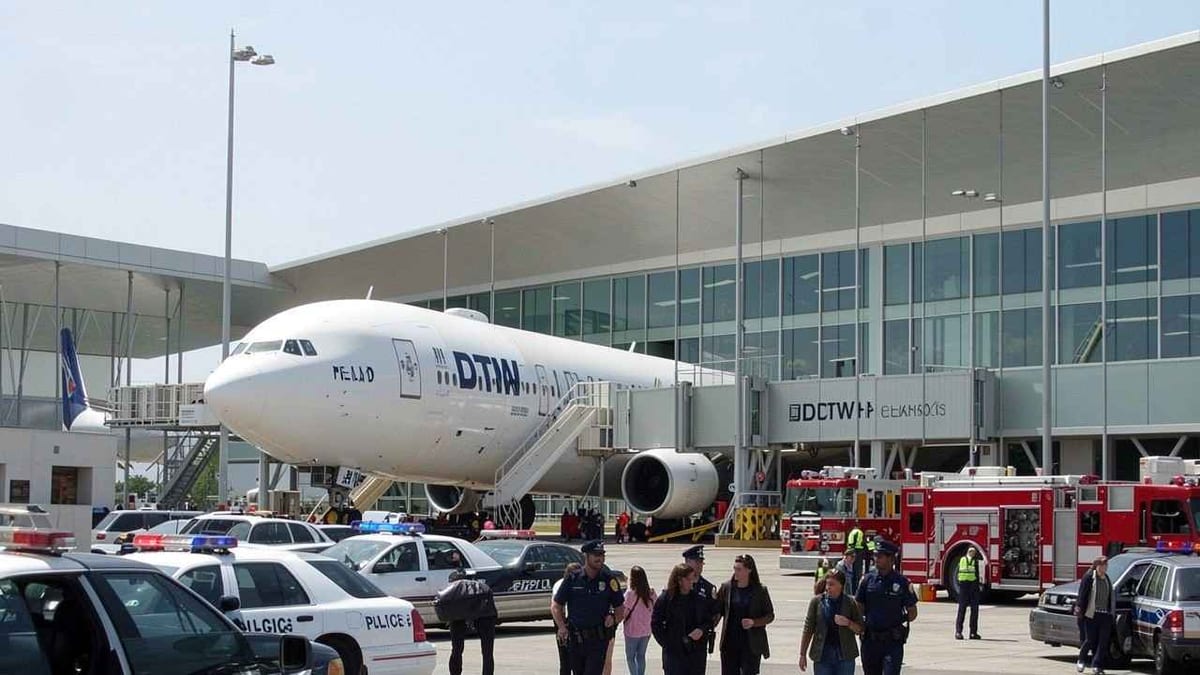
Diversion Interrupts Evening Denver to New York Service
Publicly available flight-tracking information shows that Southwest Airlines Flight 4147, a scheduled service from Denver International Airport to the New York area on August 5, departed Colorado in the evening and proceeded uneventfully across much of the country before changing course toward upstate New York. The Boeing 737 MAX 8 ultimately landed at Albany International Airport, instead of its planned destination in the New York metropolitan area.
The diversion took place late in the travel day, adding disruption for passengers who had been expecting to arrive in one of the region’s primary airports. Tracking data indicates that the aircraft completed its crossing and then descended into Albany, where it parked at the terminal while onward plans were arranged.
Reports shared on aviation and traveler forums describe the event as one of several operational challenges affecting flights into the busy Northeast corridor that day. Travelers noted extended airborne holding patterns and rerouted arrivals into alternate airports as carriers adjusted to conditions in the New York airspace.
Weather, Congestion and Airspace Constraints Likely Factors
While Southwest had not published a detailed explanation at the time of writing, aviation observers point to a combination of summer weather and air traffic constraints as the most likely drivers of the diversion. The New York area routinely experiences evening ground stops and arrival metering in peak thunderstorm season, and public discussions among travelers on recent days have highlighted similar reroutings into secondary airports when conditions deteriorate.
Industry data and past government reports show that when convective weather develops near New York airports, traffic management initiatives can quickly lead to holding patterns, extended arrival spacing, and in some cases diversions to nearby fields with available capacity such as Albany, Islip, or Pittsburgh. In such situations, carriers sometimes opt to land at an alternate airport to avoid keeping passengers in prolonged airborne holds when fuel and crew-duty timelines become limiting factors.
Commentary from frequent flyers in online discussions around the August 5 operation suggests that a combination of summertime storms along the Eastern Seaboard and congestion in the New York terminal area fits the pattern seen on other recent evenings, when flights bound for LaGuardia or other regional airports were sent to alternates to wait out conditions or reposition later.
Impact on Passengers and Onward Travel Options
The diversion of Southwest Flight 4147 meant passengers expecting to land in the New York metropolitan area instead arrived in Albany, around 150 miles north of the city. For affected travelers, this typically leads to a mix of outcomes, ranging from being rebooked on later flights into the region’s primary airports to arranging ground transportation directly from the diversion point.
Publicly available information on similar events indicates that when a flight terminates at an alternate airport, airlines often evaluate whether the same aircraft and crew can later continue to the original destination or whether operational limits, including crew duty-time rules, require the service to end at the diversion point. When duty-time or weather constraints prevent an immediate continuation, travelers are generally offered options that may include hotel accommodation, rebooking on subsequent flights, or, for some, the choice to complete the journey by rail or car.
Social media and forum comments from the broader network of diversions in early August describe a range of passenger experiences, from relatively smooth rebooking at airport customer-service desks to lengthy waits for updated itineraries when multiple flights are simultaneously disrupted. For those on Flight 4147, the late-evening timing of the diversion likely limited same-day alternatives into the New York area, extending many trips into August 6.
Boeing 737 MAX 8 Utilization on Domestic Routes
The aircraft assigned to Southwest Flight 4147 was a Boeing 737 MAX 8, a workhorse type within the carrier’s fleet for medium-haul domestic flying. The MAX 8 is widely used on transcontinental and cross-country routes linking major hubs and large population centers, including Denver and airports serving the New York region.
Operational records and airline fleet data show that the 737 MAX 8 is configured for high-density, single-class service typical of Southwest’s network. On a route such as Denver to New York, the aircraft’s range is well within normal parameters, allowing for contingency fuel to support holding patterns or diversion to alternates like Albany when required by weather or traffic management. The August 5 diversion therefore appears to reflect external operating conditions rather than performance limitations of the aircraft.
In recent years, the MAX 8 has become increasingly prominent on high-demand domestic corridors where schedule reliability is critical. Industry analysts note that, despite the disruptions caused by storms, airspace saturation, or other factors, carriers generally aim to return diverted aircraft to their intended route structures as quickly as practical once conditions improve.
Ongoing Summer Travel Strain in the Northeast Corridor
The diversion of Southwest Flight 4147 to Albany is the latest example of how summer weather and tight airspace capacity continue to challenge airlines operating into the New York area. Across the broader US network, publicly available data and traveler accounts point to a pattern of delays, reroutes, and airport changes affecting evening arrivals during periods of convective storms.
Transportation statistics over recent summers have highlighted New York airports among the most delay prone in the country, particularly during peak afternoon and evening banks when flight volumes are highest. Industry observers note that any interruption, such as thunderstorms near key fixes or temporary ground stops, can quickly ripple through the system, leading to diversions that strand aircraft and passengers at unscheduled locations.
For travelers planning late-day flights into the region, the experience of Southwest Flight 4147 serves as a reminder of how fragile evening schedules can be at the height of storm season. Aviation experts commonly recommend allowing extra time or earlier departures when possible, particularly for those with tight connections or same-day commitments in major East Coast cities.