


More news on this day
A Southwest Airlines Boeing 737 MAX 8 operating as flight SWA4762 from Orlando to Chicago diverted to Indianapolis on Friday after what aviation reports describe as a mid-air operational anomaly, with the aircraft landing safely and passengers later re-accommodated to their destinations.
Get the latest news straight to your inbox!
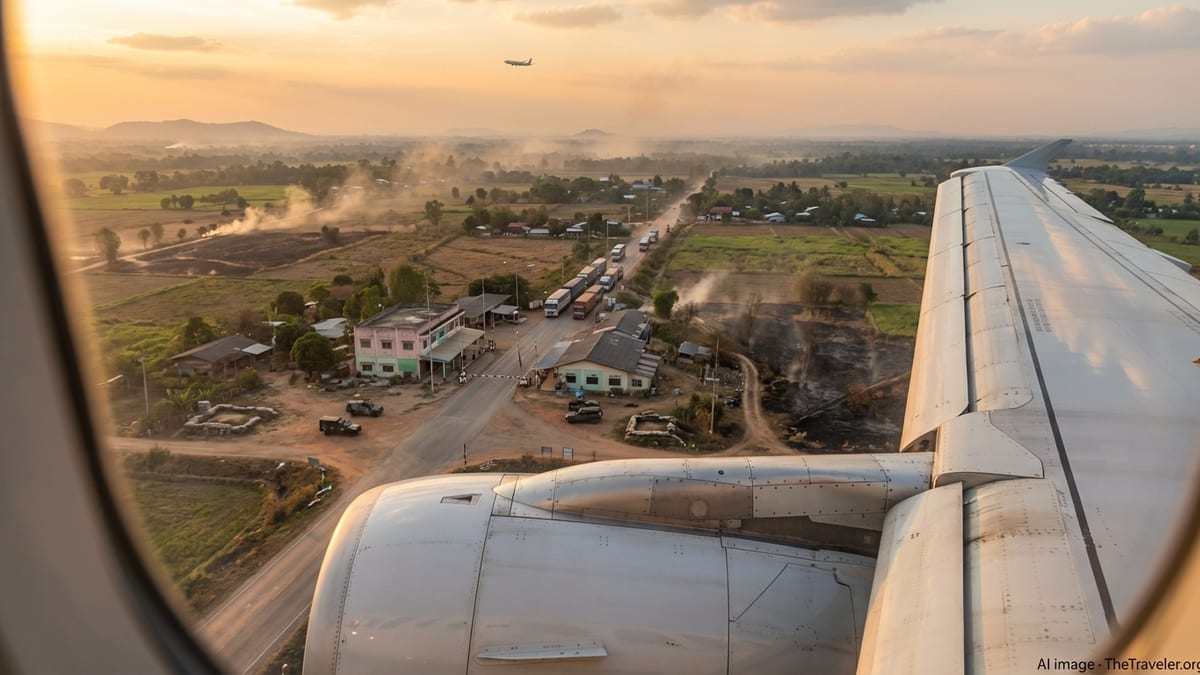
Orlando to Chicago Flight Makes Unscheduled Stop in Indianapolis
Publicly available flight-tracking data shows that Southwest Airlines flight SWA4762 departed Orlando International Airport on a scheduled service to Chicago Midway before altering course toward Indianapolis in the midst of its journey. The aircraft, identified as a Boeing 737 MAX 8, descended and landed at Indianapolis International Airport, where it taxied to a gate and passengers deplaned in an orderly manner.
Reporting from aviation-focused outlets indicates that the diversion was prompted by an in-flight anomaly detected by the crew. The nature of the irregularity has not been detailed in official postings, but coverage describes it as an operational issue that warranted a precautionary diversion rather than an accident or loss of control.
There were no immediate reports of injuries among passengers or crew, and available information suggests the landing in Indianapolis was routine. The aircraft was met by ground personnel for inspection and passenger support, in line with standard airline procedure when a flight lands at an unscheduled airport.
What Is Known About the Reported Mid-Air Anomaly
Industry coverage of the incident characterizes the event as a mid-air anomaly identified by the pilots while the aircraft was cruising toward Chicago. In contemporary airline practice, the term “anomaly” is often used broadly for any system warning, performance irregularity, or cockpit indication that falls outside normal operating parameters, even if the aircraft continues to perform safely.
Early descriptions do not point to a structural failure or emergency scenario but instead to a technical or operational issue that required a timely, controlled response. Aviation analysis notes that such events can involve sensor discrepancies, system alerts, or other indications that prompt crews to seek a nearby airport with suitable runways, rescue coverage, and maintenance capability.
Indianapolis International Airport frequently serves as a diversion field for flights crossing the central United States, owing to its long runways, robust emergency-services presence, and existing network of Southwest Airlines operations. This makes it a logical choice when crews need to end a flight early while keeping passengers as close as possible to their original routing.
Passenger Impact and Rebooking Efforts
Reports indicate that passengers on SWA4762 experienced an unplanned stopover in Indianapolis, with onward travel to Chicago moved to later flights after the aircraft was inspected on the ground. In similar events, airlines typically arrange rebooking on subsequent services, provide refreshments or vouchers, and assist travelers with missed connections where possible.
Travel-industry observers note that diversions of this kind can significantly disrupt itineraries, particularly for passengers with tight connections or same-day business plans. However, they also emphasize that precautionary landings remain a cornerstone of modern airline safety, even when they cause delays and logistical challenges.
For affected travelers, guidance from consumer advocates generally includes monitoring airline apps for automatic rebooking updates, speaking with gate agents about alternative routings, and keeping receipts for any out-of-pocket expenses that might later be eligible for reimbursement under the carrier’s customer-service policies.
Southwest’s Safety Context and Recent Diversion History
The diversion of SWA4762 comes at a time when Southwest Airlines, like many large carriers, experiences occasional unscheduled landings tied to weather, technical alerts, and airspace congestion. Recent coverage of a separate Southwest diversion to Tulsa following a cracked windshield, as well as other operational reroutings across the industry, underscores how airlines rely on conservative safety thresholds when deciding to terminate a flight early.
Aviation analysts observe that while such incidents can attract attention, they often demonstrate the layered protections built into modern commercial aviation. Flight crews receive extensive training to handle system warnings and anomalies, and they have authority to divert at any sign that conditions might worsen if the flight continues as planned.
In the case of SWA4762, the aircraft’s safe arrival in Indianapolis and lack of reported injuries align with this broader pattern, in which diversions are treated as a proactive management of risk rather than evidence of systemic failure. The aircraft involved is expected to undergo detailed checks before returning to service, consistent with industry practice following any in-flight irregularity.
What the Incident Means for Travelers on Busy U.S. Routes
The diversion of a high-traffic Orlando to Chicago service highlights the operational complexity of U.S. air travel during busy periods. Airlines schedule dozens of daily departures over similar corridors, and a single unscheduled landing can ripple through the network by removing one aircraft from its planned rotations and forcing schedule adjustments later in the day.
Travel experts point out that such events are one reason passengers may experience cascading delays or aircraft swaps even if they are not on the original diverted flight. When a Boeing 737 MAX 8 like SWA4762 is taken out of its sequence for inspection, airlines may reposition other aircraft or consolidate flights to keep overall disruption contained.
For travelers, the key takeaway from the SWA4762 event is that diversions for mid-air anomalies remain rare compared with the total number of daily flights, and they are handled within a highly regulated framework that prioritizes landing at the nearest suitable airport. While delays and missed connections are inconvenient, the safe outcome in Indianapolis illustrates how these procedures function when crews encounter something out of the ordinary en route.