


More news on this day
Spain is intensifying efforts to attract corporate and incentive travellers, positioning high-value meetings and reward trips as a central pillar of its tourism strategy as global business travel rebounds and competition among major destinations accelerates.
Get the latest news straight to your inbox!
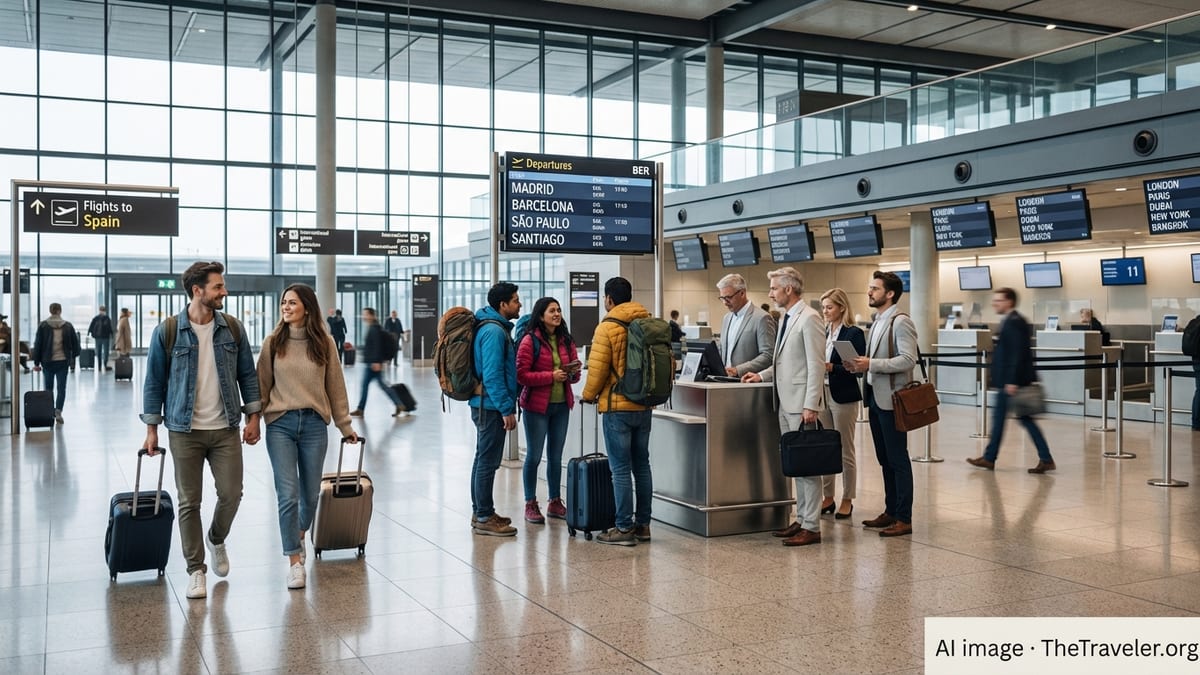
Incentive Travel Emerges as a Strategic Growth Engine
Recent data and policy signals indicate that Spain is treating incentive travel and the broader meetings and events segment as a priority market within its tourism mix. While traditional holiday tourism continues to deliver record visitor numbers, public analysis highlights that corporate travellers spend significantly more per day than leisure tourists, making them particularly attractive from a revenue and productivity standpoint.
Figures released through Spain’s national and regional tourism bodies point to a clear rebound in business-related trips and a rapid rise in dedicated MICE activity. Business tourism revenues in Spain have climbed strongly over the past two years, with official analytical notes describing a double-digit annual increase and an economic impact that is outpacing growth in overall visitor volumes. Analysts add that this recovery has been aided by strong air connectivity, a dense network of urban hubs, and modern convention infrastructure.
Within that wider segment, incentive travel is gaining prominence as a discrete engine of growth. Industry assessments circulated in Spain estimate that incentive trips are delivering some of the highest per-capita expenditure in the market, as companies typically package premium accommodation, curated experiences and on-the-ground services into reward programmes. This spending is seen as especially valuable for regional and secondary destinations seeking to extend the benefits of tourism beyond peak summer months and coastal resorts.
Global forecasts for incentive travel further reinforce the opportunity. International market research cited in Spanish trade coverage projects that incentive trips worldwide could multiply several times in value over this decade, driven by companies using travel rewards to retain talent, reinforce culture and celebrate performance. Spanish destinations are attempting to capture a larger slice of that expanding pie by combining lifestyle appeal with tailored corporate-product offerings.
Spain Strengthens Its MICE Credentials
Spain’s positioning in the global meetings and events hierarchy underpins its push for more corporate travel. The country consistently ranks among the top destinations for international association meetings, with the latest rankings from major industry bodies placing Spain near the summit in terms of event counts and hosted delegates. Cities such as Barcelona and Madrid appear frequently in global top-ten lists for conferences and congresses, supported by sizeable venues and extensive hotel capacity.
National and municipal convention bureaux have been intensifying promotion of Spain’s MICE credentials at international trade fairs and industry showcases. Publicly available information from the Spain Convention Bureau notes strong growth in the volume of meetings and incentive events in 2023 and 2024, with an accompanying rise in delegate spending per trip. Analysts reviewing the bureau’s findings underline that the average expenditure of a meetings traveller is several times higher than that of a typical leisure visitor, underscoring why the segment is increasingly regarded as a strategic priority.
Beyond flagship congress centres, Spain has invested in flexible venues capable of hosting smaller corporate gatherings, product launches and team-building retreats. This diversification responds to changing demand patterns, as companies often seek more intimate formats and hybrid physical-digital events. Industry commentary points out that Spanish suppliers have accelerated the adoption of advanced audiovisual technology, sustainable event services and bespoke incentive itineraries to remain competitive against rival European hubs.
At the same time, Spain’s broad tourism ecosystem gives organisers scope to blend business content with leisure components. From architectural tours in historic city centres to wine experiences in rural regions and coastal wellness programmes, destination managers are packaging activities that help corporate clients align trips with staff motivation and brand storytelling objectives, strengthening the case for choosing Spain over other European locations.
Policy Focus Shifts to Higher-Value, Year-Round Tourism
Spain’s pivot towards corporate and incentive travel also reflects broader policy goals to rebalance tourism and prioritise higher economic value over sheer visitor volume. Government strategy documents on Spain’s tourism model emphasise diversification across segments and regions, and frequently reference the importance of business tourism in spreading demand throughout the year and across the country.
Economic assessments from official statistics offices and research institutions show that tourism already accounts for a substantial share of Spain’s gross domestic product and employment. However, they also highlight challenges linked to seasonal peaks and pressure on infrastructure in popular coastal areas. By comparison, MICE and incentive trips can be programmed for shoulder seasons and directed to urban or emerging destinations, contributing to more stable year-round activity.
Spain’s national tourism agency has expanded its series of analytical reports to include dedicated studies on business travel and MICE performance. According to these analyses, meetings and incentive visitors generate some of the highest average daily spends recorded across all travel segments, in part because corporate clients often cover premium services, local transport, dining and event production. Policymakers and regional authorities are using this data to justify targeted promotion, product development and skills training focused on corporate and events tourism.
Observers note that this emphasis is aligned with wider European conversations around sustainable tourism and balanced growth. Business and incentive travel, if carefully managed, can contribute to higher revenues with lower pressure on natural sites, provided that events are held in venues with strong environmental credentials and supported by efficient public transport and urban services.
Regional Cities and Secondary Destinations Compete for Corporate Events
While major hubs such as Madrid and Barcelona continue to dominate Spain’s meetings landscape, regional cities are increasingly positioning themselves as hosts for incentive programmes and mid-sized corporate events. Destinations including Valencia, Málaga, Bilbao, Seville and Palma are marketing a combination of cultural heritage, gastronomy and modern infrastructure to international planners seeking alternatives to traditional capitals.
Local convention bureaux and tourism boards in these cities are rolling out campaigns that highlight ease of access, climate, and distinctive experiences such as coastal activities, wine routes or contemporary art circuits. Trade press reports describe a wave of new boutique hotels, design-focused venues and renovated heritage buildings that can accommodate board meetings, product showrooms and gala dinners, broadening the appeal of regional Spain for corporate clients.
Smaller inland destinations are also using incentive travel as an instrument for economic diversification. Rural provinces and lesser-known towns are partnering with DMCs and specialist agencies to create themed itineraries around nature, wellness, adventure sports or local craftsmanship. These programmes are often framed as exclusive rewards that offer participants “once in a lifetime” experiences away from mass tourism corridors, while simultaneously injecting spending into local economies that receive fewer visitors.
Industry observers point out that this geographic spread of corporate events can help Spain address overtourism concerns in heavily visited areas. By attracting high-spending groups to a larger number of destinations, the incentive and MICE sector is seen as a tool for more balanced regional development, especially when combined with sustainability certifications, community engagement and responsible supply-chain practices.
Competition Intensifies as Global Business Travel Recovers
Spain’s renewed focus on corporate and incentive travellers comes against a backdrop of a strong rebound in global business tourism. International organisations monitoring travel flows report that worldwide arrivals have broadly recovered to, and in some cases exceeded, 2019 levels, with business segments gradually regaining share after a sharp contraction during the pandemic period.
Analytical notes from European and Spanish financial institutions confirm that business travel-linked revenues in Spain have accelerated over the last two years, even as some companies maintain hybrid work and virtual meeting models. The data suggest that in-person gatherings are increasingly reserved for high-value purposes such as strategic planning, major client events and staff recognition, aligning closely with the incentive and MICE offerings that Spain is prioritising.
However, the same reports underscore mounting competition from other European and global destinations that also view corporate events as a key growth lever. Cities across Central and Northern Europe, as well as emerging hubs in the Middle East, are investing heavily in convention infrastructure, marketing and air connectivity aimed at attracting global conferences and incentive programmes. Spain is therefore under pressure to continually upgrade facilities, streamline event logistics and showcase its sustainability credentials to maintain its edge.
Analysts note that success in this environment will hinge on Spain’s ability to combine its established strengths in leisure tourism with a highly professionalised events industry. As corporate travellers increasingly seek destinations that can offer both compelling experiences and efficient, low-friction meeting environments, Spain’s strategy of elevating incentive travel and the wider MICE segment appears set to remain a central component of its tourism-driven growth model.