


More news on this day
Spanish emergency and meteorological services have issued a Sunday alert as the country’s first major heatwave of 2026 intensifies, prompting warnings to holidaymakers amid soaring temperatures, wildfire risk and crowded coastal resorts.
Get the latest news straight to your inbox!
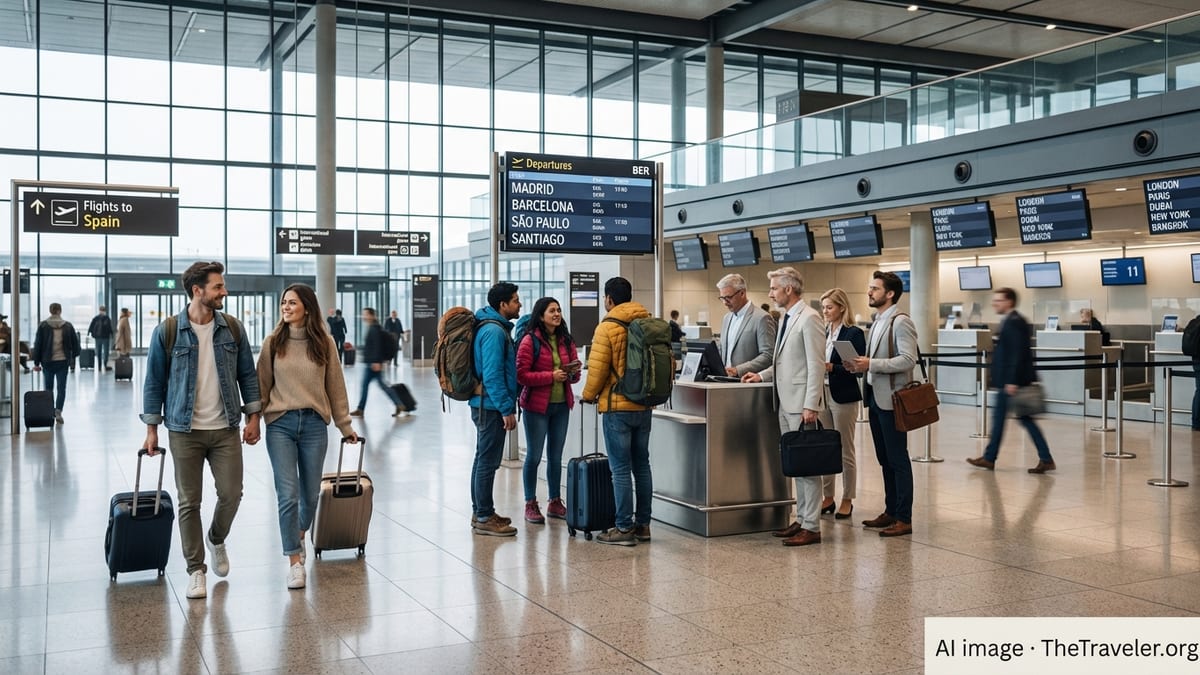
Nationwide heat alerts coincide with peak holiday travel
Publicly available bulletins from Spain’s civil protection agency indicate that high temperature alerts were activated from Sunday 21 June across much of the peninsula and the Balearic Islands, with conditions described as posing a significant risk to health and increasing the likelihood of wildfires. The warning period covers several consecutive days, overlapping with late June’s busy tourism calendar as schools break up and international visitors arrive for summer holidays.
Spain’s state meteorological agency has reported that the heatwave is affecting a majority of the country’s regions, with many inland areas forecast to reach or exceed 40 degrees Celsius and some locations expected to approach the mid 40s. Red and orange alerts for extreme heat have been highlighted particularly in parts of the Basque Country and central and southern interior, where exposure during the hottest hours of the afternoon is being flagged as especially hazardous.
Coverage by international and European outlets shows that the Spanish warnings are part of a broader pattern of extreme temperatures across western and central Europe, but Spain’s combination of dense urban areas, popular beach destinations and fire-prone rural zones has made the country a particular focus for public safety messaging. The Sunday alert is framed as a precautionary measure intended to reach both residents and the large seasonal influx of tourists.
With airports, coastal resorts and city centers already reporting high visitor numbers, the timing of the alert has turned the heatwave into a direct travel issue. Tourism operators are adjusting excursion schedules, while local authorities are publicizing shaded rest areas, water points and modified opening hours at some attractions.
Record June temperatures linked to rising health impacts
Health monitoring data released in recent days show a sharp rise in heat-related mortality since the start of the current warm spell, with hundreds of excess deaths attributed to the high temperatures since Sunday 21 June. National health institutes report that this June has set new records for daytime and nighttime heat in several regions, reinforcing concerns that extreme temperatures at the very start of the main holiday season are no longer exceptional.
Hospital data cited in European media coverage point to growing pressure on emergency services, particularly in large urban centers such as Madrid and Barcelona, where heat stress combines with air pollution and limited green space. Elderly people, individuals with pre-existing medical conditions and outdoor workers are listed among the most vulnerable groups, but tourists unused to prolonged exposure in very high temperatures are also regarded as at-risk.
Public advisories emphasize that nighttime temperatures remaining above seasonal averages prevent the body from recovering from daytime heat, increasing the likelihood of dehydration, exhaustion and more serious conditions such as heatstroke. Visitors planning full-day sightseeing or long drives are being urged through official channels and travel industry communications to reconsider midday activities, drink water regularly and recognize early warning signs of heat-related illness.
For tourism businesses, the combination of record heat and health impacts is reshaping operating norms. Some coastal towns are expanding shaded seating and misting systems on promenades, while inland destinations are scheduling cultural events later in the evening to avoid peak temperatures.
Wildfire and drought concerns extend beyond resort areas
The Sunday alert issued by civil protection services explicitly links the heatwave to an elevated risk of forest fires, particularly in inland and mountainous areas that attract hikers and nature tourists. Prolonged dry conditions, combined with strong sunshine and occasional gusty winds, are creating what officials describe in public statements as a favorable environment for rapid fire spread.
Regional authorities have responded by restricting access to some high-risk natural parks, reinforcing fire surveillance patrols and reminding visitors that activities such as barbecues, smoking in woodland areas and using fireworks are prohibited under local regulations during high-risk periods. These measures are designed not only to protect rural communities but also to safeguard popular walking routes and scenic areas that form a key part of Spain’s tourism offer.
Reports indicate that drought indicators remain concerning in several basins, especially in parts of Andalusia and Catalonia. Low reservoir levels and stressed vegetation mean that any ignition, whether accidental or deliberate, could have more severe consequences than in a typical early summer. Holidaymakers heading to inland reservoirs, river beaches and mountain villages are being advised to check local guidance on fire restrictions and water use rules before travelling.
In previous years, notable wildfires during peak season have led to temporary evacuations of campsites, rural guesthouses and even sections of coastal resorts. The current alert is widely interpreted as an effort to reduce the likelihood of similar large-scale incidents as temperatures climb again from Sunday.
Tourist hotspots adapt to extreme heat conditions
Major Spanish tourist destinations, from the Costa del Sol and Costa Blanca to the Balearic and Canary Islands, are adjusting daily routines in response to the ongoing heatwave. Local tourism boards and city councils are amplifying advice on staying indoors during the hottest hours, seeking shade, and using public fountains or cooling centers where available.
In coastal cities, municipal services are expanding beach lifeguard messaging to cover heat safety as well as water hazards. Announcements and signage advise visitors to use parasols, apply high-factor sunscreen, and avoid long periods of unprotected sunbathing between late morning and early evening. Some resorts are also encouraging hotels to offer early breakfast and later dinner options to help guests shift outdoor activities to cooler times of day.
Urban destinations popular for city breaks, including Madrid, Seville, Valencia and Barcelona, are adapting by highlighting indoor cultural attractions during the middle of the day, such as museums, galleries and historic buildings with climate control. Tourist information points are sharing maps of shaded walking routes, parks with tree cover and air-conditioned public facilities, aiming to balance visitor experience with safety considerations.
Transport operators are likewise adjusting. Reports from national and regional rail networks mention additional checks on air-conditioning systems and contingency plans for potential speed restrictions on some lines in case of track deformation. Urban public transport systems are recommending that travelers carry water and allow extra time for journeys that may be affected by heat-related disruptions.
Practical advice for visitors planning Spanish holidays
Travel industry guidance suggests that tourists planning to visit Spain in the coming days should closely follow weather forecasts and official advisories for their specific destination, as conditions and alert levels can vary significantly between coastal, inland and northern regions. Heat alerts are reviewed daily, and a green map in one area does not necessarily mean low risk elsewhere in the country.
Holidaymakers are being encouraged to build flexibility into their itineraries so that outdoor excursions, walking tours and long drives can be moved to mornings or evenings if necessary. Travel providers recommend packing light, breathable clothing, a hat, refillable water bottles and high-factor sunscreen, and advise particular care for children and older relatives who may be less aware of the strain posed by extended heat exposure.
Visitors using rental cars are advised to avoid leaving anyone, including pets, inside parked vehicles even for short periods, as interior temperatures can rise rapidly in the current conditions. Hotels and apartment rentals are reminding guests to keep shutters or curtains closed during the day and ventilate at night where safe and practical, to maintain more bearable indoor temperatures.
While the Sunday alert highlights serious risks, tourism bodies stress in public communications that holidays can still go ahead if travelers adapt their routines to the heat. By monitoring local information, respecting fire and water-use restrictions and treating the extreme temperatures as a safety issue rather than a simple inconvenience, visitors can reduce health risks while supporting destinations facing an increasingly hot high season.