


More news on this day
Summer travel across Europe was disrupted after 199 flight cancellations and 2,227 delays were recorded in a single day, with major hubs such as Paris, Amsterdam, Frankfurt and London experiencing significant knock-on effects for passengers.
Get the latest news straight to your inbox!
Widespread Disruption Across Major European Hubs
Operational data from European flight-tracking dashboards and airport punctuality reports indicate that the latest wave of disruption affected a broad swath of the continent’s busiest airports. Paris airports, particularly Charles de Gaulle and Orly, featured prominently among the hubs reporting high levels of delays and cancellations, alongside Amsterdam Schiphol, London Heathrow, London Gatwick, Frankfurt, Munich and Madrid Barajas.
The 199 cancellations represent only a small fraction of the total daily schedule across Europe, but the impact was magnified by the 2,227 delayed services, which strained airport capacity and airline resources. Publicly available figures from punctuality and network-operations reports show that Europe’s top hubs already operate with tight margins, so even moderate schedule disruptions can quickly cascade into missed connections and crew-rotation challenges.
Passengers reported extended waits at departure gates and busy transfer areas as airlines worked to rebook travelers on later flights. In some cases, missed onward connections required overnight accommodation, further stretching assistance desks and airport services.
Weather, Capacity Bottlenecks And System Strain
Recent European aviation punctuality bulletins highlight that summer operations are particularly vulnerable to a mix of convective weather, air-traffic flow restrictions and airport capacity constraints. Paris Charles de Gaulle, Amsterdam, Barcelona and other large hubs have repeatedly recorded weather-related delays during peak months, and the latest disruptions appear consistent with that broader pattern.
Network-operations planning documents for the current season also reference pressure from a sustained rebound in passenger traffic toward pre-crisis levels. With aircraft movements rising and runway works under way at some airports, relatively routine thunderstorms or local ground-handing issues can lead to larger than usual disruption when they coincide with peak departure banks.
Industry analyses further note that several airports continue to manage complex construction or modernization projects on airside infrastructure. At Paris Orly, for example, previously flagged runway works and airside-area reconfigurations have reduced local capacity at times, prompting traffic to be shifted toward Charles de Gaulle. Similar works at other European hubs have narrowed operational buffers during busy summer weekends.
Paris And Other Key Hubs Under Particular Pressure
Paris remains a focal point for Europe’s aviation network, and performance data from recent punctuality reports underline how disruption at the French capital’s airports can ripple across the continent. Charles de Gaulle regularly ranks among Europe’s busiest hubs, with hundreds of daily movements linking long haul routes to short haul feeder services.
When delays accumulate at Paris, they often translate into tighter connection windows for transfer passengers and further knock-on delays at destination airports. Recent European punctuality surveys show that both Charles de Gaulle and Orly have recorded below-average departure punctuality in some periods, due in part to weather, air-traffic flow measures and peak-hour congestion.
Similar vulnerability exists at other major hubs such as Amsterdam, Frankfurt and London Heathrow, which serve as critical connection points for intra-European and intercontinental travel. When a disruption day includes simultaneous challenges at several of these airports, as current data suggest, the result can be a continent-wide pattern of delayed and cancelled flights.
What Travelers Experienced On The Ground
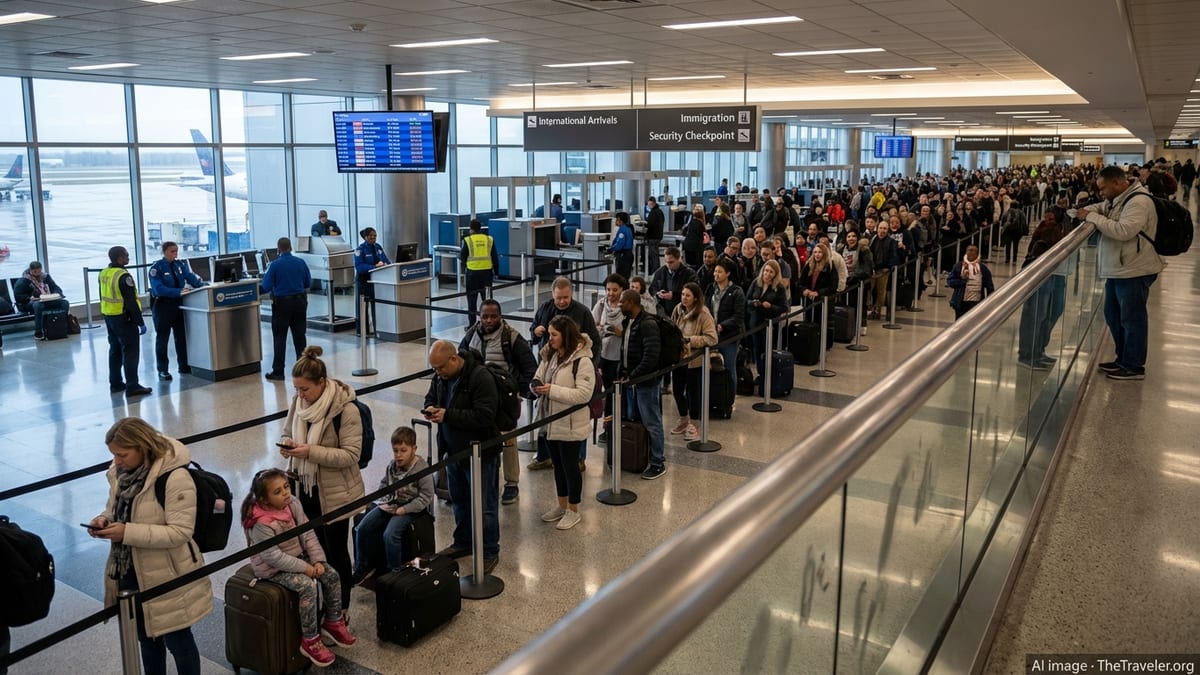
Social media posts and travel-forum reports from affected passengers describe long queues at check in, security and passport control at several major European gateways during the disruption period. Some travelers cited challenges linked to border-processing technology and summer staffing levels, which added to the overall strain on airport operations.
Accounts from Paris, Amsterdam and London highlighted a familiar pattern for peak-season disruption: early morning delays that compounded throughout the day, causing later flights to depart well behind schedule. In transfer hubs, passengers on tight connections were among the hardest hit, with missed onward services leading to unplanned hotel stays or extended layovers in crowded terminals.
While many airlines activated standard disruption protocols such as meal vouchers and rebooking onto alternative flights, the sheer number of delayed services limited the availability of spare seats on the same day. Travelers reported that some rebookings pushed them to flights the following day, especially on heavily traveled holiday routes.
Advice For Passengers Traveling Through Europe
Given the persistence of weather volatility, infrastructure works and capacity constraints across European aviation, industry guidance continues to emphasize advance preparation for passengers flying through major hubs like Paris, Amsterdam, Frankfurt, London and Madrid. Public information from network managers and airport operators suggests that early morning departures generally offer a better chance of operating on time, before delays accumulate.
Travel experts also recommend allowing longer connection times at busy hubs, particularly during the peak summer period when traffic levels are highest. Booking itineraries with generous layovers can reduce the risk of missed onward flights if the first leg is delayed.
Passengers are further encouraged to monitor flight status closely through airline apps and airport information screens, and to keep essential items such as medication, documents and a change of clothes in carry on bags in case checked luggage is delayed. While the figure of 199 cancellations and 2,227 delays underscores the scale of the latest disruption, recent performance reports indicate that such days, though impactful, remain outliers against a backdrop of generally improving punctuality compared with earlier years of heavy disruption.