


More news on this day
Las Vegas has been named the happiest travel destination in the United States in a recent international study by Irish travel insurance company JustCover, strengthening the desert city’s bid to redefine itself as a place where visitor satisfaction matters as much as spectacle.
Get the latest news straight to your inbox!
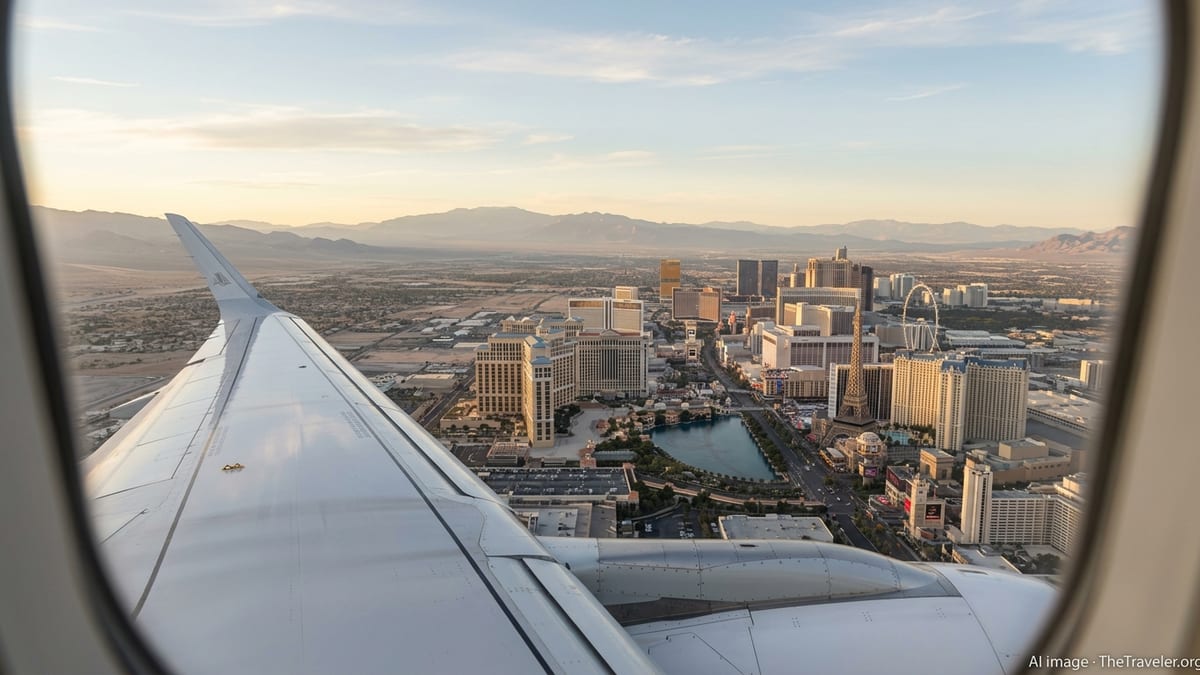
Global Study Puts Las Vegas at the Top for Traveler Happiness
The JustCover analysis examined major leisure destinations worldwide and assessed how positively travelers describe their trips, focusing on emotional language around joy, fun and relaxation in publicly available reviews and social content. In that ranking, Las Vegas emerged as the happiest travel destination in the United States and one of the top destinations globally, edging out several traditional beach and theme park competitors.
The finding reflects a broader shift in how travel success is being measured. Instead of concentrating only on visitor numbers or hotel occupancy, the study highlighted destinations where visitors report strong emotional payoffs from their trips. Las Vegas, long known for gaming and nightlife, scored highly on language associated with excitement, entertainment and shared experiences, suggesting the city’s diversified offerings are resonating with today’s travelers.
Reports indicate that the recognition has quickly circulated through tourism and hospitality circles, where Las Vegas is frequently cited as a barometer of broader travel trends. Industry coverage notes that a growing share of visitors now frame their trips in terms of memory-making and mood rather than purely budgets and bucket lists, a framing that appears to favor destinations with dense entertainment districts and year-round programming.
While JustCover’s methodology has not been formally adopted as an industry benchmark, its focus on emotional outcomes aligns with how many destinations now track success. In that context, Las Vegas’s new label as America’s happiest destination adds a high-profile marketing hook to a data-backed story about visitor satisfaction.
Visitor Surveys Show Surging Satisfaction Despite Fewer Tourists
The happiness title lands at a time when detailed survey work shows Las Vegas visitors reporting unusually high satisfaction levels. The Las Vegas Convention and Visitors Authority’s 2025 Visitor Profile Study found that nearly nine in ten travelers described themselves as very satisfied with their stay, and a large majority said their trip met or exceeded expectations.
Industry summaries of the 2025 report indicate that about 60 percent of visitors felt Las Vegas exceeded what they anticipated, and more than nine in ten first-time guests said they were likely to return. Separate coverage of the data highlights that roughly eight in ten respondents would actively recommend the destination to friends or family, a strong indicator of perceived value and emotional payoff.
These upbeat satisfaction scores contrast with a more subdued picture on raw visitation. Executive summaries of Southern Nevada tourism indicators for 2025 show total visitor volume slipping compared with the prior year, reflecting a broader cooling in discretionary travel and continuing sensitivity to trip costs. Analysts have pointed out that declines are concentrated among budget-conscious travelers, while higher-spending segments remain resilient.
Even with softer visitor counts, spending patterns and sentiment suggest those who do come are leaning into experiences. Reports drawing on the Visitor Profile Study note that travelers increasingly prioritize shows, attractions, sports events and dining, signaling that the city’s investment in non-gaming amenities is paying off in perceived happiness and trip quality.
Beyond the Strip: Experiences Driving the Happiness Factor
Behind the statistics, Las Vegas has been broadening the mix of activities that shape how travelers feel about their stay. Over the past several years, the city has added major league sports, immersive entertainment venues, large-scale art installations and chef-driven dining districts to its traditional formula of casinos and nightlife, creating what tourism analysts describe as a layered experience portfolio.
Publicly available reports on recreation-focused rankings illustrate that shift. A recent WalletHub study placed Las Vegas at the top of its list of best U.S. cities for recreation, citing the breadth of attractions, parks, sports facilities, restaurants and entertainment options. Other rankings of food destinations, summer travel hotspots and holiday celebrations likewise feature Las Vegas prominently, underscoring the variety of ways visitors can structure a trip.
Industry commentary suggests that this variety is crucial to the city’s happiness performance. Families may split days between pools, family-friendly attractions and nearby outdoor excursions, while adult travelers can combine concerts, sports, dining and gaming in a single weekend. The concentration of options within a compact resort corridor allows visitors to curate trips that feel highly personalized without extensive planning.
Travel behavior data further indicates that many visitors now book around specific experiences rather than generic getaways. High-profile residencies, special events, sports championships and culinary festivals create short booking windows tied to anticipation and excitement, elements closely associated with happiness in travel research. Las Vegas’s ability to stage such moments at scale positions it well in studies that measure emotional outcomes.
Managing Costs and Perceptions in a High-Expectation Market
The city’s happiness crown comes despite persistent concern about affordability. Visitor research and local coverage over the past two years frequently reference complaints about rising prices, resort fees and higher gaming budgets, with some potential travelers sharing on social platforms that they feel priced out of certain experiences.
However, more recent surveys suggest perceptions are slowly improving. A 2026 value-perception poll of several hundred recent visitors found that roughly three in four respondents now view Las Vegas as delivering acceptable or good value for money, an uptick from the more negative assessments recorded during the sharp post-pandemic price run-up. Observers attribute the shift to a combination of targeted discounts, midweek offers and bundled experiences that help visitors better predict total trip costs.
Tourism analysts caution that maintaining the “happiest destination” narrative will require balancing spectacle with accessibility. With visitation still below some pre-peak benchmarks, there is pressure to keep room rates and ancillary fees from undermining the emotional upside that current visitors report. Industry commentary notes that if travelers feel they are constantly watching their wallets, the sense of carefree enjoyment that drives happiness rankings could erode.
For now, though, the data suggests that Las Vegas’s strategy of courting higher-value visitors who are willing to spend on curated experiences is sustaining both satisfaction and spending. Trip budgets remain elevated by historical standards, and guests who do arrive appear prepared to prioritize activities that have the greatest impact on how they remember their stay.
Happiness as a Competitive Edge in U.S. Travel
Las Vegas’s new status as America’s happiest travel destination highlights how emotional metrics are reshaping competition among U.S. cities. While traditional leaders such as New York, Orlando and coastal resort areas continue to dominate in overall visitor volume, rankings built around traveler mood and satisfaction are giving inland and desert destinations new ways to stand out.
Destination marketing experts point out that travelers increasingly search for reassurance that a trip will “feel worth it,” especially in an era of fluctuating airfares and heightened cost-of-living pressures. Cities that can credibly point to independent happiness and satisfaction studies, along with strong recommendation rates, may have an advantage when travelers are choosing between similarly priced options.
For Las Vegas, the recognition adds to an expanding list of superlatives in recreation, events and seasonal travel. It also offers a counterpoint to narratives that focus solely on pricing or crowding, presenting the city instead as a place where visitors overwhelmingly report having a good time. As new attractions, sports events and hospitality projects come online over the next few years, observers will be watching to see whether the city can maintain the upbeat sentiment that powered its latest title.
Whether the happiness label proves fleeting or enduring, it underscores the degree to which Las Vegas has evolved beyond its old image. By pairing its signature neon and nightlife with a wide spectrum of experiences and amenities, the desert city has positioned itself not just as a spectacle to be seen, but as a mood to be felt, one that current data suggests many travelers are eager to pursue.