


More news on this day
Travellers shuttling between India and the United Arab Emirates in the run-up to India’s Independence Day are being urged to build in extra time, monitor airline advisories closely and prepare for tighter airport security as regional tensions and peak holiday demand converge in August.
Get the latest news straight to your inbox!
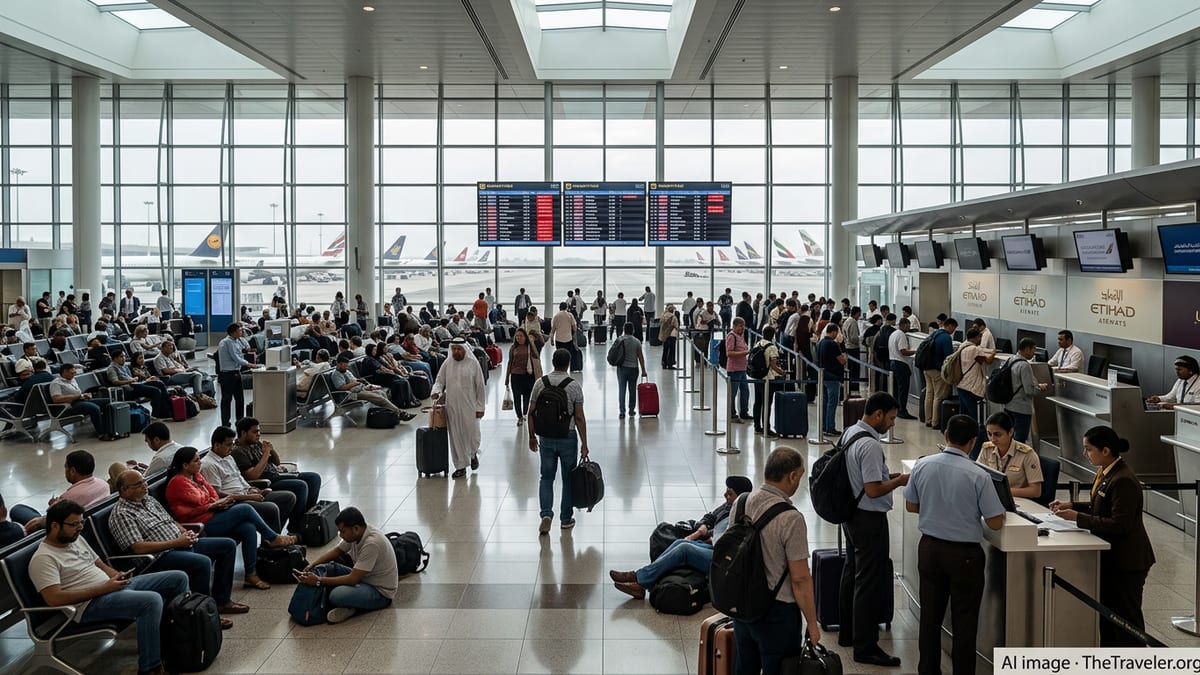
Heightened Airport Security Across Indian Gateways
In the weeks surrounding 15 August, security protocols at Indian airports traditionally tighten, particularly at major hubs such as Delhi, Mumbai, Bengaluru, Chennai and Kolkata. Recent Independence Day periods have seen aviation security authorities direct airports to step up screening of passengers, baggage and vehicles, with a focus on crowd control and perimeter protection.
Published coverage over the past year highlights how this translates on the ground: more patrols in terminal and forecourt areas, additional random checks at entry gates, and secondary screening of cabin bags near boarding gates on selected flights. Travellers have reported multiple layers of document verification, extra use of handheld metal detectors, and longer queues at both security and boarding.
Security responsibilities at commercial airports rest with specialist units, and publicly available information shows these units routinely scale up deployments ahead of major national events such as Independence Day. This creates a visible security presence that may feel intense for infrequent flyers but is treated as standard practice in a high-alert period.
For passengers, the practical impact is increased processing time at almost every touchpoint from terminal entry to boarding. Even where flight schedules remain intact, bottlenecks at security lanes and document checks can cause travellers who arrive late to miss departures, especially at busy metro airports.
Longer Queues, Earlier Check-ins and Possible Delays
Airport advisories in recent Independence Day seasons have consistently recommended that domestic passengers arrive at least three hours before departure and international passengers even earlier during mid-August peaks. Recent passenger advisories from large South Indian hubs pointed to Independence Day weekends and associated public holidays as periods of exceptional demand, warning of congestion at check-in, baggage drop and security.
Experience from the 2025 holiday window showed that extra screening, coupled with heavy leisure and family travel, can result in snaking queues long before dawn and late into the night. Reports from metro airports indicated that passengers unfamiliar with digital check-in or carrying excess baggage were particularly prone to delays, increasing overall wait times for others in line.
Publicly available guidance suggests that travellers flying to or from India around 15 August should complete web check-in where possible, pay attention to airline messages about revised reporting times, and keep boarding passes and identification easily accessible for repeated checks. Carry-on bags packed neatly, with electronics and power banks easy to remove, can also speed up individual screenings and reduce friction at checkpoints.
Even when flights depart broadly on schedule, ground congestion can produce a perception of disruption. Travellers are therefore advised to treat airline on-time performance and airport processing times as separate considerations when planning connections, especially if combining domestic and international legs on different tickets.
UAE–India Routes Under Capacity and Regulatory Pressures
Traffic between the UAE and India is among the busiest international corridors globally, driven by a large Indian expatriate population and strong tourism and business links. In recent months, however, public discussion in both countries has highlighted constraints on the number of flights and seats permitted under existing bilateral air service arrangements.
Indian diaspora forums and travel industry commentary in early 2026 pointed to tight capacity on certain routes, with some segments reportedly limited to a small number of daily flights under current bilateral quotas. When combined with seasonal surges around school holidays, religious festivals and national days, these constraints can push up fares and reduce flexibility for last-minute changes.
Travelers planning Independence Day trips between Indian cities and UAE hubs such as Dubai, Abu Dhabi and Sharjah may therefore face full flights well in advance of departure and limited options to rebook if plans change. Some passengers posting on public forums have described being locked into non-refundable tickets on heavily booked services, with few alternatives available on nearby dates.
In this context, experts commonly advise that travellers secure seats early for mid-August journeys, consider alternative Indian gateways with available capacity, and allow significant buffer time if connecting onwards to Europe, North America or Southeast Asia through UAE hubs during the Independence Day period.
Regional Security Climate and Recent Advisories
Beyond routine Independence Day precautions, the wider regional security backdrop has influenced travel between India and the UAE through 2025 and 2026. Heightened tensions in parts of West Asia have prompted several countries to reassess flight paths, overflight permissions and airport security postures, occasionally resulting in rerouting, lengthened flight times or schedule adjustments.
Publicly available advisories from Indian diplomatic missions in the Gulf in early 2026 underscore the emphasis on situational awareness for Indian nationals, including those transiting through UAE airports on their way to or from India. These communications have encouraged travellers to stay informed about airline updates, observe local security instructions and register contact details with consular services where appropriate.
For Independence Day travellers, this means being alert to two interacting layers of risk: the routine tightening of aviation and urban security around 15 August, and any additional precautions arising from regional geopolitical developments. While most journeys proceed without incident, occasional short-notice changes to airport procedures or flight routings cannot be ruled out.
Passengers are therefore advised to keep airline apps and notifications enabled, check flight status regularly in the 24 hours before departure, and monitor trusted news outlets for reports of any emerging disruptions affecting major hubs in India or the UAE.
Practical Guidance for India–UAE Independence Day Travel
With security measures intensifying and demand peaking, travel planners recommend a cautious approach for journeys scheduled between early and mid-August. For flights originating in India, many frequent travellers now treat three hours as a minimum reporting time for domestic legs and four hours or more for international departures during the Independence Day window, particularly at the largest metro airports.
From the UAE side, passengers heading to India often face busy check-in counters for multiple Indian destinations departing within a short time frame. Families traveling together, passengers carrying substantial baggage and those needing special assistance are encouraged to speak with airlines early and arrive well ahead of cut-off times to avoid last-minute stress.
Independent of security and capacity issues, weather can also become a factor, as August coincides with the monsoon season across large parts of India. Heavy rain and low visibility have previously contributed to delays and diversions at coastal and interior airports, occasionally cascading into knock-on disruptions for connecting services to the UAE.
Taken together, these factors suggest that travellers between India and the UAE ahead of Independence Day should prioritise flexible itineraries where possible, allow generous buffers for connections, and be prepared for more intensive security screening at both ends of the route. Those who build in extra time, keep documentation in order and stay alert to airline and airport advisories are likely to navigate the busy period with reduced disruption.