


More news on this day
SpiceJet faced fresh disruption at Delhi’s Indira Gandhi International Airport (IGI) on Saturday, September 19, 2026, as multiple departures were delayed and some passengers reported extended waits at check-in and gates, adding to a week of heightened scrutiny after long delays on the airline’s Delhi–Dubai services.
Get the latest news straight to your inbox!
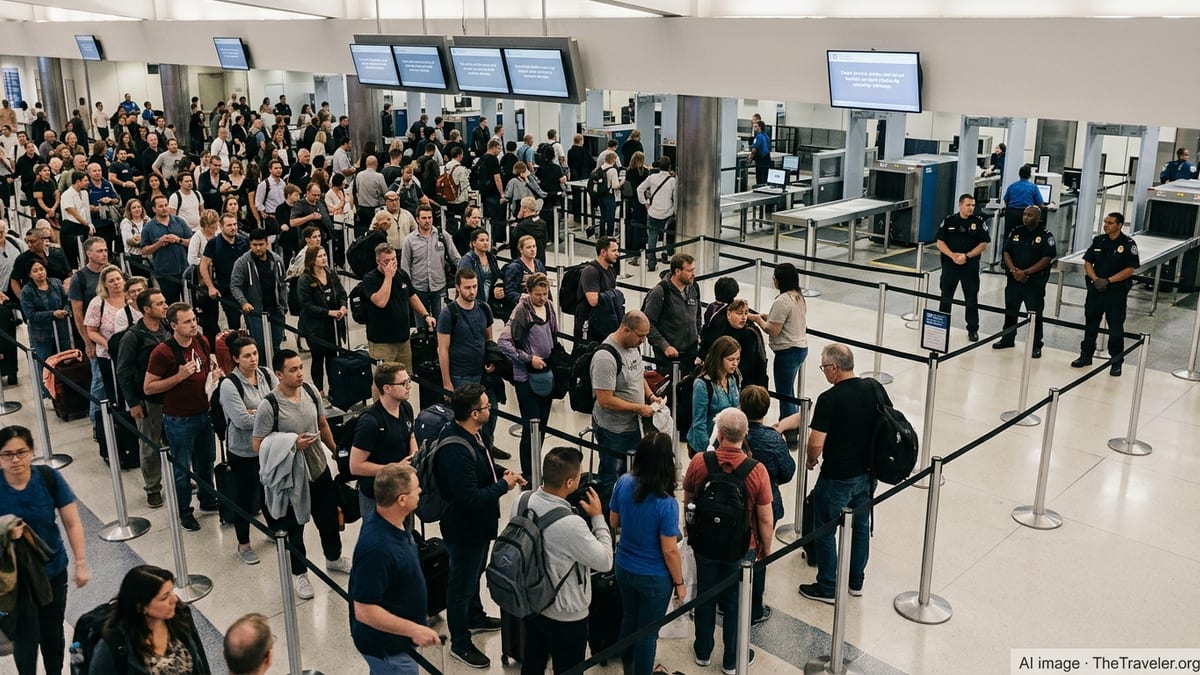
What happened at IGI on September 19
Published coverage on September 19 described a cluster of SpiceJet delays affecting domestic routes from Delhi, including services to Leh and Jammu. Reports linked the disruption to operational reasons and, in some accounts, a breakdown in normal early-morning check-in processing that left travelers waiting inside the terminal for updates.
Some flights reportedly departed several hours late after schedules slipped through the morning. Airport messaging referenced operational disruptions impacting certain SpiceJet services and directed passengers to airline counters and on-ground teams for the latest information, according to coverage from Indian outlets following developments at IGI.
The scale of the disruption was widely described as significant, with several reports estimating that more than 500 passengers were affected across delayed flights. While airports regularly manage weather and air traffic constraints, this episode was largely portrayed as airline-specific, with attention focused on SpiceJet’s ability to recover its schedule quickly once delays cascaded.
Long Delhi–Dubai delays earlier this week set the context
Saturday’s disruption arrived only days after passengers on SpiceJet’s Delhi–Dubai flights reported extreme delays and staged protests at the airport. Coverage this week identified multiple services on the route and described delays stretching well beyond typical operational buffers, including reports of waits approaching or exceeding a full day.
Accounts in Indian news reports indicated that the Dubai-bound delays were tied to the grounding of an aircraft, with the airline attributing the disruption to operational reasons after that event. The earlier incident amplified passenger frustration, and the combination of international and domestic disruptions in the same week intensified questions from travelers about schedule reliability.
For IGI, one of India’s busiest hubs, extended delays on a single carrier can create knock-on congestion, especially during peak departure banks when check-in areas and gate seating are already under pressure. Even when other airlines operate normally, a large group of stranded passengers can strain terminal space, customer-service counters, and rebooking capacity.
Operational pressure points: aircraft availability, staffing, and terminal logistics
In the September 19 reports, the immediate trigger was described as operational disruption, with some coverage pointing to check-in process failures during the early hours. When staffing gaps or processing issues occur before dawn, backlogs can build quickly, compressing the time available for security screening and boarding and increasing the chance that an on-time departure becomes impossible.
Separately, this week’s Delhi–Dubai delays were linked in reports to an aircraft being grounded, a scenario that can force an airline to reshuffle rotations across multiple routes. If spare aircraft are limited, a single technical or maintenance event can ripple across the day’s network, pushing later flights into lengthy delays or cancellations.
At Delhi, terminal logistics can add complexity for passengers, particularly when an airline operates from more than one terminal for different flights. SpiceJet has publicly posted information in the past about shifting some domestic operations between Terminal 3 and Terminal 1 in coordination with Delhi International Airport Limited, and travelers often need to confirm their terminal well ahead of departure when disruptions are ongoing.
What disrupted passengers can do: rights, refunds, and documentation
India’s passenger-protection framework is set out in Directorate General of Civil Aviation (DGCA) requirements on facilities for denied boarding, cancellations, and delays, alongside the Passenger Charter published by the Ministry of Civil Aviation. These materials outline baseline obligations such as providing timely information and, in certain situations, assistance like meals, accommodation, or alternate arrangements depending on the circumstances and duration.
For travelers caught in long delays or cancellations, the most practical immediate steps are to confirm the operating flight status through official airline channels and airport displays, request written delay or cancellation documentation where available, and keep records of rebooking offers and expenses. Documentation is often essential if a dispute later arises over whether the disruption qualifies for specific assistance under airline policy or DGCA-aligned procedures.
Refund timelines and processes have also been under the spotlight in India, with updated rules notified in 2026 around airline ticket refunds. For passengers who decide not to travel, clarity on whether the booking was canceled by the airline or voluntarily canceled by the passenger can affect the refund pathway, so travelers typically benefit from preserving screenshots or messages showing schedule changes.
What to watch next for travelers flying SpiceJet from Delhi
For near-term travel, the key consideration is whether the airline can stabilize aircraft rotations and staffing so delays do not cascade across multiple departures. Travelers booked on early-morning flights often have less slack in the system, so monitoring check-in opening times, terminal assignments, and real-time departure updates becomes especially important after a disruption-heavy week.
Passengers with tight connections, time-sensitive trips, or onward international flights may also want to evaluate buffer time in Delhi and consider flexible rebooking options if available under their fare rules. Where alternative carriers are an option, comparing same-day seat availability can be useful if delays extend and the priority becomes arriving by a certain time rather than staying on a specific flight number.
With multiple reports in mid-September pointing to repeated operational issues at IGI, the situation has become a high-visibility test of how quickly SpiceJet can restore predictability for travelers, and how effectively airport teams can manage crowding and customer-service pressure when one carrier’s schedule falters.