


More news on this day
Passengers booked on SpiceJet flights from Kochi to Fujairah and Dubai have faced days of disruption as repeated cancellations and long delays left Gulf-bound travelers stranded at Cochin International Airport.
Get the latest news straight to your inbox!
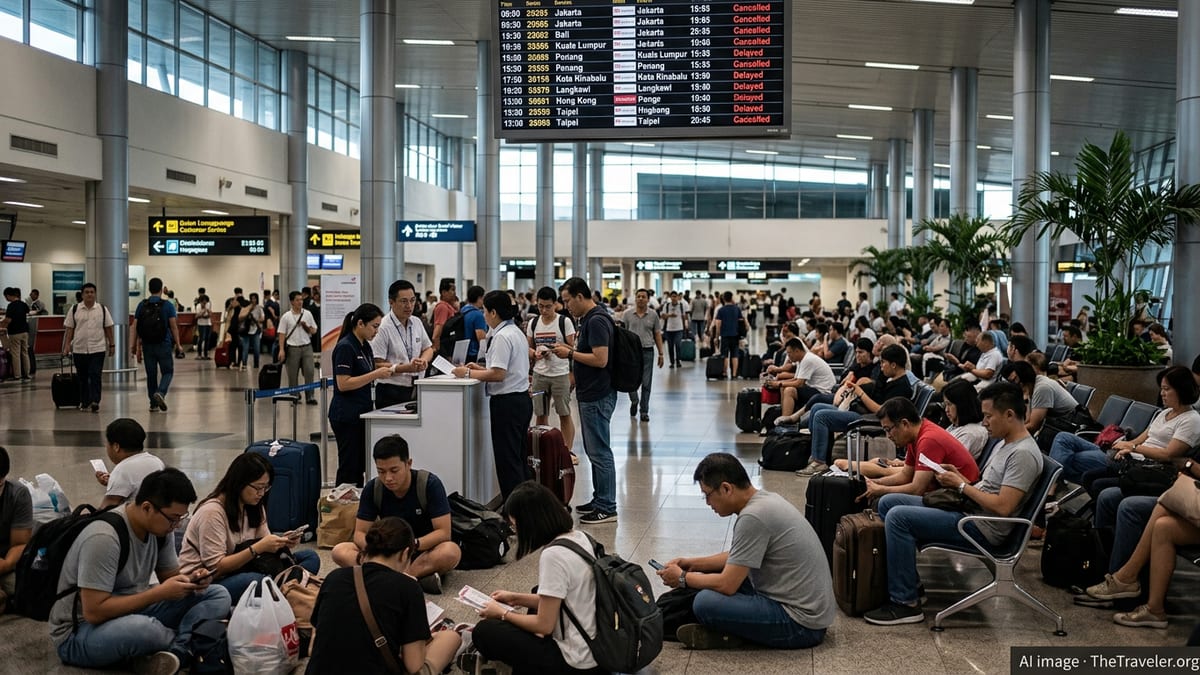
Days of disruption on Kochi–Fujairah and Dubai routes
Recent coverage from local media in Kerala indicates that SpiceJet’s services from Kochi to Fujairah and Dubai have been repeatedly affected by cancellations and extended delays through late August 2026, leaving many passengers unable to reach work or family commitments in the United Arab Emirates. Reports describe stranded travelers waiting for hours at the terminal after learning of cancellations only upon arrival at the airport.
On several days, the Kochi–Fujairah flight was first rescheduled and then cancelled outright, contributing to mounting frustration among passengers who had already rearranged plans around earlier disruptions. Malayalam-language outlets report that the Fujairah service on multiple dates in the second half of August was either cancelled or delayed by up to 10 or 11 hours, with travelers citing missed connections and added accommodation costs in both India and the UAE.
Separate coverage details major delays affecting the Kochi–Dubai service during the same period. One Dubai-bound flight scheduled to arrive in Kochi on a Sunday night in late August was reported to be over three hours late, while the onward Fujairah departure from Kochi the next day was ultimately cancelled, further compounding the backlog of passengers seeking seats out of Kerala.
Flight schedule aggregators currently list SpiceJet as the only carrier operating non-stop Kochi–Fujairah services, with a limited schedule of several flights per week. This leaves affected travelers with few same-day alternatives when a flight is cancelled or heavily delayed, especially during peak demand periods for Gulf-bound workers.
Passenger protests at Kochi airport
The disruptions have sparked visible protests at Cochin International Airport, commonly known as Nedumbassery, as crowds of passengers gathered near SpiceJet counters to demand clarity on revised timings and rebooking options. Video and photographic evidence published by regional news outlets show travelers seated on the floor with luggage, some displaying handwritten placards complaining of repeated cancellations.
Reports describe passengers alleging last-minute notifications, with some claiming they were informed of cancellations only at the check-in desk after arriving from distant districts of Kerala. Many of those affected are migrant workers relying on short annual leave windows, for whom even a single missed flight can mean lost wages or complications with visa rules in the Gulf.
Coverage of the protests indicates that travelers sought explanations on whether the disruptions were due to operational reasons such as aircraft rotation, crew positioning, or wider network issues. Some reports note that passengers requested either accommodation or confirmed alternate transport when facing overnight delays, reflecting wider awareness of consumer rights under India’s civil aviation regulations.
The scenes at Kochi also echo earlier passenger demonstrations at Kozhikode airport in mid-August, when a SpiceJet flight to Dubai was cancelled and crowds voiced anger over what they described as inadequate prior notice. Together, the incidents have kept SpiceJet’s Gulf operations in Kerala under sustained public scrutiny.
Conflicting narratives over causes of delays
Publicly available information suggests differing explanations over what is driving the spike in delays and cancellations. In one incident earlier in August, SpiceJet was reported as attributing disruption at Kochi to adverse weather. However, subsequent statements from Cochin International Airport Limited, cited in local coverage, have disputed that claim, indicating there were no significant weather constraints at the airport at the relevant time.
Airport officials quoted in that reporting described the delays as linked instead to what are termed “rotational issues,” where late arrival of aircraft from previous sectors and tight turnarounds create a cascading effect across the network. This interpretation aligns with broader commentary around Indian low-cost carriers, where stretched fleets and high aircraft utilization can magnify the impact of any upstream delay.
Industry commentary and regulatory filings available in the public domain have previously highlighted that Indian airlines, including SpiceJet, are expected to comply with the Directorate General of Civil Aviation’s compensation and assistance rules when cancellations or long delays occur within the carrier’s control. These requirements can include offering alternate flights, refunds, meals, and in some cases hotel stays, although implementation in practice often varies and may depend on the stated cause of disruption.
Social media posts and online forums frequented by India–Gulf travelers have, in recent weeks, also pointed to a pattern of late-night schedule changes and overnight rescheduling on certain SpiceJet routes, with users sharing experiences of last-minute text alerts and next-day rebookings. While individual accounts cannot be independently verified in every case, the accumulation of similar complaints has added to concerns about the airline’s operational reliability.
Limited alternatives for Gulf-bound travelers
The Kochi–Fujairah route serves a specific segment of Kerala’s large expatriate community in the northern Emirates, including residents of Fujairah and neighboring emirates who prefer to avoid the longer road journey from Dubai or Sharjah. With SpiceJet currently listed as the sole operator on the direct Kochi–Fujairah sector, travelers facing cancellations often must piece together alternatives via other UAE hubs or nearby Indian airports.
Route data aggregators show only a handful of weekly non-stop Kochi–Fujairah flights, meaning that a single cancelled rotation can disrupt travel plans for several days worth of passengers if rebooking options are limited. Some travelers may opt to fly to Dubai, Sharjah, or other Gulf gateways on competing carriers, then complete the final leg by road, adding time and expense.
For those whose visas, employment obligations, or return-to-work dates are tightly scheduled, shifting to alternate airports at short notice can be difficult. Travelers often need to coordinate with employers and accommodation providers in both countries, and may have limited flexibility to leave Kerala earlier than planned to hedge against possible disruption.
Travel advisors following the situation suggest that passengers on constrained schedules consider building in additional buffer time around high-risk flights, or selecting carriers and routings that offer more daily frequencies, which can make same-day reaccommodation more feasible in the event of disruption.
Growing scrutiny of SpiceJet’s network reliability
The latest incidents come at a time when SpiceJet’s broader operations are already under the spotlight, with publicly available discussion among frequent flyers and aviation enthusiasts focusing on the airline’s reduced active fleet and the knock-on impact on schedule robustness. Online forums have in recent weeks carried numerous posts from travelers recounting extended delays, overnight rescheduling, and last-minute cancellations on a range of domestic and international routes.
Some of this commentary references an ongoing challenge for carriers with smaller active fleets: when aircraft are grounded for maintenance or other reasons, the remaining jets must cover more sectors per day, leaving little margin to absorb unexpected disruptions. If even one aircraft falls behind schedule early in the day, subsequent flights, including those on the Kochi–Fujairah or Kochi–Dubai sectors, may be pushed back repeatedly.
Regulators in India have, in earlier public documents, emphasized that airlines remain responsible for honoring passenger rights regardless of underlying business challenges. As coverage of the Kochi disruptions spreads, consumer advocates are likely to watch closely how compensation and rebooking policies are applied in individual cases.
For now, the scenes at Kochi underscore how thin operational margins on key India–Gulf routes can quickly translate into long hours on terminal floors for ordinary travelers. With no immediate indication of schedule changes on the Kochi–Fujairah route, prospective passengers are paying close attention to advisories, flight-status trackers, and local news updates before they set out for the airport.
Onmanorama: SpiceJet faces passenger protest at Kochi airport
Manorama News: SpiceJet flights cancelled and delayed at Kochi airport