


More news on this day
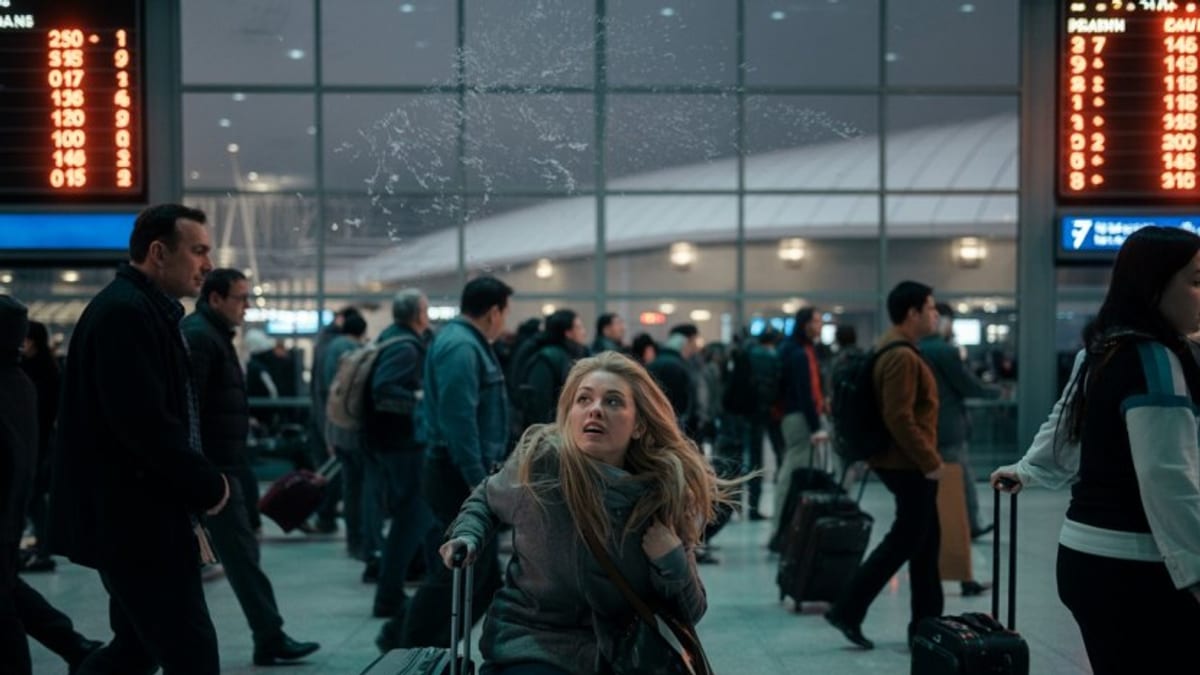
Summer travel headaches intensified across the United States on July 7 as fresh operational disruptions centered on St. Louis Lambert International Airport rippled through major carriers including Southwest Airlines, Delta Air Lines and United Airlines, contributing to at least 56 delayed flights and 13 cancellations on routes touching Chicago, Dallas, Denver and other key domestic hubs, according to flight-tracking data and published aviation reports.
Get the latest news straight to your inbox!
Lambert Disruptions Deepen Summer Strain
Publicly available flight-tracking dashboards and industry coverage for early July indicate that Lambert–St. Louis International has become a recurring pressure point in an already stretched U.S. aviation network. After a difficult operating day on July 6 with dozens of late departures and multiple cancellations, the pattern continued into July 7 with rolling delays building through the morning and afternoon wave of departures.
Data compiled from commercial flight-status tools shows that Lambert’s issues have not been isolated. Several banks of departures on major carriers, including Southwest, Delta and United, logged late pushbacks as aircraft and crews arrived behind schedule from earlier segments. Short-haul routes into and out of St. Louis, particularly those connecting to Midwest and Plains hubs, were among the most affected.
These localized setbacks at Lambert have occurred against a backdrop of elevated summer demand and tight airline schedules. With many carriers operating near capacity, even modest disruptions at a mid-continent airport can quickly ripple outward, straining on-time performance across multiple hubs.
Delays and Cancellations Spread to Chicago, Dallas and Denver
As St. Louis departures slipped, knock-on effects became visible across the broader domestic network, especially at major connecting airports such as Chicago, Dallas and Denver. Flight-status boards at Chicago’s primary airports showed clusters of arrivals and departures listed as delayed, with some routes posting waits of an hour or more as inbound aircraft from St. Louis and other Midwest points missed their scheduled slots.
In Dallas, publicly available airline status pages and airport displays pointed to another difficult operating window, with a mix of weather and congestion compounding the impact of late-arriving aircraft. That pattern aligned with recent reports of more than 100 delays in a single day at Dallas Love Field, underscoring how quickly disruption at one or two nodes can unsettle regional schedules.
Denver, a critical connecting point for transcontinental and mountain-region flying, also absorbed part of the strain. Several services operating between Denver and Midwestern cities, including those routed via St. Louis or Chicago, registered delayed departures as carriers attempted to re-balance aircraft and crews. By late afternoon, the combined total of affected flights tied to the St. Louis-centered disruption reached at least 56 delays and 13 cancellations, according to aggregated tracking snapshots.
Major Carriers Feel the Impact on Key Domestic Routes
Southwest Airlines, which maintains a significant presence at St. Louis and operates dense point-to-point networks through Chicago Midway and Dallas Love Field, featured prominently among the delayed services. Reports show that tight turn times on its 737 fleet left little margin to absorb upstream delays, leading to late departures on popular business and leisure routes.
Delta Air Lines, which links St. Louis to hubs such as Atlanta, Detroit and Minneapolis, also faced operational headwinds. Several regional jet services, often operated by affiliate carriers, showed departure and arrival times sliding as schedules adjusted to late inbound aircraft. These knock-on effects were particularly visible on short-haul routes where even 30 to 60 minutes of delay can disrupt onward connections.
United Airlines, with a network that funnels Midwestern traffic through Chicago O’Hare and Denver, encountered similar pressures. Public performance data for its St. Louis–Chicago services has generally been solid in recent months, yet the current round of disruptions highlighted how quickly reliability can erode when storms, congestion and late aircraft converge across multiple hubs at once.
Weather, Congestion and Network Complexity Drive Cascading Delays
Weather has been a key ingredient in the latest turmoil. Thunderstorms moving through the Great Lakes and central United States over the July 4 holiday period triggered ground stops and flow-control measures at Chicago and other key airports, according to operational bulletins and media coverage. Those constraints reduced the number of takeoffs and landings permitted per hour, setting off a domino effect that continued into subsequent days.
At the same time, congestion within the national airspace system has amplified the impact of each delay. Federal aviation dashboards have repeatedly flagged elevated departure and arrival queues at several large facilities, including Chicago and Denver, as controllers worked to meter traffic safely through constrained air corridors. As a result, flights that did depart on time from secondary airports such as St. Louis often faced airborne holding or reroutes en route to their destinations.
The complexity of modern airline networks further magnified the disruption. A single aircraft might be scheduled to operate three or four segments in a day, touching multiple hubs. When one leg is delayed, the effect can ripple quickly across the subsequent flights, driving up the aggregate count of late arrivals and prompting selective cancellations when schedules can no longer be recovered.
Travelers Face Longer Queues and Shifting Itineraries
For passengers, the operational strain translated into longer waits at gates, tighter or missed connections and a spike in rebooking activity. Airport departure boards at St. Louis and the affected hubs showed waves of “delayed” tags during peak departure periods, while airline mobile apps frequently updated with revised departure and arrival times.
Travel advisories published by carriers urged customers to check their flight status before heading to the airport and, where eligible, to take advantage of fee-waived itinerary changes on heavily disrupted routes. Some airlines also directed passengers to alternative connecting points to bypass the most congested hubs, though reduced spare capacity across the system limited the options for same-day rerouting.
With the peak summer travel season approaching its busiest stretch, operational data and recent experience suggest that similar episodes of disruption may recur when weather, staffing constraints and high load factors intersect. For now, the latest turbulence centered on St. Louis serves as another reminder of how interdependent the U.S. aviation network has become, and how quickly localized trouble can cascade into nationwide travel headaches.