


More news on this day
Regional rail passengers in western Germany are set for a more comfortable ride as Stadler undertakes a comprehensive modernisation of seven FLIRT multiple units destined for the RE34 Dortmund–Siegen route.
Get the latest news straight to your inbox!
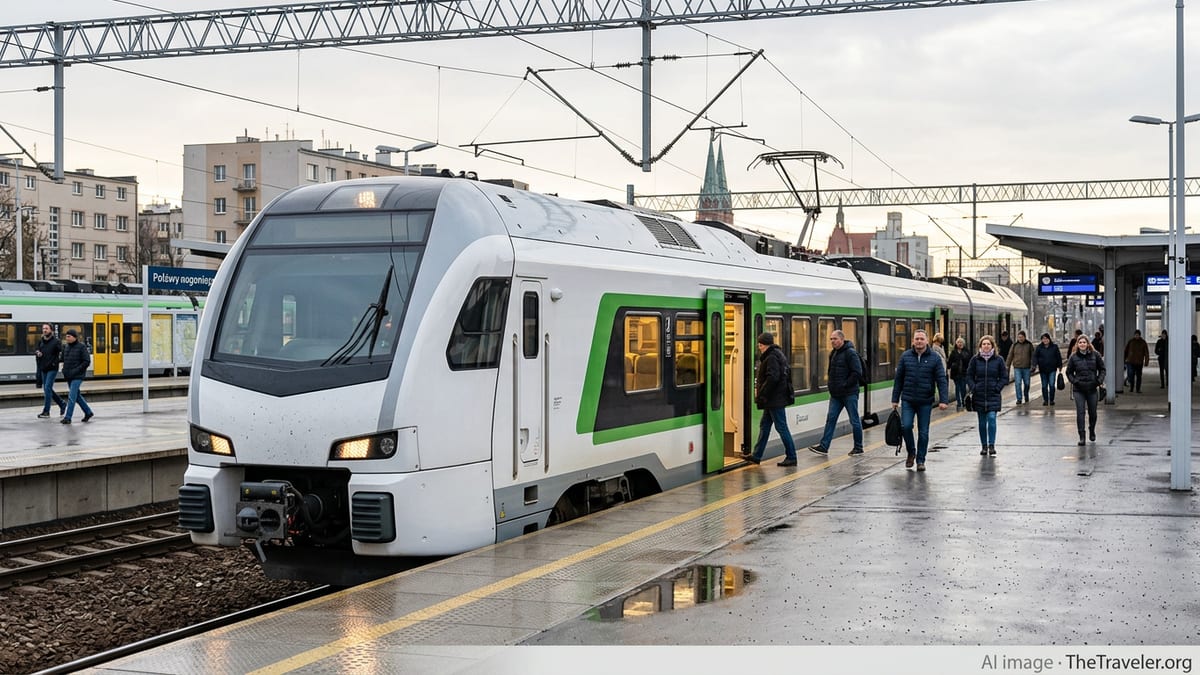
Modernisation deal targets RE34 Dortmund–Siegen corridor
Publicly available information indicates that Swiss-based rail manufacturer Stadler has secured a contract from the German BeNEX Group to overhaul seven FLIRT electric multiple units currently operating for regional operator nordbahn. The refurbished trains are scheduled to transfer to WestfalenBahn for use on Regionalexpress line RE34, which links Dortmund with the Siegerland region.
Reports indicate that the FLIRT units date from 2014 and will undergo a life-extension and comfort upgrade before entering regular passenger service on the RE34. The move aligns with broader efforts across Germany to refresh regional rolling stock while avoiding the cost and environmental impact of acquiring entirely new trains.
According to published coverage, the upgraded trains are expected to be ready in time for a timetable change in December 2026, when WestfalenBahn is due to assume full responsibility for RE34 operations. Until then, transitional rolling stock arrangements are in place on the Dortmund–Siegen corridor, reflecting wider changes in the regional express network serving North Rhine-Westphalia.
The decision to modernise existing FLIRT vehicles rather than procure new ones underlines the flexibility of Stadler’s modular train platform, which is already widely used in Germany for regional and suburban services. It also allows the future RE34 fleet to be tailored specifically to current passenger expectations and regulatory requirements.
Upgrades focus on passenger comfort and onboard technology
Details released by Stadler and trade media describe a wide-ranging interior refit for the seven four-car FLIRT 3 sets. The trains are set to receive new or refurbished seating, updated interior layouts and improved lighting, creating a brighter and more contemporary passenger environment for commuters and leisure travelers.
The modernisation will also introduce enhanced digital connectivity. Reports indicate that the trains will be equipped with onboard Wi-Fi and additional power and USB sockets, addressing a key expectation of modern rail passengers who increasingly work or stream media while on the move. Information systems are also expected to be updated, supporting clearer passenger information during disruptions and connections.
Accessibility is another focus area. Although the FLIRT design already features low-floor entrances, the refit provides an opportunity to refine interior circulation, wheelchair spaces and multi-purpose areas for strollers and bicycles. For the Dortmund–Siegen corridor, which serves both dense urban areas and rural communities, flexible spaces are particularly important for handling peak-hour crowds and weekend leisure traffic.
The refurbishment work will be carried out at Stadler’s service and maintenance facility in Berlin-Reinickendorf. According to company information, the site specializes in mid-life overhauls and technical upgrades, and the RE34 contract is presented as a reference project demonstrating the capacity to extend vehicle life cycles while significantly raising comfort standards.
Strategic shift for RE34 and the Siegerland region
The RE34, also marketed as the Dortmund–Siegerland-Express, connects the Ruhr metropolis of Dortmund with Siegen and intermediate cities such as Hagen and Iserlohn-area junctions, providing an important inter-regional link for commuters and students. Modernised FLIRT units are expected to improve the line’s attractiveness compared with road travel, particularly during rush hours.
Regional transport authorities have been reshaping express services in western Germany, with new contracts and rolling stock deployments intended to increase reliability and capacity. In this context, bringing refurbished, feature-rich FLIRT trains to the RE34 is seen as part of a broader push to upgrade regional express offerings rather than focusing investment solely on high-speed or long-distance routes.
For the Siegerland region at the southern end of the route, reports highlight that the project is framed as a comfort boost for passengers who have traditionally faced older rolling stock and varying service quality. Air-conditioned interiors, modern information systems and digital connectivity are expected to make regional rail a more competitive option for travel to larger employment hubs in the Ruhr area.
The RE34 upgrade also interacts with ongoing infrastructure improvements elsewhere in central Germany, including modern signalling and interlocking projects that seek to increase reliability and capacity. While these works concern different corridors, they reflect a national effort to reduce delays and raise the standard of everyday regional rail travel.
Lifecycle extension supports cost and climate goals
The decision to refurbish seven existing FLIRT trains instead of ordering brand-new units fits a wider trend in European rail of extending the useful life of modern multiple units. Industry analyses note that comprehensive mid-life modernisations can deliver a passenger experience comparable to new trains at a lower financial and environmental cost.
By reusing bodyshells and key components while renewing interiors, onboard systems and selected technical equipment, operators and owners can retain the embedded carbon and materials already invested in the fleet. For transport authorities under pressure to decarbonise mobility, such projects provide a way to improve service quality while limiting the need for additional manufacturing and resource extraction.
Stadler has positioned its service division as a partner for this kind of lifecycle management, with the RE34 contract joining other FLIRT upgrade programmes in Europe. Publicly available information indicates that the manufacturer is increasingly promoting refurbishment as a complement to new-build orders, especially in markets where FLIRT fleets have already been in service for a decade or more.
For the BeNEX Group and WestfalenBahn, the modernisation offers a way to align existing assets with current standards for comfort, accessibility and digital connectivity, while supporting regional climate and budget objectives. The project highlights how targeted investment in rolling stock upgrades can quickly translate into a more attractive everyday travel experience for passengers.