


More news on this day
Storm Daniel has unleashed record rainfall across central Greece, flooding cities, cutting vital road and rail links, and causing widespread disruption for visitors during one of the country’s busiest travel periods.
Get the latest news straight to your inbox!
Major Rail and Road Corridors Severed
The heaviest impact from Storm Daniel has been felt in Thessaly and central Greece, where flooding and landslides have severely damaged transport infrastructure. Sections of the main Athens–Thessaloniki motorway were forced to close around Larissa and the Tempe Valley as rising rivers overtopped embankments and submerged carriageways, effectively cutting the road link between the capital and the country’s second‑largest city.
Rail travel has been hit even harder. Publicly available information from the national rail network shows that around 50 kilometers of track and signaling between Domokos and areas south of Larissa were heavily damaged by floodwaters. Washouts, undermined embankments and ruined electrical equipment left long stretches of the Athens–Thessaloniki main line unusable, leading to widespread cancellations and the replacement of some services with buses on surviving segments.
Specialist rail industry coverage indicates that the cost of restoring the damaged rail corridor is estimated in the tens of millions of euros, with work extending beyond the immediate aftermath of the storm. The loss of a continuous north–south rail spine has affected not only passenger journeys but also freight movements to and from the country’s key ports, including Piraeus, limiting options for travelers who rely on trains to connect between flights, ferries and regional destinations.
Even where roads remained open, detours added hours to overland journeys. Motorists traveling between Athens and northern Greece were advised to use alternative motorway routes further west, increasing congestion on secondary corridors and complicating itineraries for visitors heading to popular mountain and coastal regions.
Airports and Island Travel Thrown Into Chaos
Storm Daniel’s extreme rainfall did not spare the islands. On Skiathos in the Sporades, torrents of water turned streets into rivers and swept cars toward the sea, leaving the small airport briefly isolated when access roads and surrounding neighborhoods flooded. According to reports from European travel media, flights were suspended or delayed as aircraft diverted and ground operations paused while crews assessed waterlogged facilities.
Tourists found themselves confined to hotels and guesthouses as local authorities urged people to stay indoors until the worst of the weather passed. With ferry schedules also affected by strong winds and rough seas, many visitors were unable to depart as planned, while incoming travelers saw their trips curtailed or rearranged at short notice.
On the mainland, Volos, a major port city serving the Sporades islands and central Greece, experienced extensive flooding that inundated roads, commercial districts and parts of the waterfront. Disruptions to power and water supplies in the city added further complications for travelers attempting to reach ferries, buses or accommodation. Online travel forums from the period describe visitors waiting out the storm without basic services and re‑routing onward journeys once limited road access was restored.
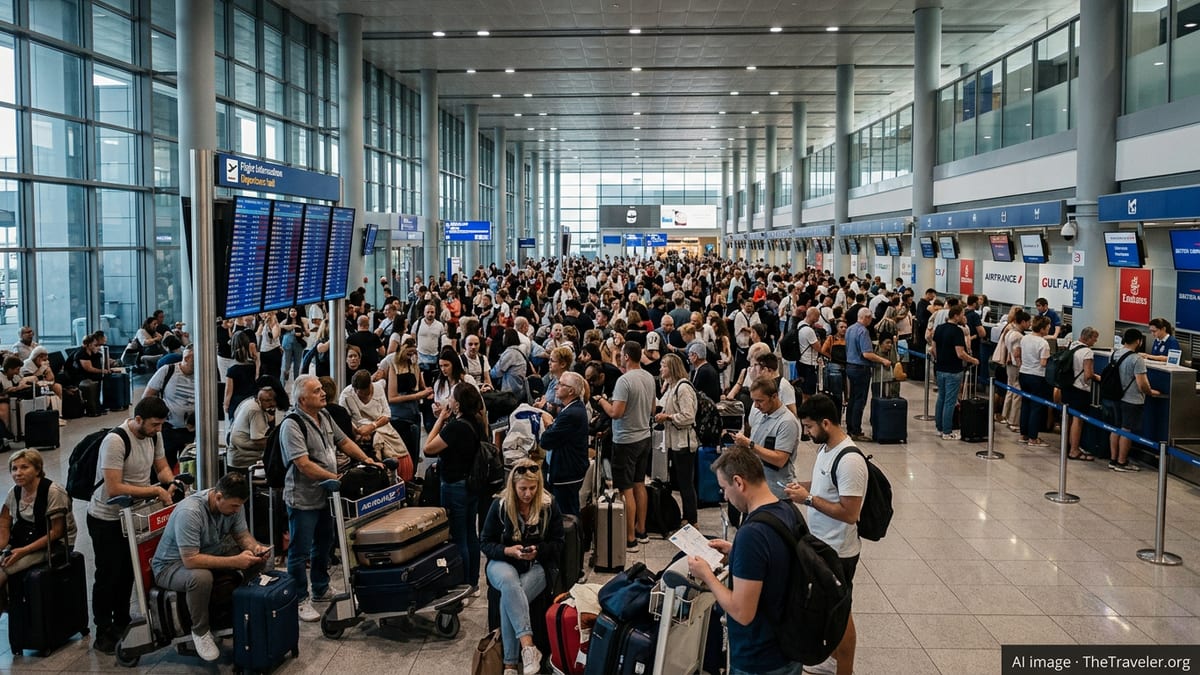
Across the Aegean, aviation schedules remained fluid as airlines adjusted to weather‑related delays, airport closures and crew rotation challenges. While Greece’s main hubs such as Athens International Airport continued operating, the knock‑on effects of diversions and temporary suspensions at smaller airports left many passengers facing missed connections and last‑minute changes to their holiday plans.
Tourism Regions Face Prolonged Disruption
Central Greece’s Thessaly plain, one of the regions most affected by Storm Daniel, is both an agricultural heartland and a gateway for visitors heading to destinations such as Meteora, Pelion and the northern Aegean islands. Satellite analysis published by scientific agencies shows extensive inundation of low‑lying areas, with roads, bridges and villages surrounded by floodwaters for days.
In and around Volos and the Pelion peninsula, where mountain roads cling to steep slopes, landslides and road collapses made access difficult or impossible in the immediate aftermath. Travel advisories highlighted washed‑out sections of highway and local networks, warning that some villages and beach resorts could not be safely reached until inspections and emergency repairs were completed.
Academic assessments of the disaster’s cascading impacts suggest that the combination of flooded roads, damaged rail lines, disrupted ports and prolonged outages of electricity and drinking water has had a sustained effect on tourism‑dependent communities. In towns where hotels, restaurants and small tourism businesses rely on a short peak season, the loss of several weeks of trade and the cost of repairs have added financial strain to the physical damage.
While major resorts on unaffected islands and in other parts of Greece remained open and continued to receive visitors, the images of submerged streets, stranded vehicles and aerial views of vast floodplains contributed to uncertainty among prospective travelers. Travel agents and online platforms reported increased inquiries about safety, insurance coverage and the feasibility of overland itineraries through central Greece.
Safety Guidance and Practical Considerations for Travelers
In the weeks following Storm Daniel, travel advice from embassies, tourism bodies and carriers focused on practical steps for visitors. Prospective travelers were urged to check with airlines, ferry operators, train companies and accommodation providers before departure, as timetables and capacity on certain routes remained subject to change while repairs continued.
Travelers planning rail journeys through central Greece were advised to expect partial closures, replacement bus services and longer travel times on the Athens–Thessaloniki corridor until damaged infrastructure could be fully restored. Those driving were encouraged to monitor local news and official announcements for updates on reopened sections of motorway, bridge inspections and any renewed weather alerts.
For travelers already in affected areas, guidance emphasized flexibility. Adjusting itineraries to focus on regions less impacted by the flooding, allowing extra time between connections, and maintaining direct contact with transport providers were all recommended strategies. Travel insurance policies that include natural‑disaster disruption coverage were highlighted as an important safeguard, particularly for complex itineraries involving multiple flights and ferries.
Looking ahead, climate specialists note that Storm Daniel fits into a pattern of increasingly intense Mediterranean storms, sometimes referred to as medicanes, that can bring extreme rainfall to coastal and island destinations. For visitors to Greece, this has reinforced the importance of planning with weather resilience in mind, from avoiding tight same‑day connections during storm‑prone periods to staying informed about local conditions throughout a trip.