


More news on this day
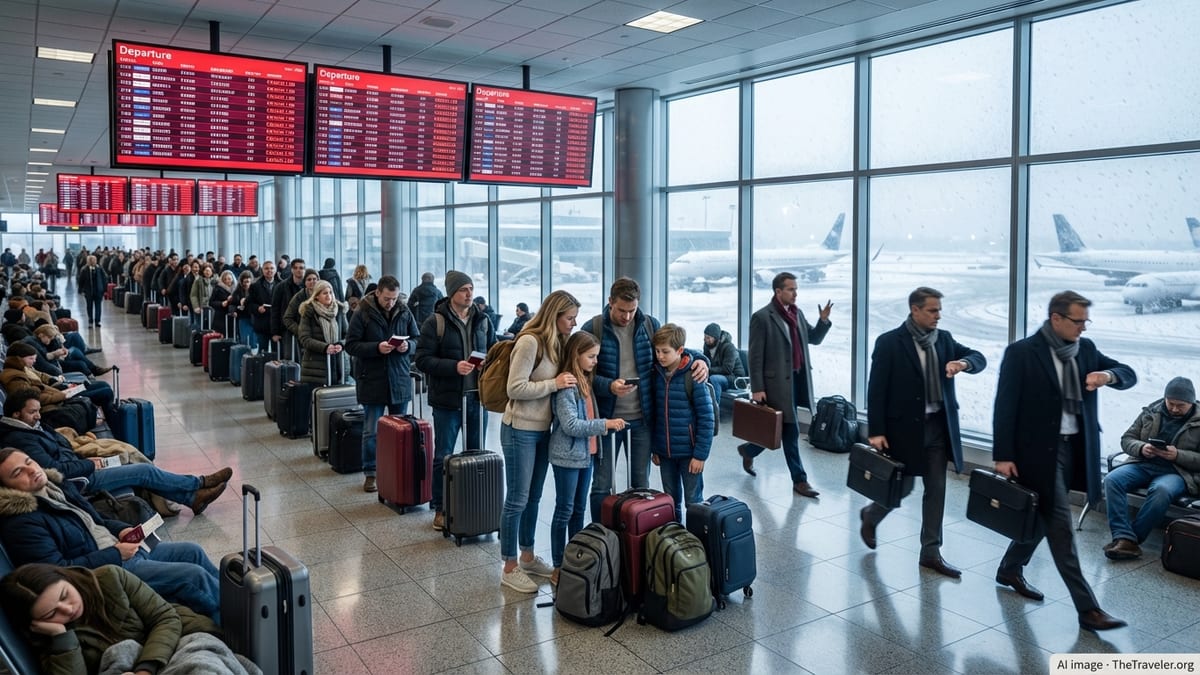
Travelers at Pittsburgh International Airport faced mounting disruption on June 15 as at least 38 flights were delayed and seven canceled across multiple carriers, snarling domestic and international connections and leaving passengers scrambling to rebook their journeys.
Get the latest news straight to your inbox!
Storms and System Strain Ripple Through Pittsburgh Operations
The wave of delays and cancellations at Pittsburgh International Airport on June 15 comes amid a broader pattern of nationwide disruption linked to severe early summer storms and strained airline operations. Publicly available tracking data and airport information indicate that American Airlines, Delta Air Lines, United Airlines, Southwest Airlines, Spirit Airlines, and other carriers all experienced schedule impacts in and out of Pittsburgh.
Reports indicate that fast-moving thunderstorms across parts of the Midwest and Northeast contributed to ground delay programs and traffic management initiatives, affecting aircraft and crew positioning. National flight-tracking services showed hundreds of delays within, into, or out of the United States by early morning on June 15, with Pittsburgh among the airports experiencing knock-on effects from congestion at larger hubs.
The 38 delayed and seven canceled flights at Pittsburgh reflect how quickly local operations can be disrupted when connecting hubs such as Atlanta, Chicago, New York, and Washington see reduced arrival and departure rates. Even short ground holds or reroutes at those hubs can cascade into missed connections, rolling delays, and equipment shortages in a mid-sized market like Pittsburgh.
Weather-related slowdowns have coincided with high summer travel demand, intensifying the impact on travelers. As airlines attempt to operate fuller schedules, there is less slack in the system to recover from disruptions, meaning that an initial burst of storm activity can lead to hours of irregular operations.
Major U.S. Carriers Hit Across Domestic and International Routes
American Airlines, Delta Air Lines, United Airlines, Southwest Airlines, and Spirit Airlines are among the largest operators at Pittsburgh International Airport, and all saw service affected as the day progressed. Flight status boards reflected a mix of late arrivals, protracted departure holds, and outright cancellations touching both short-haul domestic routes and longer connecting services.
According to published aviation data, Pittsburgh is closely tied into major hub networks such as Atlanta for Delta, Chicago and Denver for United, Dallas Fort Worth and Charlotte for American, and large point-to-point networks for Southwest and Spirit. When storms or traffic constraints hit those hubs, feeder flights in and out of Pittsburgh often feel the impact first, especially regional services with tight turn times.
Some of the delayed flights involved high-demand trunk routes linking Pittsburgh with Atlanta, Chicago, New York, and Florida destinations, while other disruptions affected connections to western cities and transiting international passengers. Travelers heading to or from overseas destinations via large coastal hubs found their itineraries particularly vulnerable to missed connections and rebookings as the day’s schedule rolled over.
The pattern at Pittsburgh reflects a broader national picture in which major U.S. airlines have faced frequent bouts of weather, congestion, and occasional technical strain. Even when no single carrier experiences an internal system outage, simultaneous pressure on multiple hubs can slow operations across several brands at once.
Passengers Confront Long Waits, Missed Connections, and Crowded Terminals
The operational disruptions translated into a difficult travel day for many passengers at Pittsburgh International Airport. With dozens of flights experiencing extended delays and several removed from the schedule entirely, travelers reported longer lines at check-in counters and customer service desks, as well as crowded gate areas as departure times were repeatedly pushed back.
Missed connections became a critical issue. Pittsburgh serves as a connecting point for travelers heading between smaller Midwestern and Appalachian communities and major coastal or Sun Belt cities. When an early regional flight into a hub is delayed or canceled, passengers can lose access to same-day onward options, sometimes requiring overnight stays or complex reroutes.
Publicly available consumer guidance notes that in such situations, travelers are often encouraged to monitor flight status via airline apps, sign up for mobile alerts, and explore same-day alternate routings where possible. On days with widespread system congestion, however, options can quickly fill, leaving stranded passengers with limited rebooking choices and extended airport waits.
Families traveling with children, older passengers, and those on tight schedules for cruises, tours, or important events are typically among the hardest hit by irregular operations. Many travelers at Pittsburgh on June 15 faced the added challenge of navigating changing gate assignments while trying to secure scarce seats on later flights.
What the Disruption Reveals About System Vulnerabilities
The cluster of 38 delayed and seven canceled flights at Pittsburgh underscores how sensitive modern air travel remains to external shocks such as storms and airspace constraints. Industry and government data have repeatedly shown that a significant share of U.S. flight delays trace back to weather interactions with already crowded air traffic corridors.
Once departure rates are reduced at one or more major hubs, airlines must make rapid decisions about which flights to prioritize. Longer-haul services and aircraft coming from distant or international origins are often favored for limited arrival slots, while shorter regional flights and lower-demand segments are more likely to be delayed or removed from the schedule. This triage effect can leave airports like Pittsburgh facing an outsized share of cancellations relative to their overall traffic levels.
The situation also highlights ongoing debates about staffing levels, infrastructure resilience, and contingency planning. While investments in technology and airport microgrids can help keep terminals powered and basic services running during severe weather, they do not eliminate the bottlenecks that occur when aircraft, crews, and arrival slots are in the wrong place at the wrong time.
For travelers, the events at Pittsburgh reinforce the importance of building extra time into itineraries where possible, especially when connecting through weather-prone hubs during peak seasons. They also draw renewed attention to federal rules on refunds, passenger rights, and the level of transparency airlines provide when operations go awry.
Options and Rights for Affected Travelers
Consumer resources from aviation regulators and passenger advocacy groups outline several key protections for travelers facing cancellations or significant delays comparable to those seen at Pittsburgh. When a flight is canceled or experiences a substantial schedule change, passengers on U.S. carriers are generally entitled to a refund if they choose not to travel, even if they booked a nonrefundable ticket.
In addition, airlines often implement travel waivers during major disruption events, allowing customers to change their departure dates or routings without standard change fees, subject to fare differences or specific conditions. During periods of elevated storm activity, such waivers can provide a critical safety valve for passengers who have flexibility to postpone or reroute their trips.
Travel experts frequently recommend that passengers maintain direct contact with their airline through mobile apps and call centers, while also exploring rebooking options online. In some cases, rebooking through an airline’s digital channels can be faster than waiting in physical lines at the airport, particularly when terminal customer service counters are overwhelmed.
The June 15 disruptions at Pittsburgh International Airport serve as another reminder that during the height of the summer travel season, even a single day of adverse weather and congestion across major hubs can translate into widespread inconvenience, highlighting both the complexity and fragility of the modern air travel network.