


More news on this day
Travel across North America is facing a fresh wave of disruption as severe spring storms, surging pollen levels and a highly active jet stream combine to slow flights, snarl highways and complicate travel plans from the Southern Plains to the Pacific Northwest.
Get the latest news straight to your inbox!
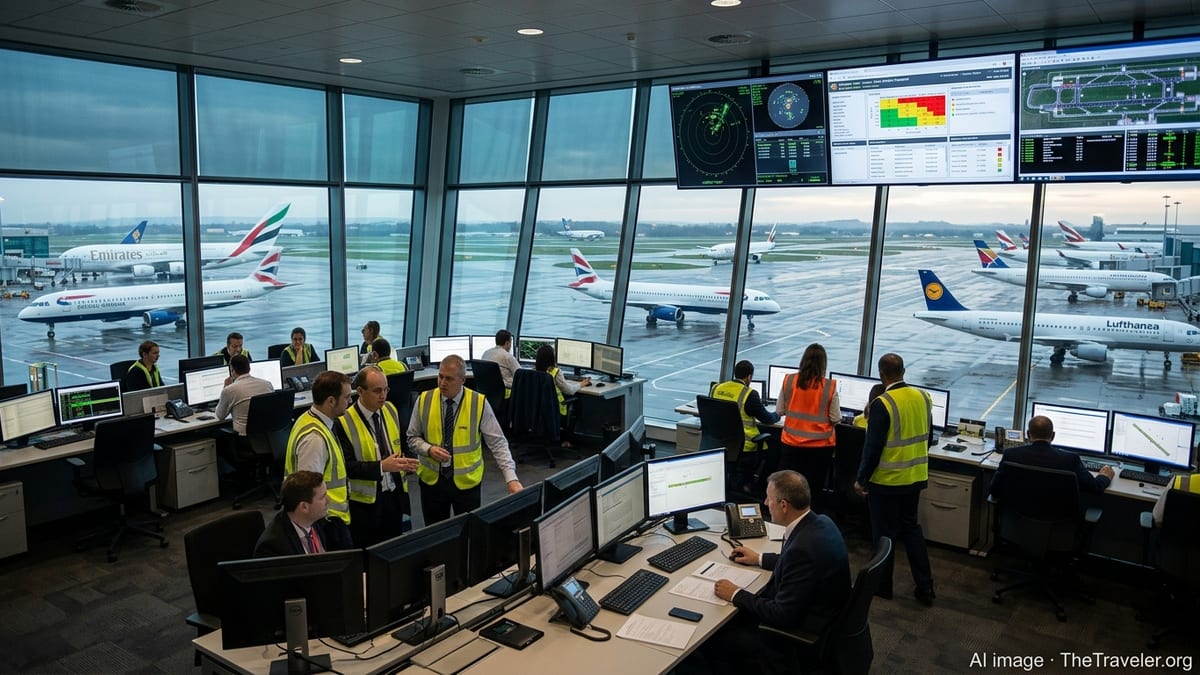
Storm Systems Intensify From Texas to the Great Lakes
Weather forecasts and aviation tracking data indicate that a powerful storm corridor stretching from northern Texas through the central Plains into the Midwest is driving much of the latest disruption. Thunderstorms, high winds and localized flooding are affecting key hubs including Dallas, Oklahoma City and Chicago, with ripple effects across national and transborder routes.
Reports from April 11 to 15 show repeated rounds of severe weather targeting some of the busiest aviation corridors in the United States. Chicago O’Hare and Dallas Fort Worth have both experienced elevated levels of delays and ground holds as convective storms move across approach and departure paths, forcing traffic management programs and, in some cases, temporary ground stops.
Meteorological outlets describe a dynamic pattern in which warm, humid air from the Gulf of Mexico is colliding with cooler air to the north, creating an environment favorable for strong thunderstorms. This setup has kept large swaths of the central United States under a multi day threat for damaging winds, hail and, in some areas, tornadoes, conditions that routinely force airlines and air traffic controllers to reduce flight volumes for safety.
Overnight into April 15, coverage from regional outlets highlighted renewed severe weather concerns for the Chicago area, including a tornado watch and strong wind gusts. Such alerts typically translate into extended taxi times, diversions and missed connections for passengers attempting to move through an already crowded spring travel period.
Major Hubs Struggle With Cascading Flight Delays
The latest wave of travel disruption follows a weekend in which more than 2,000 flights in the United States were delayed or cancelled as storms swept through major hubs. Analytics from aviation service providers show that airports in Chicago, Dallas, Los Angeles and Atlanta ranked among the most affected, with delays spilling into subsequent days as carriers attempted to reposition aircraft and crews.
Fresh disruption has been reported at Dallas Fort Worth International on April 15, where industry coverage points to roughly 186 delayed flights and a cluster of cancellations affecting both domestic and international services. Routes linking Dallas with Los Angeles, Chicago, New York and other large cities have been particularly exposed, underlining how weather challenges at a single hub can quickly spread through the broader network.
Similar patterns have emerged at other major gateways. Recent reports on operations at Chicago O’Hare describe a system working through residual congestion from earlier storms, with more flights being held at gates or on taxiways even when total cancellations remain relatively contained. Combined with the latest severe weather threat near the Great Lakes, that congestion has left many travelers facing missed connections and last minute rebookings.
On the West Coast, Los Angeles and Seattle have experienced a mix of weather related traffic management and knock on effects from delays elsewhere. While conditions there have generally been less severe than in the central United States, published flight status snapshots show longer than typical journey times and schedule changes, particularly on transcontinental and transpacific routes that intersect with turbulent jet stream segments.
Jet Stream Shifts Add Time and Turbulence to Flights
A strongly meandering jet stream is adding another layer of complexity to air travel across North America and beyond. Aviation and weather briefings note that recent jet stream shifts have forced airlines to adjust routings and altitudes, sometimes lengthening flight times on popular long haul and transcontinental services.
Industry research has repeatedly shown that upper level winds are a major driver of delays in the aviation system. When the jet stream amplifies, aircraft can encounter stronger headwinds on east west routes, more turbulence and occasionally reduced access to optimal flight levels. This can prompt dispatchers to schedule extra fuel, alter tracks or accept longer routings, all of which can contribute to schedule slippage even in the absence of thunderstorms at departure or arrival airports.
In the present pattern, transborder flights between the United States, Canada and Mexico are being affected in subtle but widespread ways. Flights that traverse the central corridor of the continent must navigate both convective weather and unfavorable upper level winds, while routes along the West Coast are experiencing pockets of turbulence and time added in order to avoid the roughest air. Travelers are reporting longer gate to gate times and tighter connections at already busy hubs.
Operational data shared in recent infographics on weather and aviation underline how sensitive airline punctuality is to these atmospheric shifts. While individual delays may appear modest, the compound effect across thousands of daily flights rapidly leads to missed connections, aircraft out of position and limited slack in schedules during peak demand periods such as mid April spring travel.
High Pollen and Air Quality Complicate Ground Travel
Beyond thunderstorms and upper level winds, unusually high pollen levels across parts of the southern United States and into Mexico are adding a health and comfort dimension to this week’s travel challenges. Allergy organizations and local reports highlight that tree and grass pollen are in a pronounced upswing across regions including North Texas and the lower Plains.
For many travelers, the impact is immediate but less visible than a flight cancellation. Congestion, itchy eyes and respiratory irritation can make long airport waits and highway drives significantly more difficult, particularly in cities already grappling with traffic disruptions from heavy rain and localized flooding. Publicly available health guidance continues to encourage checking daily pollen forecasts and, where appropriate, using medication or masks to manage symptoms.
In some urban areas, the combination of high pollen, vehicle emissions and stagnant air on calmer days has reduced visibility and contributed to moderate air quality warnings. While these conditions do not typically close roads or airports, they may slow ground operations and can be especially challenging for travelers with asthma or other respiratory conditions who find themselves spending extended periods in queues or crowded terminals.
Reports from across North America suggest that many visitors are trying to adjust by rescheduling nonessential trips, shifting to early morning or late evening travel windows when pollen counts can be lower, or opting for indoor attractions and meetings rather than extended outdoor sightseeing during peak hours.
Canada and Mexico See Knock On Effects Across Their Networks
The travel strain is not limited to the United States. Canadian and Mexican hubs have been absorbing both their own weather challenges and the knock on effects of disruptions south of the border. Earlier in April, an Easter period storm system moving across Canada led to dozens of cancellations and hundreds of delays at major airports including Toronto Pearson, according to regional travel updates.
As US hubs from Dallas to Chicago contend with repeated rounds of storms, airlines operating cross border services have had to juggle aircraft rotations and crew schedules. Delays at large American hubs frequently cascade into late arriving aircraft for departures in Canadian and Mexican cities, compressing turnaround times and raising the risk of further schedule slippage throughout the day.
In Mexico, carriers have been dealing with strong seasonal demand layered on top of weather issues along some northern and Gulf routes. While many coastal resort airports have so far avoided the most severe conditions, connections that rely on US hubs for onward travel to Europe or Asia are vulnerable when storms, jet stream turbulence or congestion slow down the North American network.
Travel analysts note that this convergence of severe storms, pollen related discomfort and jet stream instability underscores the interconnected nature of the continent’s transport infrastructure. Even localized weather events in one country can reverberate quickly through shared aviation corridors, leaving passengers across the US, Canada and Mexico grappling with the same question this week: how to keep moving when the atmosphere refuses to cooperate.